
Pest Control in Bedford: What's Actually Different Here?
Is Bedford pest control actually different?
The verdict on Bedford
something real, and documented
a real but minor factor
pests don't read town lines
Bedford's pests are the same regional set — but newer, less-dense housing moves the real risk from roaches-in-the-walls to ticks-in-the-yard.
The real difference
The specific, sourced local factor that changes the answer here — and what a homeowner should actually do about it.
That Bedford's affluent, wooded neighborhoods have their own distinct pest problems, separate from the rest of the region.
The species here are the same regional set as everywhere else in this hub. What genuinely shifts is the mix: Bedford's housing is newer and far less dense than Manchester's, which weakens the structural rodent and building-wide roach story and leaves woods-edge ticks and wildlife as the bigger factor for most homes.
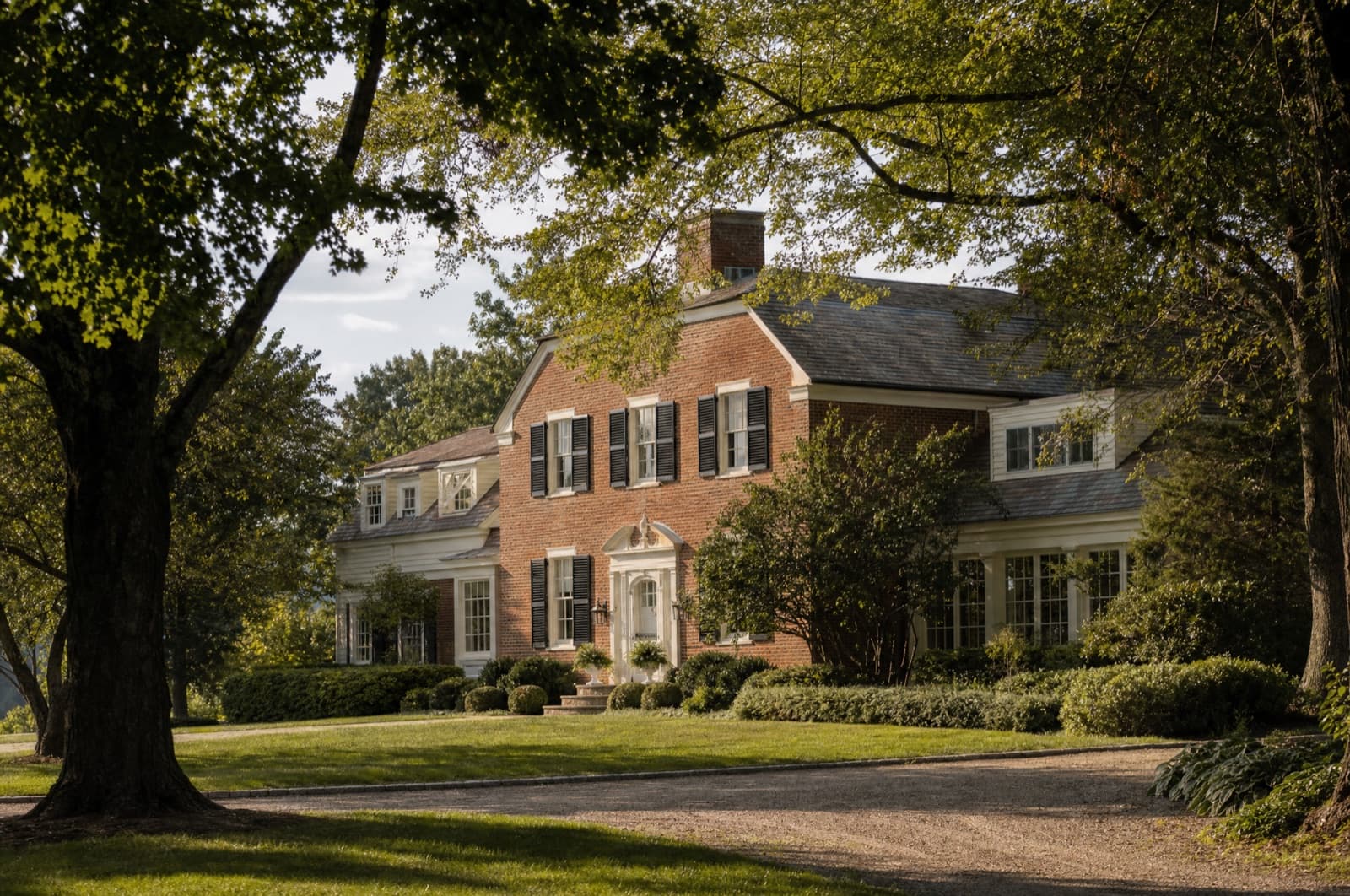
Bedford is a low-density suburb of large-lot, mostly late-20th-century homes — median year built around 1990, with only about 5% of housing units pre-dating 1940 and roughly 83% owner-occupied (US Census/ACS via QuickFacts). That's close to the opposite housing profile from Manchester's mill-era, pre-1940 multifamily core.
A newer, tighter building envelope has far fewer of the gaps and settling cracks that let rodents into an older structure, and there's little of the shared-wall housing that makes German cockroach and bed bug a building-wide problem. What's left as the dominant driver is the region's wooded, large-lot geography: blacklegged ticks, occasional wildlife, and fall invaders moving in off the tree line. The practical shift is from sealing an old envelope to managing the yard and perimeter.
Source: US Census Bureau QuickFacts, Bedford town, Hillsborough County, NH — https://www.census.gov/quickfacts/fact/table/bedfordtownhillsboroughcountynewhampshire/LND110210; UNH Cooperative Extension, Biology and Management of Ticks in New Hampshire
Most of what shapes a home's pest pressure isn't the town line — it's the house and its surroundings:
The honest town profile
Census housing age, density and geography — the fields that genuinely predict pest pressure. Only documented facts appear.
Hillsborough
Median year built approximately 1990; only about 5% of housing units pre-date 1940 and roughly 83% are owner-occupied — close to the inverse of Manchester's mill-era, pre-1940 multifamily core (US Census/ACS via QuickFacts).
Approximately 646 persons per square mile — low relative to the region's cities.
Low-density, large-lot suburban development directly bordering Manchester, with substantial wooded acreage.
Newer, lower-density and more wooded than Manchester predicts weaker structural rodent and roach pressure, and a heavier woods-edge tick and wildlife emphasis. It does not predict a different species list — those are the same regional set found across every town in this hub.
US Census Bureau QuickFacts — Bedford town, Hillsborough County, NH · Bedford Master Plan (2021), blueprintbedfordmasterplan.com
The pests actually here
The real Southern-NH species picture — we name them and link the full profiles rather than re-teach identification, and we correct the ones that don't live here at all.
This is the southern New Hampshire picture, not a Bedford-only one. The one real shift here is emphasis, not species: newer, less-dense housing means less of Manchester's building-wide roach story and more of the region's woods-edge tick risk.
- Blacklegged tickWooded, large-lot geography is the region's primary tick driver, and it's more pronounced here than in denser towns.Related guide
- Carpenter antsThe region's leading wood-destroying pest, present anywhere there's wood-to-ground contact or moisture — not specific to Bedford.Related guide
- Occasional wildlifeWooded lots bordering undeveloped land bring more incidental wildlife activity than a denser neighborhood would.Related guide
- Fall invaders — cluster flies, stink bugs, lady beetlesThey move to sun-warmed walls every autumn across the whole region; wooded lots see more of them, not a different set.Related guide
- House mouseEven a tighter, newer envelope has entry points at utility penetrations and garage thresholds once the weather turns.Related guide
Our service area — including when it's not us
Bedford borders Manchester directly — about 10 to 15 minutes from our Harvey Rd office.
Exterior perimeter treatment, yard and woods-edge tick management, exclusion work at utility penetrations, and the same structural pest services we run across the region.
Service Area Map
Southern New Hampshire
The answer
Why 'newer and wooded' isn't a new pest list
Bedford shows up in search results as if its affluence and wooded lots must mean unique pests. They don't. Every species here — carpenter ants, house mice, blacklegged ticks, the fall invaders that show up on sunny walls every October — is the same regional set covered on every other page in this hub.
What's real is a shift in emphasis, and it runs the opposite direction from Manchester's. Manchester's mill-era core is the densest, oldest housing in the set, which is exactly what makes German cockroach and bed bugs a building-wide problem there. Bedford's housing was mostly built two generations later, on big suburban lots, with a tighter, more sealed envelope. That housing type doesn't produce Manchester's problem — it produces less of it.
What actually drives your risk in Bedford
With fewer of the old gaps and settling cracks that let rodents into a pre-1940 structure, and almost none of the shared-wall construction that lets roaches and bed bugs move unit to unit, the bigger local factor is geography, not the housing's age: Bedford's lots back onto woods more often than a Manchester block does. Blacklegged ticks quest in leaf litter and brushy edges, and UNH Extension's guidance on tick-safe yards — wood-chip barriers, keeping lawns clear of brush, mowing back the treeline — is the practical response.
That's the entire real difference: not a new species, just a different mix, and a reason to spend more attention at the yard's edge than on sealing an old foundation.
Key takeaways
- Bedford's species list is the same regional set as every town in this hub — nothing here is unique to Bedford.
- The real, sourced shift is emphasis: newer, less-dense housing weakens the structural rodent/roach story; wooded lots strengthen the tick and wildlife one.
- The practical difference: spend more attention at the yard's edge, less on sealing an old foundation.
Wooded lot in Bedford? Start at the yard's edge.
Bedford's newer housing means less of the structural roach and rodent story next door in Manchester — but wooded, large lots mean more tick exposure. We treat the yard the way the evidence says to.
Frequently asked
Sources & further reading(3)
- [1]US Census Bureau QuickFacts — Bedford town, Hillsborough County, NH
Bedford housing age (median year built ~1990, ~5% pre-1940), density, and owner-occupancy figures
censusverified 2026-07-16 - [2]
- [3]UNH Cooperative Extension — Biology and Management of Ticks in New Hampshire
Blacklegged tick habitat, distribution, and tick-safe-yard management guidance
extensionverified 2026-07-16
Written & reviewed by
VerifiedDaniel Brady
NH-Licensed Pesticide Applicator · License #782664 (NHDAMF, RSA 430)
Daniel Brady is the New Hampshire–licensed applicator behind Anchor Pest Services, a family-owned pest control company serving the Manchester area since 2017.
Last updated July 2026
Compare a neighbor
Same honest instrument, town by town — most read “not different,” and that's the point.
Honest pest help for New Hampshire homes
Bedford Isn't Special. Its Housing Stock Is Just Different.
Bedford's pests are the same regional set as every town we cover. What genuinely shifts here is the mix: newer, lower-density housing means less structural rodent and roach risk, and wooded lots mean more ticks. Family-owned since 2017, NH license #782664, based nearby at 700 Harvey Rd in Manchester.
- We'll tell you when the real driver is your yard, not your walls
- NH-licensed applicators (#782664) — free inspection, same-day service
- Serving Bedford and all of southern New Hampshire since 2017
NH License #782664 · No obligation · We answer in person
Your next step
- Book a NH pro
Pest Control Services
Licensed, family-owned pest control across southern NH.
Book now - What to do next
Brown Recluse Spider: Is It in New Hampshire? (No)
Read the answer - Related guide
Pest Control in Manchester: What's Actually Different Here?
Read the answer - Related guide
Pest Control in Goffstown: What's Actually Different Here?
Read the answer - Also relevant
How to Get Rid of Brown Recluse Spiders — and Why You Probably Don't Have One
Read the answer