
Pest Control in Litchfield: What's Actually Different Here?
Is Litchfield pest control actually different?
The verdict on Litchfield
something real, and documented
a real but minor factor
pests don't read town lines
Litchfield's farms and riverbank change one thing: homes near pasture see more cluster flies and field mice. Everywhere else, it's the same regional picture.
The real difference
The specific, sourced local factor that changes the answer here — and what a homeowner should actually do about it.
That Litchfield's farms and riverfront breed a unique set of local pests found nowhere else.
Farmland and river-edge geography shift the mix toward cluster flies, farm-associated rodents, and mosquitoes — but every one of those species is regional, found in any NH town with pasture and a river. Litchfield just has more of that specific geography than most.
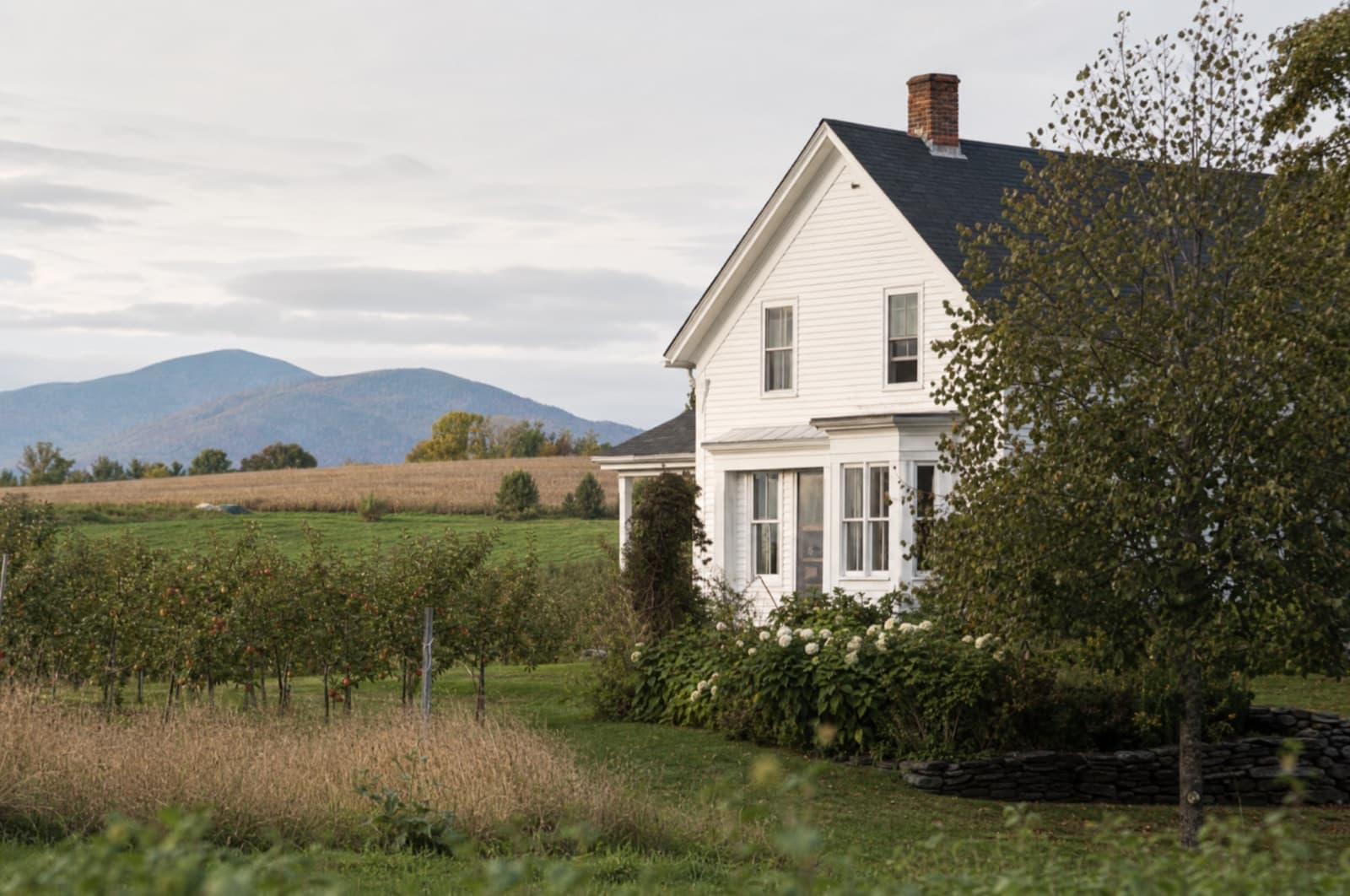
Litchfield retains active agriculture and Merrimack River floodplain along Route 3A, documented in the town's master plan (historic-resources chapter) and in conservation-commission records of farmland purchases with river frontage. It grew rapidly as a bedroom community after the 1970s but never built a true town center, and much of that former farmland is still in active use or protected as open space.
Cluster flies parasitize earthworms in pasture and lawn soil and overwinter by the thousands in nearby structures (UNH Extension); homes that border active pasture see a heavier fall aggregation than a home in a denser subdivision would. The same pasture-and-floodplain geography also favors field rodents and, near the river, standing water for mosquitoes. The practical shift for a pasture-adjacent home is to prioritize fall exclusion — sealing entry points before cluster flies and mice look for a way in — rather than treating it as a purely structural, urban pest problem.
Source: Town of Litchfield Master Plan, Chapter 7 (Historic Resources), litchfieldpd.com; Litchfield Conservation Commission minutes (2024), litchfieldrec.com; UNH Cooperative Extension, Cluster Flies fact sheet
Most of what shapes a home's pest pressure isn't the town line — it's the house and its surroundings:
The honest town profile
Census housing age, density and geography — the fields that genuinely predict pest pressure. Only documented facts appear.
Hillsborough
Historically agricultural land that saw rapid bedroom-community growth after the 1970s; the town never developed a traditional town center (town history; master plan).
East bank of the Merrimack River; a working farm and floodplain corridor along Route 3A; no bridge connecting to Merrimack town on the opposite bank.
Homes bordering active pasture or the river floodplain see more cluster flies, field rodents, and mosquitoes than interior subdivisions do. Interior neighborhoods away from that edge see the ordinary regional average — this is a property-adjacency effect, not a town-wide one.
Town of Litchfield Master Plan, Chapter 7 (Historic Resources), litchfieldpd.com · Litchfield Conservation Commission minutes (2024), litchfieldrec.com
The pests actually here
The real Southern-NH species picture — we name them and link the full profiles rather than re-teach identification, and we correct the ones that don't live here at all.
This is the southern New Hampshire picture, with one real regional emphasis: Litchfield has more working pasture and river floodplain than most towns in this hub, which shows up specifically for homes that border it.
- Cluster fliesLarvae parasitize earthworms in pasture and lawn soil; homes near Litchfield's working farmland see heavier fall aggregations on sun-warmed walls.Related guide
- Field mice and Norway ratPasture and farm outbuildings support rodent populations that move toward homes as the weather turns.Related guide
- MosquitoesMerrimack River floodplain and standing water near the river favor them for riverside homes.Related guide
- Blacklegged tickRegional distribution, present the same as in every town in this hub.Related guide
Our service area — including when it's not us
About 20 to 25 minutes south of Manchester, between Manchester and Nashua — core service area.
Fall exclusion and cluster-fly prevention for pasture-adjacent homes, rodent control, and the full range of structural pest services we provide across southern New Hampshire.
Service Area Map
Southern New Hampshire
The answer
What Litchfield's farms and river actually change
Litchfield could easily be sold as having its own farm-country pest identity, and there's a kernel of truth underneath that sales pitch: this is a town that stayed genuinely agricultural longer than its neighbors, with working pasture and river floodplain still protected along Route 3A even after decades of bedroom-community growth. But the species that come with that geography — cluster flies, field mice, mosquitoes near the river — are the same ones found in every NH town with a farm and a river. Litchfield just has more of that specific combination than most towns in this hub.
The one place the answer genuinely changes
Cluster flies lay their eggs where earthworms live — pasture and lawn soil — and the adults overwinter by the thousands in nearby buildings, according to UNH Extension. A home that borders one of Litchfield's working farms will see a noticeably heavier fall cluster-fly problem than a home in a denser subdivision a mile away. The same pasture edge supports more field rodents looking for a way indoors as it cools, and the river floodplain adds mosquito habitat for homes close to the water.
That's a real, sourced, but narrow difference — it applies to homes on that specific edge, not to Litchfield as a whole. A subdivision in the interior of town sees the same regional pest pressure as anywhere else.
Key takeaways
- Litchfield's real difference is narrow: homes bordering active pasture or river floodplain see more cluster flies, field mice, and mosquitoes.
- The species themselves are regional — carpenter ants, ticks, mosquitoes, cluster flies — found in every NH town with a farm and a river.
- Interior subdivisions away from the farm/river edge see the ordinary regional average, not an elevated risk.
Live near Litchfield's farmland? Fall exclusion matters more here.
Cluster flies and field mice hit pasture-adjacent homes harder. We prioritize fall exclusion for the properties where the evidence says it matters most.
Frequently asked
Sources & further reading(3)
- [1]Town of Litchfield Master Plan, Chapter 7 (Historic Resources)
Litchfield's agricultural history and rapid post-1970s bedroom-community growth
govverified 2026-07-16 - [2]Litchfield Conservation Commission minutes (2024)
Active farmland preservation with Merrimack River frontage
govverified 2026-07-16 - [3]UNH Cooperative Extension — Cluster Flies fact sheet
Cluster fly earthworm-parasite life cycle and overwintering behavior in structures
extensionverified 2026-07-16
Written & reviewed by
VerifiedDaniel Brady
NH-Licensed Pesticide Applicator · License #782664 (NHDAMF, RSA 430)
Daniel Brady is the New Hampshire–licensed applicator behind Anchor Pest Services, a family-owned pest control company serving the Manchester area since 2017.
Last updated July 2026
Compare a neighbor
Same honest instrument, town by town — most read “not different,” and that's the point.
Honest pest help for New Hampshire homes
Litchfield's Farms Are Real. So Is the Limit of What They Change.
Litchfield's working farmland and Merrimack floodplain bring a genuine, sourced uptick in cluster flies and field mice for homes on that edge — and the ordinary regional picture everywhere else. Family-owned since 2017, NH license #782664, based at 700 Harvey Rd in Manchester.
- We name the one real local factor and stop there
- NH-licensed applicators (#782664) — free inspection, same-day service
- Serving Litchfield and all of southern New Hampshire since 2017
NH License #782664 · No obligation · We answer in person