
Pest Control in Loudon: What's Actually Different Here?
Is Loudon pest control actually different?
The verdict on Loudon
something real, and documented
a real but minor factor
pests don't read town lines
Loudon's farms bring a modest uptick in cluster flies and barn mice — but the black widow on our own old Loudon page was never a New Hampshire resident.
The real difference
The specific, sourced local factor that changes the answer here — and what a homeowner should actually do about it.
That rural Loudon has its own unique farm pests, distinct from suburban towns nearby.
Loudon's farm and pasture geography does shift the mix toward cluster flies and farm-associated rodents, a real but minor effect — and every species involved is ordinary and regional, not unique to Loudon. The more important correction is what our own legacy page got wrong about local spiders.
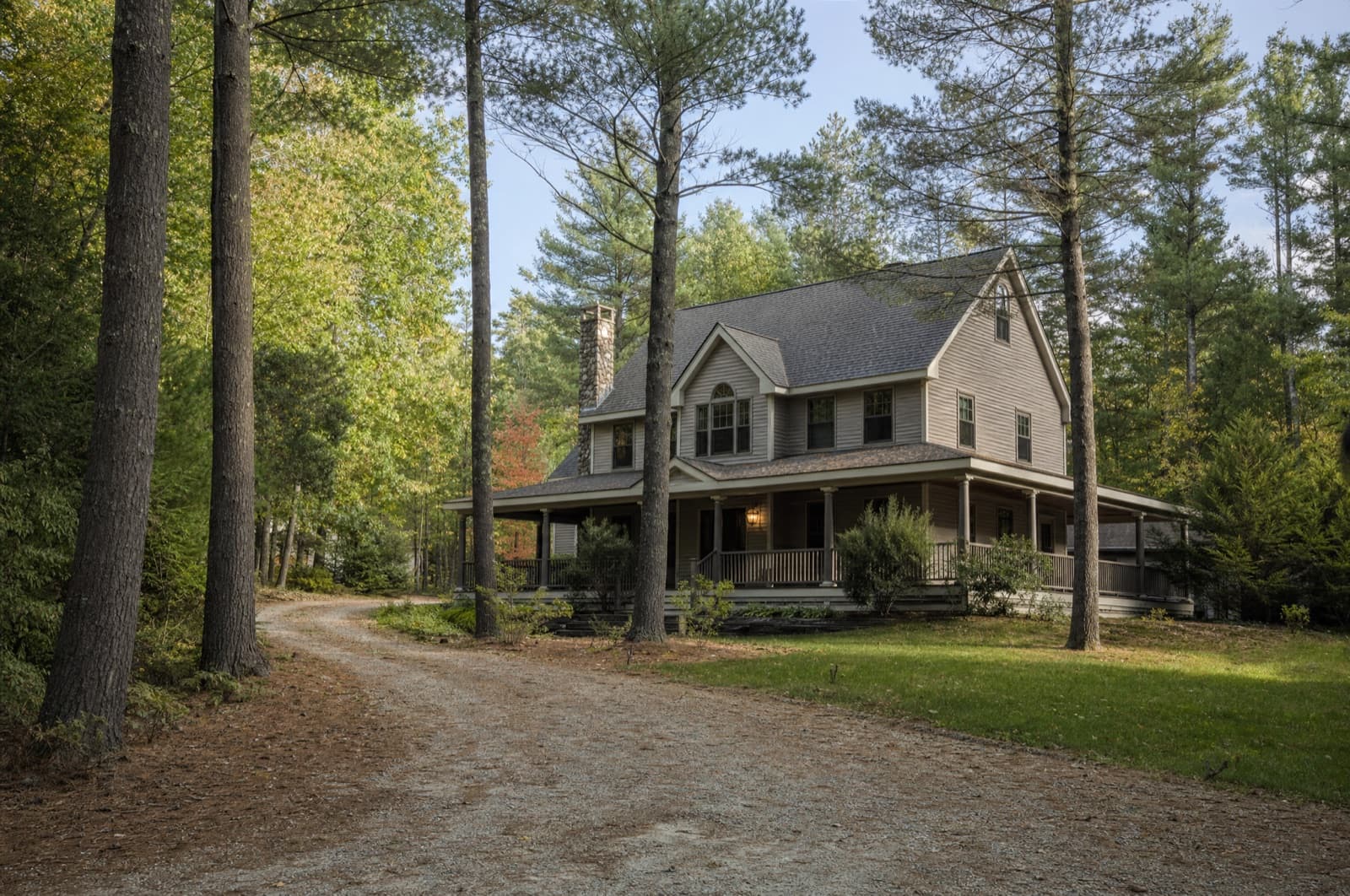
Loudon is genuinely agricultural — working farms with maple, produce, and livestock operations documented by the NH Department of Agriculture's farm directory and the town's own Agriculture Commission, alongside the NH Motor Speedway and a landscape where more than three-quarters of the town drains to the Soucook River.
Cluster fly larvae parasitize earthworms living in pasture and lawn soil, and adults overwinter by the thousands in nearby farmhouses and outbuildings (UNH Cooperative Extension). Homes on or near working farmland in Loudon should prioritize fall exclusion around barns and outbuildings for cluster flies and rodents — a genuinely more rural emphasis than a suburban town would need, though the species themselves are the same ones found on any NH farm.
Source: NH Dept. of Agriculture, Markets & Food — farm directory, agriculture.nh.gov; UNH Cooperative Extension, Cluster Flies fact sheet
Most of what shapes a home's pest pressure isn't the town line — it's the house and its surroundings:
The honest town profile
Census housing age, density and geography — the fields that genuinely predict pest pressure. Only documented facts appear.
Merrimack
A mix of working farmsteads and post-1980 subdivision growth as Concord- and Boston-area commuters arrived over the past four decades.
More than 75% of the town drains to the Soucook River watershed; home to multiple working farms and the NH Motor Speedway.
Genuinely rural, working farmland predicts a modest uptick in cluster flies and farm-associated rodents for farm-adjacent homes. It does not predict a unique species list, and it does not support the black widow claim on Anchor's own legacy page.
NH Dept. of Agriculture, Markets & Food — farm directory, agriculture.nh.gov · Loudon Master Plan 2018, Chapter 7 (Natural Features), loudonnh.org
The pests actually here
The real Southern-NH species picture — we name them and link the full profiles rather than re-teach identification, and we correct the ones that don't live here at all.
This is the southern and central New Hampshire picture, with one genuine rural emphasis: Loudon has more working farmland than most towns in this hub, which brings more cluster flies and barn-associated rodents near pasture.
- Cluster fliesLarvae parasitize earthworms in pasture soil; Loudon's working farms mean heavier fall aggregations near barns and farmhouses than a suburban town sees.Related guide
- Farm-associated rodentsBarns and outbuildings on active farmland support mouse and rat populations that move toward structures as the weather turns.Related guide
- Blacklegged tickRegional distribution, the same as every town in this hub.Related guide
- MosquitoesThe Soucook River watershed and other standing water support them regionally.Related guide
Anchor's own legacy loudon-pest-control-spiders page featured the black widow as a local species. It was wrong, and we're correcting it here.
Only the northern black widow (Latrodectus variolus) is native to New England, and at New Hampshire's latitude it is at most an extremely rare, infrequent inhabitant — University of Maine Cooperative Extension describes it as reaching only as far north as central Maine and southern Canada in scattered numbers. It is not a meaningful household risk in Loudon or anywhere else in New Hampshire, and a verified NH sighting is a genuinely rare event.
Source: University of Maine Cooperative Extension, Spiders fact sheet, extension.umaine.edu; Wang et al. 2018, PLOS ONE, northern black widow range study
Our service area — including when it's not us
About 30 to 35 minutes north of Manchester via Concord — client-confirmed service at the edge of our stated core area.
Fall exclusion and cluster-fly prevention for farm-adjacent homes and outbuildings, rodent control, and the full range of structural pest services we provide across the region.
Service Area Map
Southern New Hampshire
The answer
The farm difference is real, and it's minor
Loudon is one of the few genuinely rural, working-farm towns in this hub — maple, produce, and livestock operations documented by the state's own farm directory, plus the NH Motor Speedway and a landscape where most of the town drains to the Soucook River. That agricultural character does shift the pest mix, modestly: cluster flies and farm-associated rodents show up more around barns and pasture-adjacent homes than they would in a denser suburb. But the species are ordinary and regional — the same cluster fly and the same house mouse found on any NH farm — so this earns a slightly_different verdict, not a genuinely_different one.
The correction that actually matters here
The more important thing on this page is what our own legacy Loudon spiders page got wrong. It featured the black widow as a species local to Loudon, and that claim doesn't hold up. Only the northern black widow is native to New England at all, and at New Hampshire's latitude it's described by University of Maine Cooperative Extension as an infrequent inhabitant reaching only as far as central Maine and southern Canada in scattered numbers — not a meaningful household risk here. Our own /top-diy-methods hub has already corrected the related brown-recluse claim on other pages; this is the same correction, applied to the species our old Loudon page got wrong.
Key takeaways
- Loudon's real, minor difference: working farms bring more cluster flies and farm-associated rodents to pasture-adjacent homes.
- The species are ordinary and regional — the farm effect is a matter of degree, not a unique pest.
- Anchor's own legacy Loudon spiders page wrongly featured the black widow, which is at most an extremely rare visitor this far north.
Farm-adjacent home in Loudon? Fall exclusion is the priority.
Cluster flies and barn mice hit pasture-edge homes harder here than in a typical suburb. We treat Loudon properties with that in mind — and we're not going to tell you a black widow story that isn't true.
Frequently asked
Sources & further reading(5)
- [1]NH Dept. of Agriculture, Markets & Food — farm directory
Loudon's working farms and agricultural land use
stateverified 2026-07-16 - [2]Loudon Master Plan 2018, Chapter 7 (Natural Features)
Loudon watershed geography and rural land-use character
govverified 2026-07-16 - [3]UNH Cooperative Extension — Cluster Flies fact sheet
Cluster fly earthworm-parasite life cycle and pasture/farm association
extensionverified 2026-07-16 - [4]University of Maine Cooperative Extension — Spiders fact sheet
Northern black widow range and rarity at New Hampshire's latitude
extensionverified 2026-07-16 - [5]Wang et al. 2018, PLOS ONE — northern black widow range expansion
Documented range of Latrodectus variolus
academicverified 2026-07-16
Written & reviewed by
VerifiedDaniel Brady
NH-Licensed Pesticide Applicator · License #782664 (NHDAMF, RSA 430)
Daniel Brady is the New Hampshire–licensed applicator behind Anchor Pest Services, a family-owned pest control company serving the Manchester area since 2017.
Last updated July 2026
Compare a neighbor
Same honest instrument, town by town — most read “not different,” and that's the point.
Honest pest help for New Hampshire homes
Loudon's Farms Are Real. Our Old Spider Page Wasn't.
Loudon's working farms bring a genuine, minor uptick in cluster flies and barn mice — and our own legacy page was wrong to feature the black widow as a local species. We're correcting it here. Family-owned since 2017, NH license #782664, based at 700 Harvey Rd in Manchester.
- We correct our own past mistakes, not just competitors'
- NH-licensed applicators (#782664) — free inspection, same-day service
- Serving Loudon and all of central New Hampshire since 2017
NH License #782664 · No obligation · We answer in person