
Skip to content
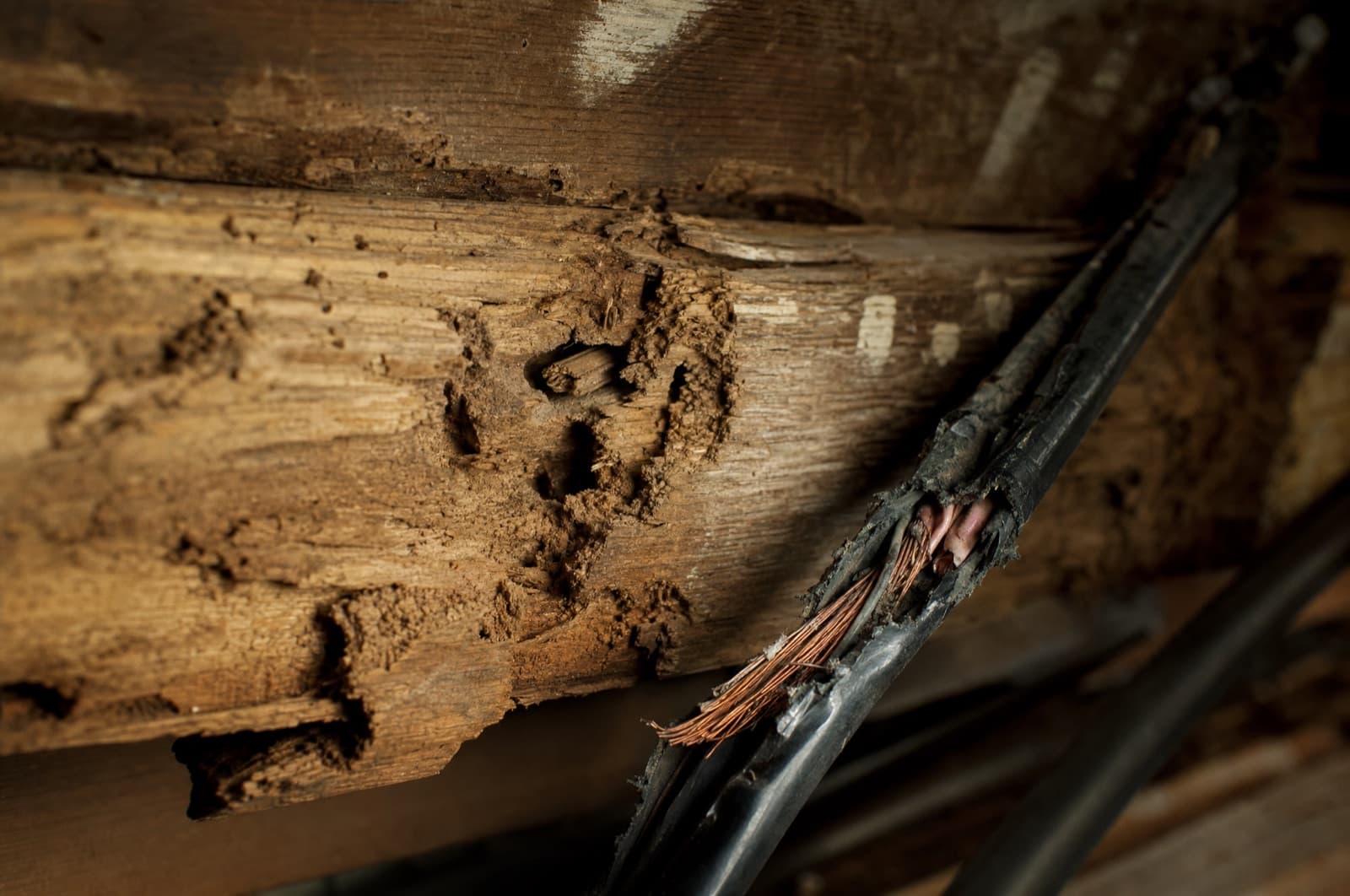
Pest damage evidence — a gnawed structural beam and a chewed electrical wire
Daniel Brady · NH-Licensed Pesticide Applicator · License #782664
Reviewed by Daniel Brady

Can mice damage cars or vehicle wiring?

Functional damage — real and well documented
Yes. Mice and rats readily nest in warm, sheltered engine bays and gnaw wiring harnesses, sensor wires, and fuel or vacuum lines — this is a real, industry-wide, well-documented problem, especially in vehicles parked for extended periods, and it's one of the few pest-damage warnings that isn't exaggerated. The popular theory that modern soy-based wire coatings specifically attract rodents is a separate and weaker claim: automakers deny it, and 2015-2020 class-action lawsuits built on it were dismissed for lack of evidence that soy-based wiring is chewed any more than older petroleum-based wiring.

At a glance

  • Can it?: Yes
  • How common: Occasional
  • Hype: About right
  • Evidence: Well documented
The honest answer

The short of it

The verdict
Functional damage — real and well documented

Yes — mice and rats nest in warm engine bays and gnaw wiring harnesses, and this is one of the pest-damage claims the internet gets right: the risk is genuinely as common as its reputation suggests. Where the story goes wrong is blaming soy-based wire coatings specifically — that theory doesn't hold up.

The correction

What they claim vs. what the evidence supports

One shared severity track, two markers. The span between them is the hype delta — named out loud.

The claim — mice and rats damaging vehicle wiring by nesting in engine bays

Mechanics, insurers, and pest-control sites widely describe rodent-damaged vehicle wiring as a common, industry-wide problem, especially for vehicles left parked or stored for extended periods.

Where the claim comes from: Mechanic and dealer service reports, insurance-industry commentary, and pest-control blogs describing the same, consistent pattern.

Severity, 0–100
Hype says70
62Evidence says
The hype is fairWell documented
The evidence

This is one of the claims the popular narrative gets largely right. Rodent nesting and gnawing in engine bays is a genuine, industry-wide, well-documented phenomenon, not a rare or exaggerated one, and it can produce real electrical faults ranging from a single sensor issue to a vehicle that won't start. The one part of the story that IS overstated is the theory that modern soy-based wire coatings are specifically to blame: automakers deny it, courts have dismissed lawsuits built on that specific claim for lack of evidence, and rodents were chewing vehicle wiring long before soy-based coatings existed.

The gap

This one is largely earned — rodent damage to vehicle wiring really is as common and consequential as its reputation suggests. The only place the story overreaches is blaming soy-based insulation specifically; that narrower claim is a lawsuit theory that didn't hold up, not the core damage claim itself.

Damage assessment

What is actually harmed

Damage verdict
Functional damage — real and well documented
FunctionalCan it?Yes
The specimen
Pest
House mice, Norway rats, and roof rats
What is in question
Vehicle wiring harnesses, sensor wiring, fuel and vacuum lines, and cabin air filters
How common
Occasional
Evidence
Well documented
Mechanism

An idle, undisturbed engine bay is a warm, sheltered, quiet space — exactly what a nesting rodent looks for — and once inside, the same obligate gnawing behavior that strips household wire insulation strips harness insulation and can sever sensor wires and lines. Nesting material, often shredded cabin air filter, insulation, or upholstery foam, frequently accumulates alongside the damage.

Actually at risk4
  • Wiring harnesses and connectors throughout the engine bay
  • Sensor wiring
  • Fuel and vacuum lines
  • Cabin air filters and seat foam used as nesting material
Not at risk — despite the myth3
  • The engine block, transmission case, and structural chassis
  • Steel body panels and frame
  • The theory that one wire-coating chemistry is uniquely to blame — no controlled study shows soy-based wiring is preferentially chewed over petroleum-based wiring
Worst realistic case
A vehicle rendered inoperable or unsafe to drive until a mechanic locates and repairs a chewed harness — inconvenient and sometimes involved, but not evidence of a manufacturing defect.

Assessed from: ICWDM (rodent nesting and gnawing behavior); litigation history and automaker denials reported by NBC4 Washington, Chicago Sun-Times, and CarBuzz (context only, not primary damage evidence)

The compounding clock

Does it get worse if you ignore it?

Over time
Compounds

It compounds while the vehicle stays parked and undisturbed — and stops once the rodents are gone and the vehicle is in regular use.

The timeline
3 stages
  1. DaysReversible

    A mouse or rat explores and begins nesting in the engine bay of an idle vehicle, usually starting with the cabin air filter or insulation.

  2. WeeksReversible

    Nesting is established; wiring harness insulation and sensor wires in the nest's immediate vicinity begin showing gnaw damage.

  3. MonthsReversible

    Damage accumulates across more of the harness; the vehicle may start showing intermittent electrical faults, warning lights, or difficulty starting.

What stops the clock
Removing the rodents and denying them access — parking away from vegetation and clutter, using the vehicle regularly, or a rodent-deterrent engine-bay cover. New gnawing stops as soon as the vehicle stops being a nesting site.
Repair scope

Who actually fixes this

Scope, not dollars — the honest answer to “how expensive is it,” routed to the right trade.

Who fixes it
Pest pro first
Effort
A trade visit

If the property still has a rodent population, a repaired harness just gets chewed again — the property-level pressure has to be addressed alongside the vehicle repair.

The right order
  1. 1
    Anchor: address the rodent population on the property, including exclusion around the garage or parking area
  2. 2
    Mechanic or dealer: locate and repair or replace the damaged wiring harness or components
  3. 3
    Homeowner: park away from vegetation and clutter, or use the vehicle regularly to deny nesting opportunity
Route by symptom
  • You — a DIY patchYou want to add a physical deterrent like a rodent-repellent engine cover or wire wrap as prevention
Do not
  • Don't rely on peppermint oil, dryer sheets, or ultrasonic devices as a proven deterrent — the evidence behind them is thin
  • Don't assume a soy-based wiring warranty claim will succeed based on the soy theory alone — courts have consistently required more evidence than that
Where we help — and where we don't

Anchor handles the property's rodent pressure — the garage, the yard, the places rodents are living. We do not repair vehicles; the harness itself is a mechanic's or dealer's job.

In depth

The full picture

01

Why engine bays are prime rodent real estate

An idle vehicle offers a rodent almost everything it needs: warmth that lingers after the engine shuts off, a quiet, undisturbed space, and soft materials — cabin air filters, seat foam, insulation — ready to shred into nesting material. Vehicles parked for extended periods near vegetation, in cluttered garages, or simply left unused for weeks are the classic setup, and the pattern shows up across every make and model, not any one manufacturer.

02

What actually gets damaged

Once nesting is established, the same obligate gnawing behind household wire damage goes to work on the vehicle's wiring harness, individual sensor wires, and fuel or vacuum lines. This is a genuine, industry-wide, well-documented problem — mechanics and insurers have tracked it for decades, and it can range from a single sensor fault to a harness section that needs significant rework.

03

The soy-insulation theory — what the lawsuits actually found

As automakers shifted toward more environmentally friendly, soy-based wire coatings, a theory emerged that this specific chemistry was uniquely attractive to rodents, driving several 2015-2020 class-action lawsuits against manufacturers including Honda and Toyota. Multiple of these cases were dismissed, reported as citing insufficient evidence that soy-based wiring attracted rodents more than petroleum-based wiring. Automakers denied responsibility outright — Honda stated it was not aware of any scientific evidence that rodents are attracted to automotive wiring because of soy content, and noted that rodents chewing wiring significantly predates the introduction of soy-based wiring by several decades.

That history matters because it separates two claims that get conflated: rodents damaging vehicle wiring (true, well established) and one specific wire chemistry being to blame for it (unproven, and rejected where it's been tested in court).

04

Functional damage, real risk, honest expectations

The damage class here is functional — a working system (the vehicle's electrical system) gets broken — not structural, and not evidence of a defect unique to any one vehicle brand or wiring type. The realistic risk is a vehicle with an intermittent electrical fault or one that won't start until a harness is repaired, and the realistic prevention is denying rodents the nesting opportunity in the first place, regardless of what your engine bay's wiring is coated with.

Key takeaways
5 points
  • Yes — rodent damage to vehicle wiring is real, common, and well documented, especially in vehicles left idle.
  • The "soy insulation attracts rodents" theory is unproven — automakers deny it and courts have dismissed lawsuits built on it for lack of evidence.
  • Rodents were chewing vehicle wiring long before soy-based coatings existed.
  • The damage compounds while a vehicle sits idle and stops once the rodents are gone and the vehicle is back in regular use.
  • Anchor addresses the property's rodent pressure; a mechanic repairs the vehicle itself.
New Hampshire context

Stored vehicles in New Hampshire winters

A vehicle parked through a New Hampshire winter in an unheated garage or barn is a warm, sheltered, undisturbed box exactly when rodents are pushing indoors ahead of Manchester's first hard frost, historically around October 19 to 29. For seasonally stored vehicles, the entry points into the garage or barn matter far more than anything done to the vehicle itself — a rodent that can't get into the building can't nest in the engine bay.

  • NH-licensed #782664

    Southern New Hampshire

  • Family-owned

    Since 2017

  • Honest routing

    Even when it isn’t us

We serve these communities

ManchesterNashuaConcordDerryBedfordSalemHudsonAmherstAuburnGoffstownHooksettLitchfieldLoudonMilfordBristol

Service Area Map

Southern New Hampshire

BristolPop. 3,200LoudonPop. 5,500ConcordPop. 43,900HooksettPop. 14,800GoffstownPop. 18,000AuburnPop. 5,700ManchesterPop. 115,600BedfordPop. 23,300LitchfieldPop. 8,500AmherstPop. 11,300DerryPop. 34,500MilfordPop. 15,700HudsonPop. 25,600NashuaPop. 91,100SalemPop. 30,000HQCityHover for info

Mice nesting near your vehicles or garage? Address the property first.

Anchor handles the rodent pressure around your garage or parking area — the part that keeps a repaired harness from getting chewed again.

Follow-up questions

Frequently asked

Sources & citations(4)
  1. Internet Center for Wildlife Damage Management — House Mouse Damage Identification

    Rodent nesting and gnawing behavior in structures and equipment

    extensionverified 2026-07-16
  2. University of Nebraska–Lincoln Extension — Controlling House Mice (G1105)

    Rodent damage to stored equipment and vehicles

    extensionverified 2026-07-16
  3. Rat Behavior and Biology — Rat Teeth

    Incisor hardness and obligate gnawing mechanism

    academicverified 2026-07-16
  4. NFPA — Animals Fact Sheet

    Context: NFPA's genuine animal-related home-fire figure, relevant to this cluster's wiring-fire correction

    fireverified 2026-07-16

Written & reviewed by

Verified

Daniel Brady

NH-Licensed Pesticide Applicator · License #782664 (NHDAMF, RSA 430)

Daniel Brady is the New Hampshire–licensed applicator behind Anchor Pest Services, a family-owned pest control company serving the Manchester area since 2017.

Verify license

Last updated Jul 2026

Honest pest help for New Hampshire homes

We Handle the Property. A Mechanic Handles the Vehicle.

A chewed wiring harness is a mechanic's or dealer's repair, and we won't quote you for it. What Anchor Pest Services does is exclude and remove the rodents living around your garage or parking area, so your vehicle stops being their winter home. Family-owned since 2017, NH license #782664, serving Manchester, Nashua, Concord and nearby towns.

  • Honest advice — we route you to the right fix, even when it isn't us
  • NH-licensed applicators (#782664) — free inspection, same-day service
  • Rodent exclusion around garages and outbuildings across southern and central New Hampshire

NH License #782664 · No obligation · We answer in person