
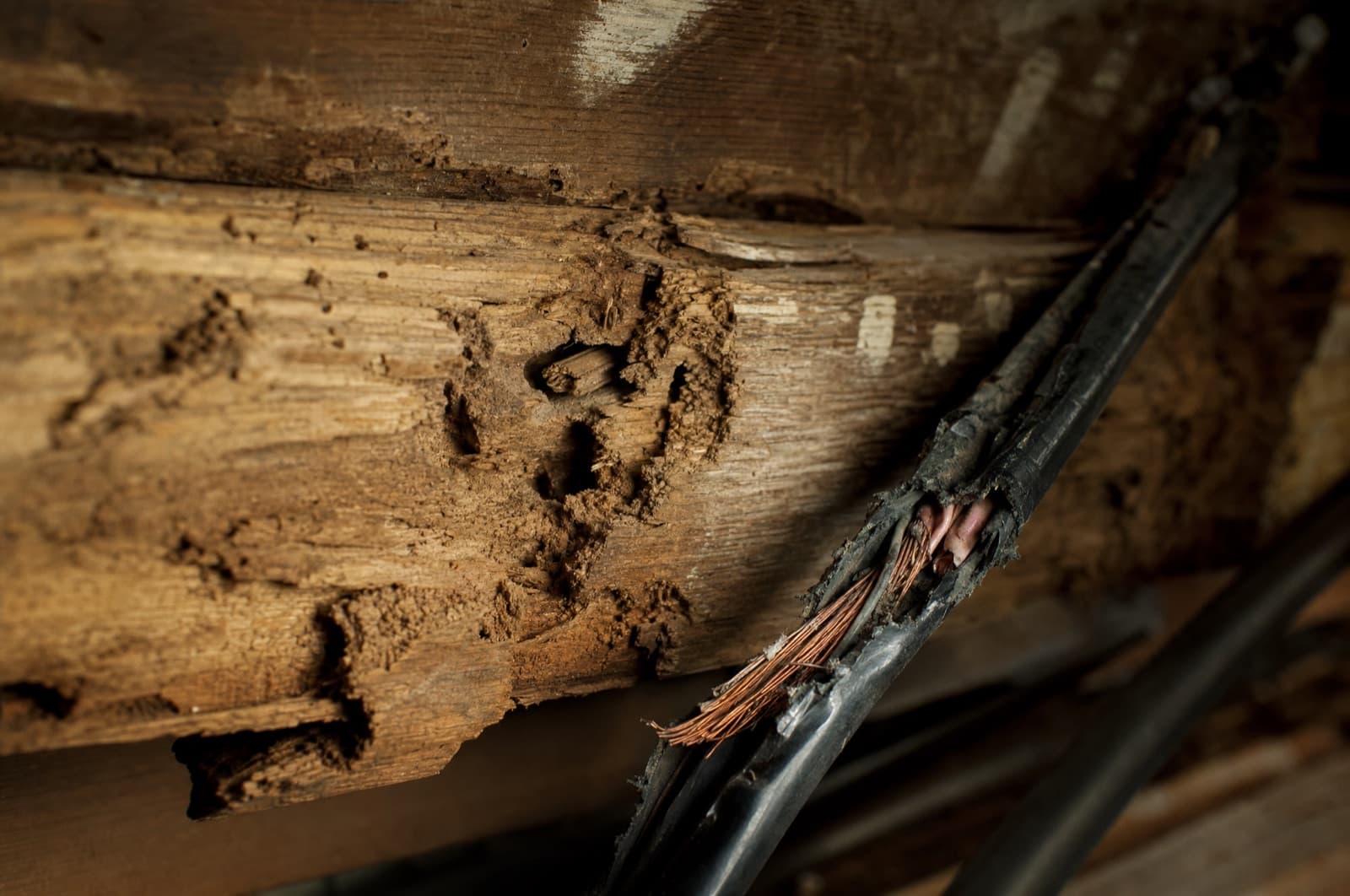
Can pests destroy stored furniture or boxes?

Don't wait - every day increases health risks and property damage. These aggressive rodents multiply rapidly and spread dangerous diseases.

Professional elimination is the ONLY safe and effective solution. DIY methods fail 90% of the time and can make the problem worse.

24 Hours

Average response time

100%

Satisfaction guarantee

Call now for same-day, eco-friendly pest control

With over 20 years of experience, Anchor Pest offers personalized, chemical-safe yearly subscriptions, protecting homes and businesses across Manchester and surrounding counties with ongoing peace of mind.

(603) 785-0118

Contact Us

Can pests destroy stored furniture or boxes?


Yes, pests can absolutely destroy stored furniture and boxes. If you have belongings packed away in a storage area—like an attic, garage, basement, or storage unit—various pests, including insects and rodents, can infest, damage, or even totally ruin your items.

How Pests Damage Furniture and Boxes

Pests are living creatures that often search for food, shelter, or nesting materials. Unfortunately, your stored items can provide all three, leading to serious damage:

  • Termites: These insects eat wood, so wooden furniture, cardboard boxes, and even paper are at severe risk. Termite damage can be hidden inside or underneath surfaces, making furniture structurally unsafe. Boxes can collapse or become so chewed up that your items spill out.
  • Carpenter ants and powderpost beetles: Both can bore into wood, creating tunnels that weaken furniture frames, legs, or drawers. Over time, this may make your furniture fall apart or appear riddled with tiny holes.
  • Rodents (like mice and rats): These pests gnaw through almost anything, including cardboard, fabric, foam, and even plastic. They use this material for building nests. Rodents may chew holes in boxes, eat cushions or upholstery, and leave droppings or urine that can stain or contaminate items. Rodents may even gnaw through electrical cords found in or around stored items, creating fire hazards.
  • Cockroaches and silverfish: These insects love starchy materials found in cardboard, paper, and some glues. They can damage books, important documents, and cardboard boxes by eating away at them or leaving excrement behind, which creates unsanitary conditions and odors.

Specific Items Most at Risk

  • Wooden furniture: Prone to wood-boring insects and termites.
  • Upholstered furniture and mattresses: Attractive for rodents to nest in and chew apart, especially if there's any food residue.
  • Cardboard boxes: Easily chewed by insects and rodents for both food and nesting.
  • Books, photos, and documents: Targeted by silverfish and cockroaches, as well as rodents (for nesting material).
  • Clothing and fabric items: If not stored in sealed containers, can be shredded by rodents or moths.

How Pests Get Into Storage

Pests can access your stored items through even tiny cracks, holes, or gaps. For example:

  • Gaps around doors, windows, or vents
  • Unsealed or uninspected boxes and containers
  • Via items already infested before storage
Moisture, warmth, food crumbs, or poorly sealed containers make the area even more inviting for pests.

Signs Your Stored Items are Infested

Look for:

  • Droppings, shredded material, or nests in boxes
  • Small holes in wood, cardboard, or fabric
  • Chewed edges on boxes or furniture
  • Sawdust-like frass (droppings from wood-boring insects)
  • Musty or bad odors coming from storage

How to Prevent Pest Damage in Storage

  • Use plastic bins instead of cardboard boxes. Sealed plastic is much harder for pests to get into or chew through.
  • Raise items off the ground with pallets or shelving to make it less accessible to crawling pests.
  • Clean items before storing and make sure they’re dry, as food residue or excess moisture attract pests.
  • Use pest deterrents like cedar blocks or sachets of lavender to help keep insects away.
  • Seal cracks and gaps in your storage area. Install door sweeps and repair window screens.
  • Check storage regularly for any signs of pests so you can take quick action if needed.
  • Avoid storing kitchen items or food which can attract rodents and insects.

What to Do if You Discover Pest Damage

  • Remove all items and inspect them carefully for damage and active pests.
  • Throw away anything heavily infested or contaminated, especially food or porous objects soaked with urine or droppings.
  • Clean and disinfect any salvageable items—use appropriate cleaners for furniture, fabrics, and hard surfaces.
  • Address the source of the problem by fixing entry points, improving storage conditions, and contacting a pest control specialist if the problem is large or ongoing.

In summary, pests absolutely can destroy stored furniture and boxes, sometimes beyond repair. Proper storage choices, regular inspections, and pest-proofing steps are crucial if you want your belongings to be safe during storage.

Protect Your Family Today

Professional pest control eliminates troubles immediately. Our safe, effective treatments protect your loved ones from dangerous diseases.

Identify Your Pest and Discover the Best Solutions

Can pest infestations affect home resale value?

How pest infestations can damage your home and hurt resale value, plus practical prevention tips to safeguard your property investment.

Read More

Do seasonal pests cause different types of damage?

How seasonal pests—from spring ants to winter rodents—cause unique damage and learn tips to protect your home year-round.

Read More

Can bats ruin attic insulation with droppings?

How bat droppings can damage your attic insulation, pose health hazards, and learn expert tips to prevent costly repairs and keep your home safe.

Read More

Can termites damage flooring or wall supports?

How termites can damage your flooring and wall supports, spot early warning signs, and take action to protect your home from costly repairs.

Read More

Can starlings or pigeons clog vents or drains?

Whether starlings and pigeons can clog vents or drains, uncover the warning signs of blockages, and discover proven prevention tips to keep your home safe.

Read More

Can fleas damage anything besides biting pets?

How fleas can harm more than just your pets—infesting carpets, damaging furniture, and posing health risks to humans. Learn expert tips for prevention and.

Read More

Why do roaches hide in kitchen appliances?

Why roaches hide in kitchen appliances—warmth, food crumbs, moisture and dark tight spots—and learn simple tips to prevent infestations and keep your kitchen.

Read More

Can bird nests cause chimney fires?

Can bird nests cause chimney fires? Learn how flue blockages from nests can ignite dangerous hotspots and discover expert tips on safe nest removal, chimney maintenance, and fire prevention.

Read More

Which pests cause the most expensive repairs?

Which pests—termites, rodents, carpenter ants and more—can drive up your repair bills, and get expert tips to prevent costly home damage.

Read More

Professional Solution That Actually Works

Our certified technicians eliminate pests infestations completely and permanently.
Here's what you get:

🔍

Immediate Assessment

Trained experts identify entry points and nesting areas

🛡️

Safe Treatment

Pet and family-friendly methods used

🎯

Complete Elimination

Targets entire colony, not just visible insects or rodents

📋

Prevention Plan

Long-term exclusion strategies

🧽

Health Protection

Proper cleanup and sanitization

Guarantee

Service warranty and follow-up visits

Our 3-Step Elimination Process

🔍

1. Immediate Inspection

Complete property assessment within 24 hours

🎯

2. Targeted Elimination

Safe, effective treatment of entire colony

🛡️

3. Prevention Plan

Long-term exclusion and monitoring

Ready to Solve This Problem Forever?

Join thousands of satisfied customers who chose professional pest control.
100% satisfaction guarantee.

Quarterly Subscription Plans • Licensed & Insured • Same-Day Start • 100% Satisfaction Guarantee