
How should homeowners store outdoor furniture to reduce pest risk?

Don't wait - every day increases health risks and property damage. These aggressive rodents multiply rapidly and spread dangerous diseases.

Professional elimination is the ONLY safe and effective solution. DIY methods fail 90% of the time and can make the problem worse.

24 Hours

Average response time

100%

Satisfaction guarantee

Call now for same-day, eco-friendly pest control

With over 20 years of experience, Anchor Pest offers personalized, chemical-safe treatments for homes and businesses across Manchester and surrounding counties

(603) 785-0118

Contact Us

How should homeowners store outdoor furniture to reduce pest risk?


The Best Way to Store Outdoor Furniture to Prevent Pest Problems


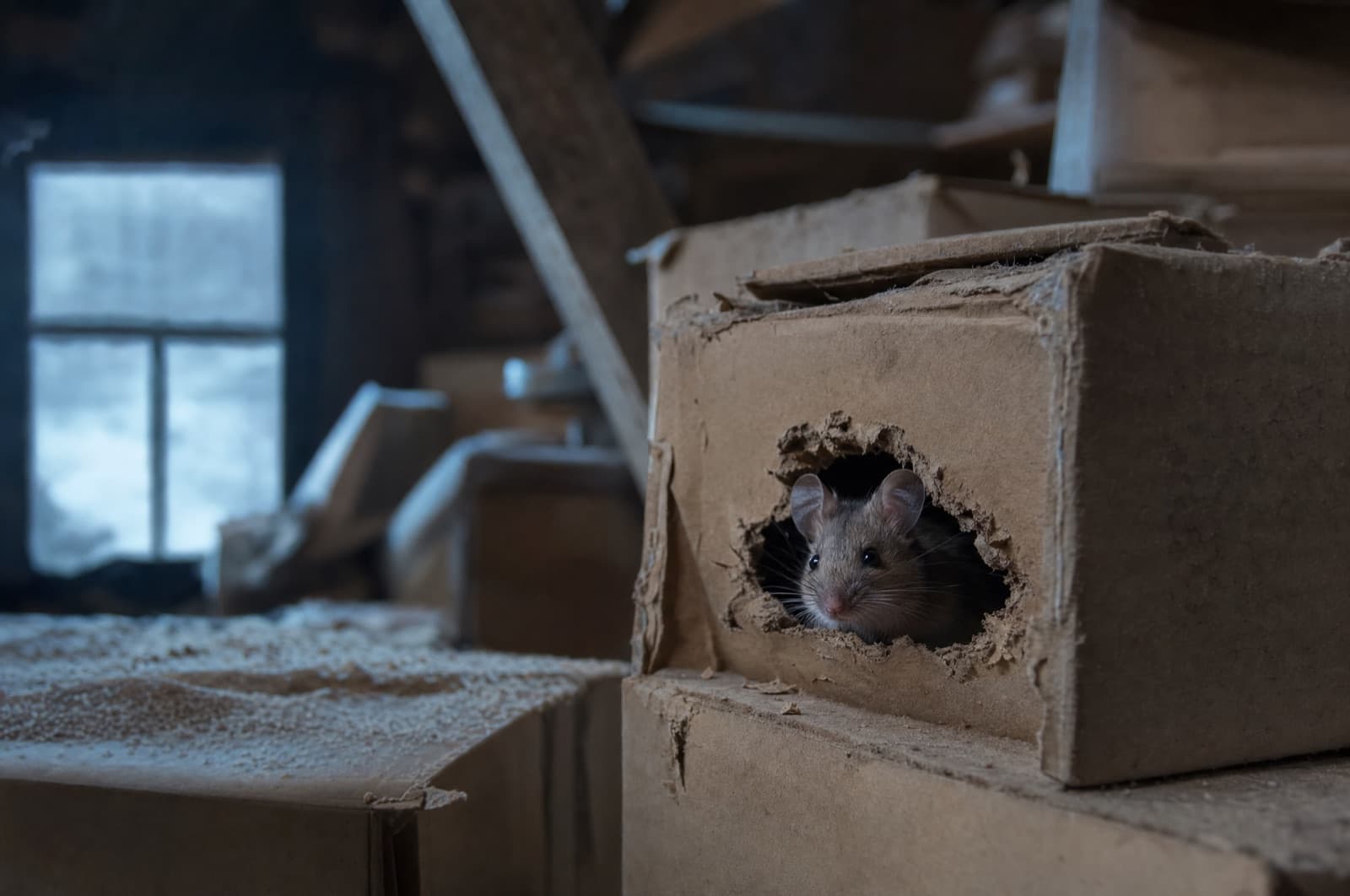
If you want to reduce the risk of attracting pests like rodents, insects, or spiders to your outdoor furniture, always store your furniture in a clean, dry, and sealed area. The ideal location is a garage, shed, or storage unit that is regularly cleaned and has limited openings where pests can enter. Before storing, thoroughly clean the furniture, remove any cushions, and ensure everything is dry. Cover your furniture with well-fitting, breathable covers and keep everything elevated off the ground when possible. Avoid storing cushions directly on the floor or in cardboard boxes, which can attract or provide shelter to pests.


Why Pests Are Attracted to Outdoor Furniture


Outdoor furniture can be very inviting to bugs and rodents because it often has hidden spots for nesting, leftover crumbs or food, or moisture. Fabric cushions, wicker, or wood surfaces can harbor insects like ants, spiders, and beetles. Rodents may chew cushions for nesting material. Even small cracks or crevices give pests a place to hide or build nests.


Essential Steps to Prepare Furniture for Storage


  • Thoroughly clean all surfaces: Use a brush and mild soap to scrub away any dirt, debris, bird droppings, or food crumbs. Pay attention to crevices, under cushions, and joints where insects might hide or lay eggs. Let furniture dry completely before moving it to storage. Moisture attracts pests and can also lead to mold or mildew.

  • Remove and separately store cushions and fabric items: Take off all cushions, pillows, and fabric covers. Wash and dry them fully. If storing for a long period, use sealed plastic bins with tight lids or vacuum-sealed bags so pests can't reach the fabric. Avoid plastic garbage bags or cardboard boxes, as these can tear or attract rodents.

  • Inspect for and repair any damage: Fix loose joints, holes, or tears in cushions, and seal cracks in wooden or plastic furniture. Fill holes with wood filler or caulk and sand smooth. Patch fabric or cover with a patch kit. Small gaps and tears are places where earwigs, spiders, or mice can get inside.

  • Apply a protective spray if needed: For wooden furniture, consider applying a pest-repelling wood sealant or natural oil like teak oil to help deter insects. For metal, make sure there is no rust, as it can retain moisture and attract pests.


Choosing the Right Storage Location


  • Dry, sealed location: Use a garage, basement, or outdoor shed that shuts tightly. Make sure screens and weather stripping on doors and windows are in good condition. Avoid unfinished basements with dirt floors, which invite insects and rodents.

  • Elevate furniture: Place items on pallets, shelving, or bricks so nothing touches the ground. This discourages pests like mice or ground beetles from nesting underneath. Airflow beneath also helps keep things dry.

  • Leave space between pieces: Don’t stack furniture too close together. Good spacing makes it harder for pests to nest in hidden spots and lets you spot problems early.

  • Avoid storing near food or pet supplies: Keep furniture well away from trash bins, pet food, or bird seed, which can attract bugs and mice.


Covering and Protecting Your Furniture


  • Use breathable covers: Choose fabric furniture covers designed for storage, not plastic tarps. Breathable covers prevent trapped moisture, which can attract mold and certain insects.

  • Secure covers tightly: Make sure covers fit snugly over each item and are secured at the bottom so pests can’t squeeze inside. Many covers have drawstrings or Velcro for a better seal.

  • Don’t wrap with plastic wrap or garbage bags: These trap moisture and can tear, making ideal hiding spots for pests.


Extra Prevention Tips


  • Lay down pest repellent: Sprinkle natural repellents like cedar chips or use pest deterrent sachets (such as lavender or mothballs) near stored furniture, but not directly on the surface.

  • Regularly inspect storage: Every few weeks, check the storage area for signs of pests (droppings, webs, chewed material) and address any problems quickly.

  • Keep area clean and uncluttered: Avoid stacking boxes or unused items around furniture, as clutter provides hiding spaces for pests.


Summary


To store outdoor furniture with the least risk of pest problems, always clean and dry everything, use pest-proof storage containers for fabrics, repair any damage, and store everything in a dry, sealed area off the ground. Use snug, breathable covers and keep storage areas clean, uncluttered, and free from food sources. Regular inspections and simple pest deterrents add an extra layer of protection. Following these steps will ensure your outdoor furniture stays pest-free and ready for use next season.

Protect Your Family Today

Professional pest control eliminates troubles immediately. Our safe, effective treatments protect your loved ones from dangerous diseases.

Read More About Keeping  Rodents and Bugs Out of Your Home

Which pests do I need to watch out for in winter?

Discover the most common winter pests—mice, spiders, rodents and more. Learn how to spot early signs of infestation and protect your home and garden this cold season.

Read More

Heading 1

Heading 2

Heading 3

Heading 4

Heading 5
Heading 6

Lorem ipsum dolor sit amet, consectetur adipiscing elit, sed do eiusmod tempor incididunt ut labore et dolore magna aliqua. Ut enim ad minim veniam, quis nostrud exercitation ullamco laboris nisi ut aliquip ex ea commodo consequat. Duis aute irure dolor in reprehenderit in voluptate velit esse cillum dolore eu fugiat nulla pariatur.

Block quote

Ordered list

  1. Item 1
  2. Item 2
  3. Item 3

Unordered list

  • Item A
  • Item B
  • Item C

Text link

Bold text

Emphasis

Superscript

Subscript

How can snow melt near the foundation increase pest risk?

Learn why melting snow around your foundation creates damp, inviting conditions for pests—rodents, insects and more—and discover simple prevention tips.

Read More

Heading 1

Heading 2

Heading 3

Heading 4

Heading 5
Heading 6

Lorem ipsum dolor sit amet, consectetur adipiscing elit, sed do eiusmod tempor incididunt ut labore et dolore magna aliqua. Ut enim ad minim veniam, quis nostrud exercitation ullamco laboris nisi ut aliquip ex ea commodo consequat. Duis aute irure dolor in reprehenderit in voluptate velit esse cillum dolore eu fugiat nulla pariatur.

Block quote

Ordered list

  1. Item 1
  2. Item 2
  3. Item 3

Unordered list

  • Item A
  • Item B
  • Item C

Text link

Bold text

Emphasis

Superscript

Subscript

What problems occur when pest exclusion is delayed in winter?

Delayed winter pest exclusion lets rodents, insects and other wildlife find shelter, causing structural damage, health risks and costly repairs. Act fast to protect your home.

Read More

Heading 1

Heading 2

Heading 3

Heading 4

Heading 5
Heading 6

Lorem ipsum dolor sit amet, consectetur adipiscing elit, sed do eiusmod tempor incididunt ut labore et dolore magna aliqua. Ut enim ad minim veniam, quis nostrud exercitation ullamco laboris nisi ut aliquip ex ea commodo consequat. Duis aute irure dolor in reprehenderit in voluptate velit esse cillum dolore eu fugiat nulla pariatur.

Block quote

Ordered list

  1. Item 1
  2. Item 2
  3. Item 3

Unordered list

  • Item A
  • Item B
  • Item C

Text link

Bold text

Emphasis

Superscript

Subscript

How do cold snaps trigger pest invasions inside homes?

Learn how sudden cold snaps drive insects and rodents indoors, what lures them, and simple strategies to seal entry points and protect your home from unwanted pest invasions.

Read More

Heading 1

Heading 2

Heading 3

Heading 4

Heading 5
Heading 6

Lorem ipsum dolor sit amet, consectetur adipiscing elit, sed do eiusmod tempor incididunt ut labore et dolore magna aliqua. Ut enim ad minim veniam, quis nostrud exercitation ullamco laboris nisi ut aliquip ex ea commodo consequat. Duis aute irure dolor in reprehenderit in voluptate velit esse cillum dolore eu fugiat nulla pariatur.

Block quote

Ordered list

  1. Item 1
  2. Item 2
  3. Item 3

Unordered list

  • Item A
  • Item B
  • Item C

Text link

Bold text

Emphasis

Superscript

Subscript

Are crawl spaces in homes major pest entry points in winter?

Unsealed crawl spaces can become winter pest entry points. Learn how sealing, insulation, and moisture control protect homes from rodents and insects.

Read More

Heading 1

Heading 2

Heading 3

Heading 4

Heading 5
Heading 6

Lorem ipsum dolor sit amet, consectetur adipiscing elit, sed do eiusmod tempor incididunt ut labore et dolore magna aliqua. Ut enim ad minim veniam, quis nostrud exercitation ullamco laboris nisi ut aliquip ex ea commodo consequat. Duis aute irure dolor in reprehenderit in voluptate velit esse cillum dolore eu fugiat nulla pariatur.

Block quote

Ordered list

  1. Item 1
  2. Item 2
  3. Item 3

Unordered list

  • Item A
  • Item B
  • Item C

Text link

Bold text

Emphasis

Superscript

Subscript

Can snow cover actually help rodent movement under houses?

Discover how snow cover can create insulated pathways that actually aid rodent movement beneath houses—impacting winter pest behavior and home protection strategies.

Read More

Heading 1

Heading 2

Heading 3

Heading 4

Heading 5
Heading 6

Lorem ipsum dolor sit amet, consectetur adipiscing elit, sed do eiusmod tempor incididunt ut labore et dolore magna aliqua. Ut enim ad minim veniam, quis nostrud exercitation ullamco laboris nisi ut aliquip ex ea commodo consequat. Duis aute irure dolor in reprehenderit in voluptate velit esse cillum dolore eu fugiat nulla pariatur.

Block quote

Ordered list

  1. Item 1
  2. Item 2
  3. Item 3

Unordered list

  • Item A
  • Item B
  • Item C

Text link

Bold text

Emphasis

Superscript

Subscript

Can neighboring homes’ pest issues spill into my home in winter?

Worried neighboring homes’ pests could spill into your home in winter? Learn how infestations travel between houses and tips to keep your home pest-free.

Read More

Heading 1

Heading 2

Heading 3

Heading 4

Heading 5
Heading 6

Lorem ipsum dolor sit amet, consectetur adipiscing elit, sed do eiusmod tempor incididunt ut labore et dolore magna aliqua. Ut enim ad minim veniam, quis nostrud exercitation ullamco laboris nisi ut aliquip ex ea commodo consequat. Duis aute irure dolor in reprehenderit in voluptate velit esse cillum dolore eu fugiat nulla pariatur.

Block quote

Ordered list

  1. Item 1
  2. Item 2
  3. Item 3

Unordered list

  • Item A
  • Item B
  • Item C

Text link

Bold text

Emphasis

Superscript

Subscript

How can homeowners use smart home sensors to detect pests in winter?

Learn how homeowners can use smart home sensors—motion, temperature, humidity, and sound detectors—to detect winter pests, receive real-time alerts, and safeguard their home.

Read More

Heading 1

Heading 2

Heading 3

Heading 4

Heading 5
Heading 6

Lorem ipsum dolor sit amet, consectetur adipiscing elit, sed do eiusmod tempor incididunt ut labore et dolore magna aliqua. Ut enim ad minim veniam, quis nostrud exercitation ullamco laboris nisi ut aliquip ex ea commodo consequat. Duis aute irure dolor in reprehenderit in voluptate velit esse cillum dolore eu fugiat nulla pariatur.

Block quote

Ordered list

  1. Item 1
  2. Item 2
  3. Item 3

Unordered list

  • Item A
  • Item B
  • Item C

Text link

Bold text

Emphasis

Superscript

Subscript

What is the cost of pest damage in winter homes?

Discover the true cost of pest damage in winter homes. Learn about common cold-weather invaders, average repair and treatment expenses, and smart prevention tips.

Read More

Heading 1

Heading 2

Heading 3

Heading 4

Heading 5
Heading 6

Lorem ipsum dolor sit amet, consectetur adipiscing elit, sed do eiusmod tempor incididunt ut labore et dolore magna aliqua. Ut enim ad minim veniam, quis nostrud exercitation ullamco laboris nisi ut aliquip ex ea commodo consequat. Duis aute irure dolor in reprehenderit in voluptate velit esse cillum dolore eu fugiat nulla pariatur.

Block quote

Ordered list

  1. Item 1
  2. Item 2
  3. Item 3

Unordered list

  • Item A
  • Item B
  • Item C

Text link

Bold text

Emphasis

Superscript

Subscript

Professional Solution That Actually Works

Our certified technicians eliminate pests infestations completely and permanently.
Here's what you get:

🔍

Immediate Assessment

Trained experts identify entry points and nesting areas

🛡️

Safe Treatment

Pet and family-friendly methods used

🎯

Complete Elimination

Targets entire colony, not just visible insects or rodents

📋

Prevention Plan

Long-term exclusion strategies

🧽

Health Protection

Proper cleanup and sanitization

Guarantee

Service warranty and follow-up visits

Our 3-Step Elimination Process

🔍

1. Immediate Inspection

Complete property assessment within 24 hours

🎯

2. Targeted Elimination

Safe, effective treatment of entire colony

🛡️

3. Prevention Plan

Long-term exclusion and monitoring

Ready to Solve This Problem Forever?

Join thousands of satisfied customers who chose professional pest control.
100% satisfaction guarantee.

Licensed & Insured • Same-Day Service • 100% Guarantee*