
Skip to content
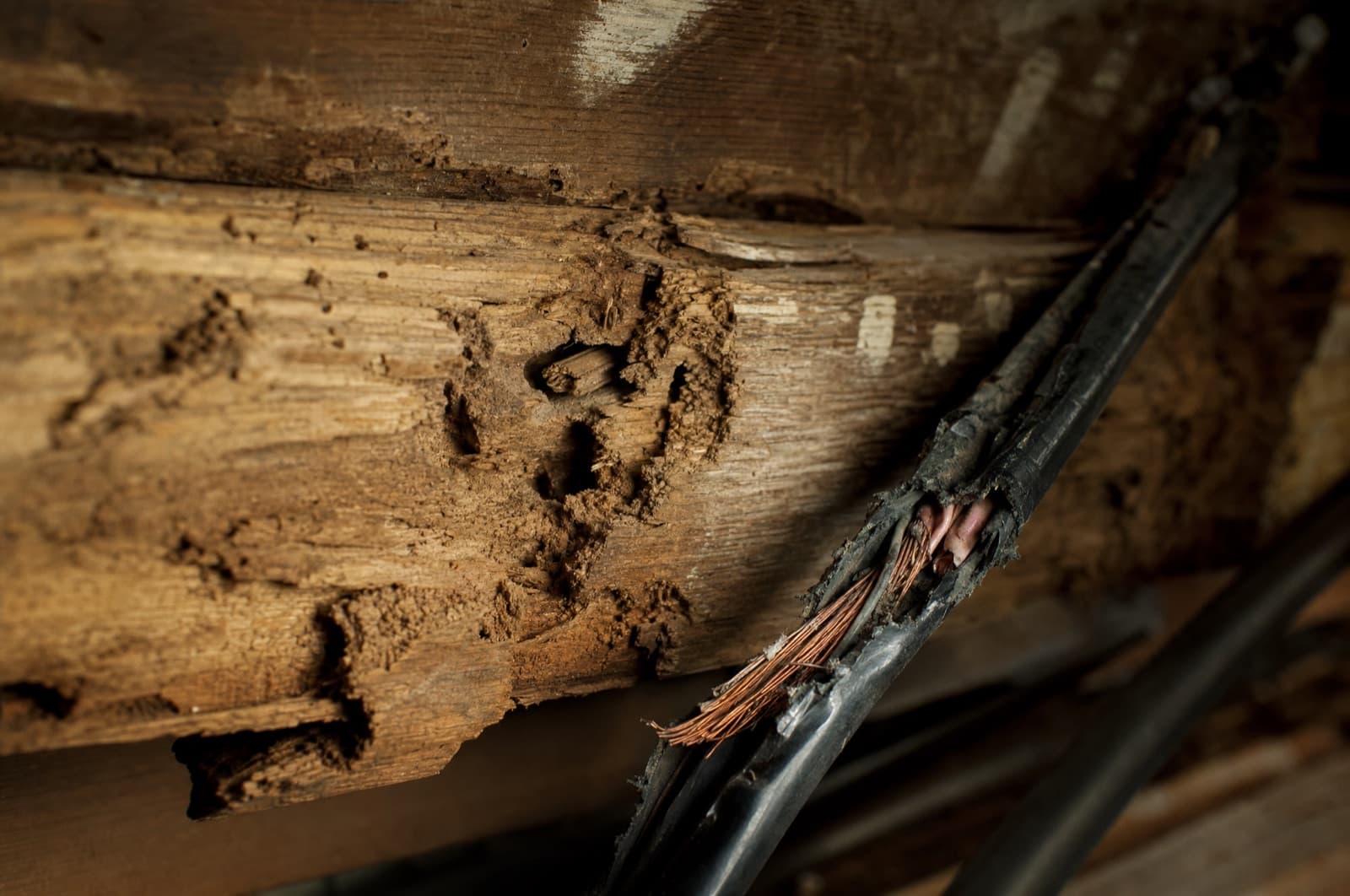
Pest damage evidence — a gnawed structural beam and a chewed electrical wire
Daniel Brady · NH-Licensed Pesticide Applicator · License #782664
Reviewed by Daniel Brady

Can raccoons tear up shingles or roof vents?

Structural damage — real and fast
Yes. Raccoons are physically strong and remarkably dexterous with their front paws, and they routinely pry open or tear roof vents, rip soffit panels and roof returns, dislodge flashing, and — especially a female seeking a maternity den — can tear straight through shingles and decking to reach an attic. An opening roughly the size of a grapefruit is enough. This is genuine, fast, destructive damage that opens the building envelope to water, and raccoons are also a primary Northeast rabies-vector species, so this isn't a DIY confrontation.

At a glance

  • Can it?: Yes
  • How common: Routine
  • Hype: About right
  • Evidence: Well documented
The honest answer

The short of it

The verdict
Structural damage — real and fast

Yes — raccoons are strong and dexterous enough to pry open roof vents, tear soffits, and in determined cases rip through shingles and decking to reach an attic, sometimes in a single night. This is one of the few claims in this hub where the fear is largely earned.

The correction

What they claim vs. what the evidence supports

One shared severity track, two markers. The span between them is the hype delta — named out loud.

The claim — raccoons tearing up roof shingles, vents, and other roofing components to get inside

That raccoons routinely tear a roof apart to get in — shredding shingles across a whole section, wrecking vents and flashing wholesale — framing every raccoon as maximally destructive.

Where the claim comes from: Wildlife-removal marketing, which leans on the most dramatic entry photos to justify an urgent same-week service call.

Severity, 0–100
Hype says80
70Evidence says
The hype is fairWell documented
The evidence

Roof vent, soffit, and shingle tearing to gain entry is genuinely well documented — raccoons are strong enough and dexterous enough to pry open lightly fastened roofing components, and a motivated female can breach one in a single night. The honest nuance is that severity varies a lot by individual animal: some tear a wide hole through decking, and some barely disturb more than the vent they used.

The gap

There's very little gap to publish here. Raccoon roof entry is one of the pages in this hub where the internet's fear and the evidence actually agree — the only honest correction is that not every raccoon leaves the same amount of wreckage behind.

Damage assessment

What is actually harmed

Damage verdict
Structural damage — real and fast
StructuralCan it?Yes
The specimen
Pest
Raccoons (Procyon lotor)
What is in question
Roof, soffit, and gable vents; soffit panels and fascia/roof returns; flashing; shingles and roof decking directly over an entry point
How common
Routine
Evidence
Well documented
Mechanism

Raccoons combine real physical strength with unusually dexterous front paws — closer to hands than paws — which let them grip, pry, and pull at roofing components most wildlife can't manipulate. A vent cover, a loose soffit seam, or a weak spot in flashing gives them a place to start, and a determined animal, especially a female seeking a maternity den, will work at it nightly until the opening is wide enough to fit through — sometimes in a single night. Where the material resists (intact, well-fastened shingles or decking), they exploit an existing weak point rather than tearing through solid, sound material from scratch.

Actually at risk5
  • Roof, soffit, and gable vents — the most common entry point
  • Soffit panels, fascia, and roof returns, especially lightly fastened aluminum or vinyl
  • Flashing seals around chimneys, vents, and roof valleys
  • Shingles and roof decking directly above the entry, in more determined breaches
  • Attic insulation and ductwork once the animal is inside
Not at risk — despite the myth3
  • Poured concrete and masonry — raccoons cannot breach cured concrete or block
  • Solid, properly fastened steel roofing panels and structural framing members away from the entry point
  • The house's structural frame at large — the raccoon is breaching one localized point to den, not consuming or weakening the building generally
Worst realistic case
A torn-open roof section with a maternity litter already denning inside, water beginning to find its way through the breach, and a contaminated attic that needs a wildlife specialist, a roofer, and a remediation crew, in that order, before anyone can safely use the space again.

Assessed from: NH Fish & Game (species, rabies-vector status); CDC (Baylisascaris/raccoon roundworm); wildlife-exclusion field literature on raccoon entry mechanics

The compounding clock

Does it get worse if you ignore it?

Over time
Compounds

Compounds fast — a raccoon can widen a roof opening within days, and every day it stays open is a day of water getting in behind it.

The timeline
3 stages
  1. DaysReversible

    A raccoon tests and prys at a vulnerable vent, ridge cap, or soffit seam. A determined animal — especially a denning female — can tear a grapefruit-sized entry open in a single night.

  2. WeeksReversible

    The opening widens with repeated nightly use; loosened shingles or decking around it give further, and rain begins finding its way past the breach into the insulation below.

  3. MonthsReversible

    An established den left unrepaired through a wet season means soaked insulation, a contaminated attic, and the start of decking or rafter rot if the hole isn't sealed and the space dried out.

What stops the clock
Confirming no kits are denning inside, excluding the raccoon(s), and having a roofer seal and repair the breach before the next significant rain.
Repair scope

Who actually fixes this

Scope, not dollars — the honest answer to “how expensive is it,” routed to the right trade.

Who fixes it
Wildlife / exclusion specialist
Effort
A project

A raccoon in a roof is a live-animal removal and exclusion job first — a licensed wildlife professional confirms there's no litter inside, removes the animal(s) safely, and installs a one-way exclusion device so it can't re-enter while repairs are made.

The right order
  1. 1
    Confirm no kits are denning inside before any exclusion begins
  2. 2
    Wildlife professional excludes the raccoon(s), typically with a one-way door
  3. 3
    Roofer repairs the torn vent, soffit, shingles, or decking
  4. 4
    Remediation addresses any contaminated insulation or latrine material left behind
Route by symptom
  • Rooferthe entry has already torn through shingles or decking and needs structural roofing repair
  • Qualified remediationa latrine or heavily soiled insulation is found once the animal is out
Do not
  • Don't try to trap, corner, or remove a raccoon yourself — a denning animal can be aggressive, and raccoons are a rabies-vector species
  • Don't seal an entry point until a wildlife professional confirms no kits are trapped inside — sealing over a litter is both inhumane and creates a worse problem
Where we help — and where we don't

Removing the raccoon and repairing the roof are both outside Anchor's lane — that's a wildlife-exclusion specialist and a licensed roofer, not pest control, and we'll say so plainly rather than quote you for either. Where Anchor genuinely helps is general perimeter pest defense once the wildlife and structural sides are resolved.

Health risk

The health angle

Rabies — raccoons are one of the Northeast's primary rabies-vector species — and raccoon roundworm (Baylisascaris procyonis), a parasite carried in raccoon droppings.

See a doctor or vet
Who is at risk
  • Anyone bitten or scratched by a raccoon
  • Anyone who handles attic insulation, latrine material, or debris from a raccoon entry point without protection
  • Pets that corner or fight with a raccoon
Precautions
  • Never approach, corner, or attempt to handle a raccoon yourself
  • Keep pets current on rabies vaccination
  • Don't touch or disturb a raccoon latrine or heavily soiled insulation near an entry point
Do not
  • Don't attempt to trap or handle a raccoon without a licensed wildlife professional
  • Don't dry-sweep or vacuum droppings near an entry point — this can stir up contamination
When to seek care

Any bite or scratch from a raccoon warrants immediate medical attention and a report to NH Fish & Game. Discuss any suspected exposure to droppings or contaminated attic material with a doctor.

Health guidance from: CDC — About Raccoon Roundworm; NH Fish & Game — Rabies precautions

In depth

The full picture

01

Why raccoons can do this and most wildlife can't

The mechanism that sets raccoons apart from squirrels, chipmunks, and birds is their front paws. They're closer to hands than paws — with long, sensitive digits capable of gripping, prying, and manipulating in a way that lets a raccoon do real work on a roof vent cover, a loose soffit seam, or a weak spot in flashing. Combine that dexterity with genuine physical strength, and a vent cover that would defeat a squirrel is a five-minute problem for a raccoon.

A grapefruit-sized gap is generally all a raccoon needs to fit through, and a motivated animal — especially a female seeking a warm, dry, elevated, predator-free place to raise young — can turn a small weak point into a full entry hole in a single night. This isn't slow, incidental wear. It's targeted, repeated effort at one spot until it gives.

02

What actually tears, and what genuinely doesn't

The honest list of what's at risk starts at the roofline: vents, soffit panels, fascia and roof returns, and flashing seals are the most common casualties, because they're built lighter than the roof deck itself and are the easiest places to get a grip. In more determined breaches — most often a denning female — raccoons will tear through shingles and even decking directly over the point they've chosen.

What doesn't happen is anything close to the raccoon breaching the building's structural frame at large, or getting through poured concrete, masonry, or solid, properly fastened steel. The damage is real but localized: one opening, expanded and exploited, not a general assault on the house.

03

Why this is one of the pages where the fear is fair

Most of this hub exists to correct inflated claims. This isn't one of those pages. Raccoon roof entry really is fast, and it really is destructive — the internet's severity rating and the evidence's severity rating land close together. The one place the hype overshoots is treating every raccoon as equally destructive: individual animals vary widely, and some entries are surprisingly contained.

The other honest reason not to soften this page is health. Raccoons are a documented rabies-vector species in New Hampshire, and raccoon feces can carry Baylisascaris procyonis (raccoon roundworm) — real, named risks that belong on this page rather than a vague reference to 'diseases.' Neither is a reason to panic, but both are reasons to route the animal to a wildlife professional rather than a ladder and a good attitude.

Key takeaways
5 points
  • Yes — raccoons genuinely tear roof vents, soffits, flashing, and in determined cases shingles or decking to get inside, sometimes in a single night.
  • This is one of the honest 'about_right' pages in the hub — the fear here largely matches the evidence.
  • The damage is localized to the entry point and the roof envelope, not a general assault on the house's structural frame.
  • Raccoons are a rabies-vector species and can carry raccoon roundworm — health risks worth naming plainly, not vaguely.
  • The fix is sequential: confirm no kits, exclude the animal, then repair the roof — never repair before the animal is genuinely gone.
New Hampshire context

Raccoon roof entry in New Hampshire

Raccoon activity around southern and central New Hampshire homes rises in spring as females seek maternity dens and again in fall as animals look for winter shelter. NH Fish & Game and NH DHHS both track raccoons among the state's confirmed rabies-vector species, so a raccoon that's acting unusually bold, disoriented, or aggressive near a home should be treated as a health and safety matter, not just a property one — keep pets and children away and contact a wildlife professional rather than approaching it.

  • NH-licensed #782664

    Southern New Hampshire

  • Family-owned

    Since 2017

  • Honest routing

    Even when it isn’t us

We serve these communities

ManchesterNashuaConcordDerryBedfordSalemHudsonAmherstAuburnGoffstownHooksettLitchfieldLoudonMilfordBristol

Service Area Map

Southern New Hampshire

BristolPop. 3,200LoudonPop. 5,500ConcordPop. 43,900HooksettPop. 14,800GoffstownPop. 18,000AuburnPop. 5,700ManchesterPop. 115,600BedfordPop. 23,300LitchfieldPop. 8,500AmherstPop. 11,300DerryPop. 34,500MilfordPop. 15,700HudsonPop. 25,600NashuaPop. 91,100SalemPop. 30,000HQCityHover for info

A raccoon on the roof isn't an Anchor call — but the rest of your perimeter might be.

We'll route you to a wildlife specialist and a roofer, honestly, and handle the general pest defense that's actually our lane.

Follow-up questions

Frequently asked

Sources & citations(3)
  1. NH Fish & Game — Public reminded about rabies and other disease precautions

    Raccoons as a primary NH rabies-vector species

    govverified 2026-07-16
  2. CDC — About Raccoon Roundworm (Baylisascaris)

    Raccoon roundworm risk and transmission via droppings

    govverified 2026-07-16
  3. NH DHHS — Zoonotic Diseases (Animal to Human)

    NH rabies exposure guidance and vector species

    govverified 2026-07-16

Written & reviewed by

Verified

Daniel Brady

NH-Licensed Pesticide Applicator · License #782664 (NHDAMF, RSA 430)

Daniel Brady is the New Hampshire–licensed applicator behind Anchor Pest Services, a family-owned pest control company serving the Manchester area since 2017.

Verify license

Last updated Jul 2026

Honest pest help for New Hampshire homes

We Won't Pretend to Handle Wildlife or Roofing.

A raccoon tearing into your roof needs a licensed wildlife professional first and a roofer second — neither is an Anchor service, and we'd rather tell you that than take a call we can't finish. What Anchor Pest Services genuinely does is general pest exclusion and perimeter defense across southern and central New Hampshire. Family-owned since 2017, NH license #782664.

  • Honest advice — we route you to the right trade, even when it isn't us
  • NH-licensed applicators (#782664) — free inspection, same-day service
  • General pest exclusion and perimeter defense across southern and central New Hampshire

NH License #782664 · No obligation · We answer in person