
Skip to content
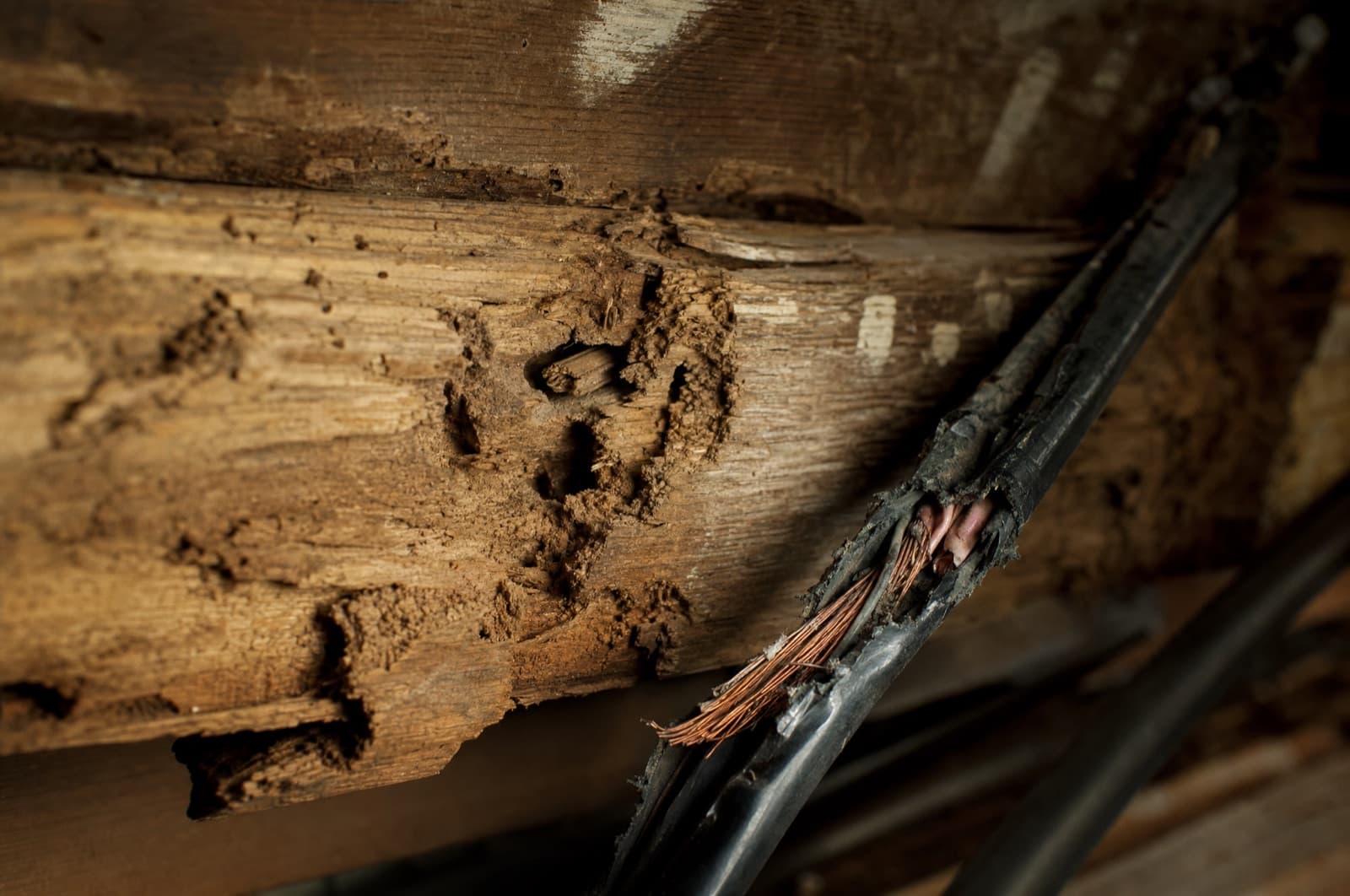
Pest damage evidence — a gnawed structural beam and a chewed electrical wire
Daniel Brady · NH-Licensed Pesticide Applicator · License #782664
Reviewed by Daniel Brady

Can snails and slugs ruin vegetable gardens?

Functional damage to seedlings and leafy crops — real, with limits
Yes, but with limits. Slugs, and less often snails, can consume entire seedlings, rasp large ragged holes through leaves, and scar fruit like tomatoes and strawberries — genuinely capable of wiping out a young or leafy-greens planting during a cool, wet stretch. On established, healthy plants, the same level of feeding is usually cosmetic and doesn't threaten survival. In New England gardens, slugs, not snails, are the far more common plant damager. This is a garden problem to solve with cultural controls, not a household pest-control or health issue.

At a glance

  • Can it?: Yes, but
  • How common: Routine
  • Hype: Overstated
  • Evidence: Well documented
The honest answer

The short of it

The verdict
Functional damage to seedlings and leafy crops — real, with limits

Yes, but with real limits — slugs (more than snails, in New England) can consume whole seedlings and make leafy greens unmarketable in a cool, wet stretch, but established, healthy plants usually tolerate the same feeding without dying.

The correction

What they claim vs. what the evidence supports

One shared severity track, two markers. The span between them is the hype delta — named out loud.

The claim — slugs and snails destroying a vegetable garden

That slugs and snails can destroy an entire vegetable garden overnight, framing them as an unstoppable overnight menace to any home garden.

Where the claim comes from: Gardening media and general home-and-garden content that dramatizes overnight damage without distinguishing seedlings from established plants.

Severity, 0–100
Hype says60
40Evidence says
Hype delta20point gapWell documented
The evidence

The damage is real and sometimes serious, but bounded. Per UMass Extension, heavy slug feeding 'can cause injury and mortality in seedlings' and can render leafy greens and fruit 'unmarketable' — a genuine crop-loss risk specifically for seedlings and leafy crops. But established plants generally tolerate ordinary feeding pressure, and slug activity is heavily moisture-driven, easing substantially once conditions dry out.

The gap

Overstated by degree, not by kind. The seedling and leafy-green threat is genuinely real in a wet year — that part of the warning holds up. What's overstated is the 'destroys the whole garden' framing, which ignores that mature plants recover and that dry weather ends an active slug population on its own.

Damage assessment

What is actually harmed

Damage verdict
Functional damage to seedlings and leafy crops — real, with limits
FunctionalCan it?Yes, but
The specimen
Pest
Garden slugs (primarily; true snails are less common as plant damagers in New England gardens)
What is in question
Seedlings, leafy greens, and soft ripening fruit in home vegetable gardens
How common
Routine
Evidence
Well documented
Mechanism

Slugs feed with a rasping, tongue-like structure called a radula, which shreds plant tissue into irregular holes rather than cutting it cleanly. On seedlings, this feeding can consume the entire above-ground plant in a single feeding session, killing it outright. On larger, established plants, the same feeding produces ragged holes in leaves and can scar the surface of ripening, soft, low-hanging fruit like strawberries and tomatoes. Slime trails left behind also mark and can contaminate produce, and the wounds they leave can open the plant to secondary rot.

Actually at risk4
  • Tender seedlings, which can be entirely consumed and killed in a single heavy feeding session
  • Leafy greens such as lettuce, basil, and cabbage, where feeding can render the crop unmarketable in a bad year
  • Hosta and other soft-leaved ornamentals grown alongside vegetables
  • Ripening, low-hanging soft fruit like strawberries, which can be scarred and opened to rot
Not at risk — despite the myth4
  • The survival of established, healthy plants under light-to-moderate feeding — mature plants generally tolerate and outgrow ordinary slug damage
  • Woody plant structure — slugs feed on soft tissue, not bark or stems of any real thickness
  • Human health — slugs and snails carry no disease risk of consequence to a home gardener handling plants normally
  • Your home's structure — this damage is confined entirely to the garden bed
Worst realistic case
Failure to establish a seedling crop, or unmarketable leafy greens and scarred fruit, during an unusually cool and wet stretch of the growing season. That's a genuine, disappointing loss for the specific planting — it is not the death of an established garden or landscape.

Assessed from: UMass Extension (Slugs, vegetable fact sheet); University of Maryland Extension (Slugs and Snails — Vegetables); University of Minnesota Extension; Rutgers NJAES FS397

The compounding clock

Does it get worse if you ignore it?

Over time
Self-limiting — it ends

Self-limiting and moisture-driven — pressure builds in cool, wet weather and falls off on its own once conditions dry out.

The timeline
3 stages
  1. WeeksReversible

    During a cool, wet spring stretch, slug activity and feeding increase noticeably, and vulnerable seedlings or leafy greens show the first ragged holes and slime trails.

  2. One seasonReversible

    Feeding pressure peaks during the wettest part of the growing season and then declines on its own as the weather dries out, from spring through first frost.

  3. YearsReversible

    Populations rise and fall year to year with rainfall and garden debris levels, but there is no cumulative worsening trend from one season to the next in an ordinary home garden.

What stops the clock
Reducing moisture and harborage (raised beds, morning watering instead of evening, clearing debris and boards where slugs shelter by day), hand-picking or trapping at night, and iron-phosphate bait applied around vulnerable plantings. Dry weather ends an active population on its own.
Repair scope

Who actually fixes this

Scope, not dollars — the honest answer to “how expensive is it,” routed to the right trade.

Who fixes it
You — a DIY patch
Effort
An afternoon

This is garden cultural control, not a repair or a pest-control service — reducing moisture and harborage, and protecting or replanting seedlings when damage actually appears, is the entire honest fix for a home vegetable garden.

The right order
  1. 1
    Confirm slugs via slime trails and night scouting with a flashlight, since daytime holes are just as often earwigs or caterpillars
  2. 2
    Reduce moisture and daytime harborage: water in the morning rather than evening, and clear boards, mulch piles, and debris where slugs shelter
  3. 3
    Protect vulnerable seedlings directly (barriers, copper tape, or replanting) and use iron-phosphate bait around the worst-affected beds if feeding is heavy
Route by symptom
  • Nobody — nothing to repairDamage is light and plants are established — often nothing beyond routine garden observation is needed at all
Do not
  • Don't use salt, vinegar, or boiling water directly on garden plants to kill slugs — extension sources note this also damages the plants themselves
  • Prefer iron-phosphate bait over metaldehyde-based products where pets or wildlife are a concern; for any pet ingestion of bait, contact the ASPCA Animal Poison Control Center at 888-426-4435 or the Pet Poison Helpline at 855-764-7661
Where we help — and where we don't

This is genuinely not an Anchor job — slug and snail feeding is a horticulture matter, not structural or household pest control. Route it to UNH Cooperative Extension or a local garden center for plant-specific advice.

In depth

The full picture

01

What slugs actually do to a vegetable garden

Slugs feed using a radula, a rasping tongue-like structure that shreds plant tissue rather than cutting it cleanly, which is why their damage looks like large, ragged holes rather than the neat bites of a chewing insect. On a young seedling, that feeding can be total — a slug can consume an entire small plant in a single night, and per UMass Extension, heavy feeding genuinely 'can cause injury and mortality in seedlings.' On leafy greens like lettuce, cabbage, and basil, the same feeding can leave a crop cosmetically ruined enough to be, in UMass Extension's own words, 'unmarketable' — a real loss if you were growing for the table or for sale.

02

Why the 'destroys the whole garden' version is overstated

The genuine seedling and leafy-green risk is real, but it doesn't extend the way blanket garden-media warnings suggest. Established, healthy plants with some size and root reserves behind them generally tolerate ordinary slug feeding — a few ragged leaf holes on a mature tomato plant or established perennial rarely threatens its survival the way the same feeding would threaten a two-week-old seedling. The distinction between a seedling and an established plant is the entire difference between a genuine crop-loss risk and a purely cosmetic nuisance.

03

Why this is a weather story as much as a pest story

Slug activity tracks moisture closely. Cool, wet stretches of the growing season are when populations build and feeding damage peaks; dry conditions slow slugs down and reduce feeding pressure on their own, without any intervention needed. That makes this one of the more genuinely self-limiting problems in this hub's yard-and-garden cluster — the clock that's ticking during a wet spring largely stops ticking once the weather dries out.

04

Why this stays a garden question, not a pest-control one

Everything slugs and snails damage is plant tissue in the garden bed — seedlings, leaves, and ripening fruit. None of it touches your home's structure, wiring, or plumbing, and slugs and snails carry no meaningful disease risk to a home gardener handling plants normally. The right resource for a real slug problem is UNH Cooperative Extension or a local garden center, who can advise on the specific crops affected and the cultural controls (moisture management, barriers, iron-phosphate bait) that actually work — not a pest-control treatment plan.

Key takeaways
5 points
  • Yes, but with limits — slugs can consume whole seedlings and ruin leafy greens or soft fruit in a cool, wet stretch.
  • Established, healthy plants generally tolerate the same feeding without dying; the real risk concentrates on seedlings and leafy crops.
  • In New England gardens, slugs (not snails) are the main plant damager.
  • Slug pressure is moisture-driven and largely self-limiting — it falls off on its own once conditions dry out.
  • This is horticulture, not pest control — UNH Cooperative Extension and garden centers are the right resource, not a treatment plan.
New Hampshire context

Damp NH springs are peak slug season

Southern and central New Hampshire's cool, often wet spring weather creates exactly the conditions slugs thrive in, which is why seedling and leafy-green losses tend to cluster in that early part of the growing season rather than during the drier stretches of mid-to-late summer. Raised beds, morning watering, and keeping mulch pulled back from seedling stems are all practical steps that matter most during this specific window.

As the season dries out through summer and heads toward Manchester's first hard frost, historically around October 19 to 29, slug activity typically declines on its own — a pattern worth keeping in mind before committing to heavier intervention for a problem that weather may resolve regardless.

  • NH-licensed #782664

    Southern New Hampshire

  • Family-owned

    Since 2017

  • Honest routing

    Even when it isn’t us

We serve these communities

ManchesterNashuaConcordDerryBedfordSalemHudsonAmherstAuburnGoffstownHooksettLitchfieldLoudonMilfordBristol

Service Area Map

Southern New Hampshire

BristolPop. 3,200LoudonPop. 5,500ConcordPop. 43,900HooksettPop. 14,800GoffstownPop. 18,000AuburnPop. 5,700ManchesterPop. 115,600BedfordPop. 23,300LitchfieldPop. 8,500AmherstPop. 11,300DerryPop. 34,500MilfordPop. 15,700HudsonPop. 25,600NashuaPop. 91,100SalemPop. 30,000HQCityHover for info

This one's a garden question, not a pest control one.

Slug feeding on vegetables is a horticulture matter — UNH Cooperative Extension and your local garden center are the right call.

Follow-up questions

Frequently asked

Sources & citations(4)
  1. UMass Extension — Slugs (vegetable fact sheet)

    Slug feeding damage to seedlings and leafy crops, including mortality and unmarketable produce

    extensionverified 2026-07-16
  2. University of Maryland Extension — Slugs and Snails: Vegetables

    Feeding pattern on seedlings and fruit, and management approach

    extensionverified 2026-07-16
  3. University of Minnesota Extension — Slugs in Home Gardens

    Host plants and the distinction between cosmetic and severe feeding

    extensionverified 2026-07-16
  4. Rutgers NJAES, FS397 — Slugs and Snails in the Vegetable Garden

    Cultural management practices and iron-phosphate bait guidance

    extensionverified 2026-07-16

Written & reviewed by

Verified

Daniel Brady

NH-Licensed Pesticide Applicator · License #782664 (NHDAMF, RSA 430)

Daniel Brady is the New Hampshire–licensed applicator behind Anchor Pest Services, a family-owned pest control company serving the Manchester area since 2017.

Verify license

Last updated Jul 2026

Honest pest help for New Hampshire homes

We'll Tell You When It's Not Our Job.

Slug and snail damage to vegetable gardens is a horticulture issue, not a structural or household pest problem — we won't sell you a treatment plan for it. If pests are also a problem inside your home, Anchor Pest Services genuinely helps with that. Family-owned since 2017, NH license #782664, serving Manchester, Nashua, Concord and nearby towns.

  • Honest advice — we route garden and plant-health questions to UNH Extension and garden centers
  • NH-licensed applicators (#782664) — free inspection, same-day service
  • Household and structural pest control across southern and central New Hampshire

NH License #782664 · No obligation · We answer in person