
Skip to content
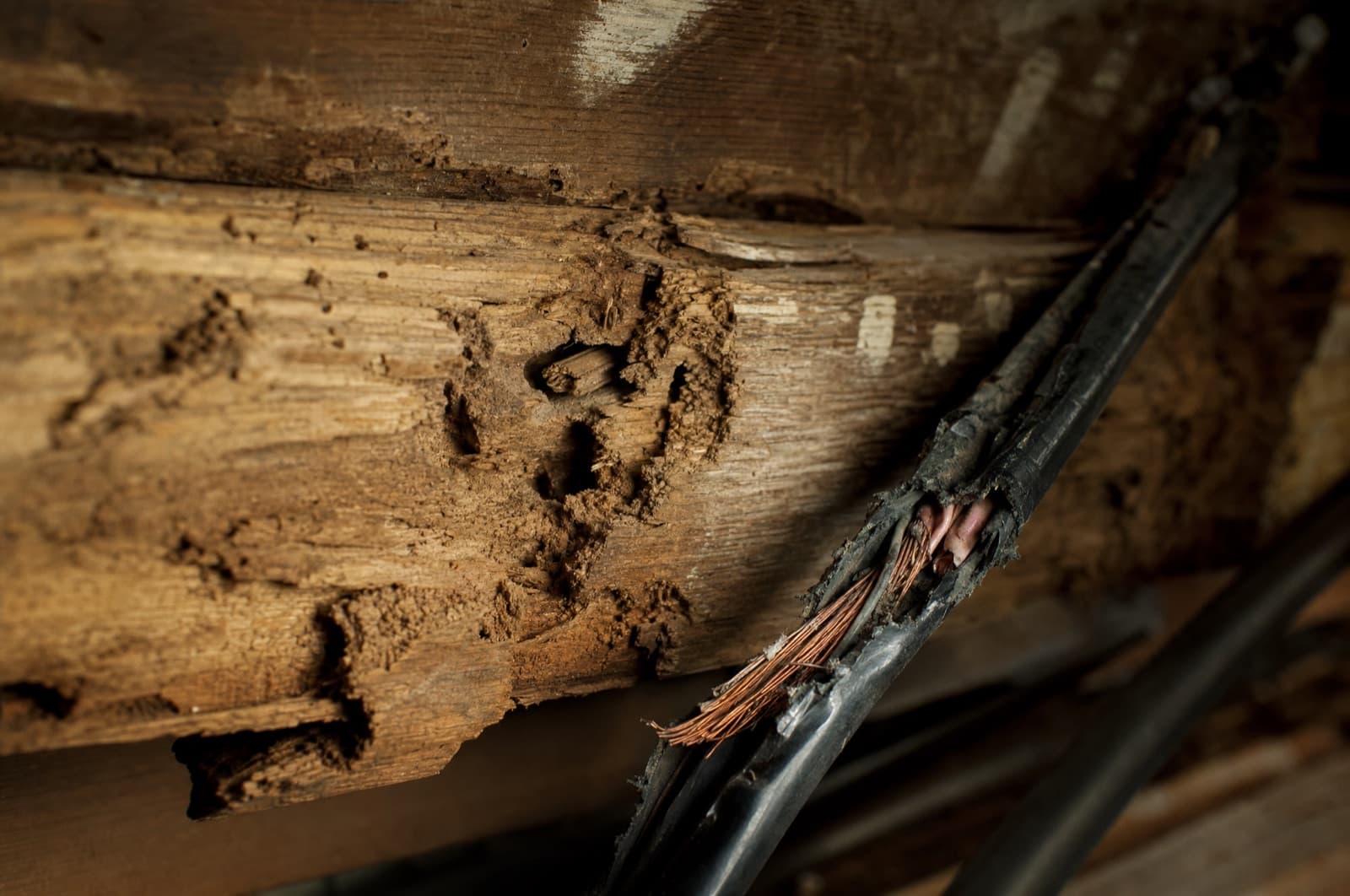
Pest damage evidence — a gnawed structural beam and a chewed electrical wire
Daniel Brady · NH-Licensed Pesticide Applicator · License #782664
Reviewed by Daniel Brady

Why do pests gnaw through sealed containers?

Functional damage to the container — a fixable storage-choice problem, not an unstoppable pest
Rodents breach "sealed" containers for two combined reasons: they can smell food or other attractants right through most consumer plastic, and their incisors grow continuously and must be worn down regardless of what's inside, so an accessible edge on a bin lid is fair game either way. The key honest fact is that standard "airtight" snap-lid plastic is soft enough for a rodent to chew through and doesn't actually contain odor well enough to go unnoticed — it was never designed to be rodent-proof, just moisture- and pest-resistant in the ordinary sense. Rigid metal tins, thick glass jars, and true rodent-proof storage solve the problem outright, because a rodent that can't smell the contents and can't get a purchase on the material has nothing to start gnawing on.

At a glance

  • Can it?: Yes
  • How common: Routine
  • Hype: About right
  • Evidence: Well documented
  • 5.5 Mohs

    Hardness of rodent incisor enamel — enough to shear snap-lid plastic, but not smooth rigid metal or glass

    ratbehavior.org

The honest answer

The short of it

The verdict
Functional damage to the container — a fixable storage-choice problem, not an unstoppable pest

Rodents gnaw into 'sealed' containers because they can smell what's inside through the plastic, and because their teeth are always working anyway. Standard snap-lid plastic isn't rodent-proof — but metal and glass genuinely stop them.

The correction

What they claim vs. what the evidence supports

One shared severity track, two markers. The span between them is the hype delta — named out loud.

The claim — rodents defeating "sealed" or "airtight" storage containers

That nothing keeps a determined rodent out of stored food — that sealed containers are essentially a false sense of security and no ordinary storage solution can stop them.

Where the claim comes from: Pest-control blog copy and viral posts describing rodents as unstoppable, often without distinguishing between different container materials.

Severity, 0–100
Hype says55
45Evidence says
The hype is fairWell documented
The evidence

Soft consumer plastic genuinely fails against rodents, and extension sources describe rodents gnawing into materials of "comparable hardness" to what their incisors can already shear — which includes most snap-lid storage bins. But rigid metal and glass are a different story entirely: rodent incisor hardness (about 5.5 on the Mohs scale) is real, but the mechanism also requires an edge or rough spot to get started on, and a smooth, hard metal tin or glass jar gives a rodent nothing to work with. The honest picture is a container-material problem with a genuine, well-established solution, not an unstoppable pest.

The gap

They really do defeat cheap 'airtight' plastic bins — that part is fair. But framing it as an unstoppable superpower goes too far in the other direction; it's a container-choice problem, and metal or glass solves it completely.

Damage assessment

What is actually harmed

Damage verdict
Functional damage to the container — a fixable storage-choice problem, not an unstoppable pest
FunctionalCan it?Yes
The specimen
Pest
House mice, Norway rats, and roof rats
What is in question
Plastic food-storage bins, bags, and pet-food containers; the stored contents themselves
How common
Routine
Evidence
Well documented
Mechanism

Two things combine to defeat a plastic container. First, rodents have acute olfaction and can detect food odor diffusing through or around the seal of most consumer plastic, giving them a reason to target a specific container rather than gnawing at random. Second, gnawing is obligate: a rodent's incisors are rootless and grow continuously, so an accessible edge, seam, or corner on a bin lid gets worked on regardless of whether there's a specific smell driving it. Standard snap-lid plastic is soft enough to fall well within what a Mohs-5.5 incisor edge can shear, and it doesn't seal odor well enough to go unnoticed, so it fails on both fronts at once.

Actually at risk3
  • Standard snap-lid plastic bins and totes used for pantry or pet-food storage
  • Plastic bags, cardboard boxes, and thin food packaging generally
  • The stored contents themselves once a container is breached — contamination with droppings, urine, or hair makes food unsafe to eat
Not at risk — despite the myth3
  • Metal cans, tins, and thick rigid metal storage containers — smooth and hard with no edge for an incisor to start on
  • Glass jars with a proper lid seal — equally hard, smooth, and edgeless
  • Thick, rigid, high-density containers specifically rated as rodent-resistant, as distinct from ordinary flexible or low-density consumer plastic
Worst realistic case
A breached container and its contents contaminated with rodent droppings, urine, or hair, requiring the food to be discarded — a nuisance and a health precaution, not a structural or expensive repair.

Assessed from: ICWDM / eXtension (gnawing materials of comparable hardness, exclusion guidance); ratbehavior.org (incisor hardness); UNL Extension (food contamination with droppings/urine/hair)

Repair scope

Who actually fixes this

Scope, not dollars — the honest answer to “how expensive is it,” routed to the right trade.

Who fixes it
You — a DIY patch
Effort
Minutes

This is a storage-choice fix well within a homeowner's own hands — switching to rodent-proof containers solves the underlying problem directly, no trade or pest visit required for the container itself.

The right order
  1. 1
    Discard any food or stored goods that show signs of gnawing, droppings, or contamination
  2. 2
    Replace vulnerable plastic storage with metal tins or glass containers with a proper seal
  3. 3
    If rodents are active in the home more broadly, address that separately — a rodent-proof pantry doesn't end an active infestation
Route by symptom
  • Pest pro firstGnawed containers are one symptom of a broader active rodent presence in the home, not an isolated pantry issue
Do not
  • Don't consume food from a gnawed or soiled container — discard it and clean the surrounding area
  • Don't assume a thicker-looking plastic bin is automatically rodent-proof; rigidity and material matter more than apparent thickness
  • Don't rely on stacking or taping a compromised container shut as a permanent fix
Where we help — and where we don't

Swapping to rodent-proof storage is something you can do yourself today, with no pest visit needed. If the gnawed containers are a symptom of rodents actively living in your home, that's Anchor's lane, and we'll help you resolve the source rather than just the symptom.

In depth

The full picture

01

Smell finds the target; gnawing does the rest

Rodents have a genuinely acute sense of smell, and food odor diffuses through and around the seals of most consumer plastic far more readily than people assume. That's the first half of why a "sealed" bin gets targeted specifically rather than ignored: the rodent knows something is in there. The second half is that it doesn't actually need that motivation at all — a rodent's incisors are rootless and grow continuously throughout its life, so gnawing at any accessible edge, seam, or corner is an ongoing biological necessity independent of what's behind it. A bin lid with a slightly proud seam or a corner a rodent can get its teeth around is vulnerable whether or not there's food inside.

02

Why "airtight" plastic isn't rodent-proof

Consumer packaging marketed as "airtight" is engineered to keep out moisture, air, and insects at a scale that has nothing to do with a rodent incisor. Rodent incisor enamel sits around 5.5 on the Mohs scale — harder than iron and copper — and ordinary snap-lid plastic is well within what that edge can shear once the rodent has a seam or corner to start on. Extension sources describe rodents readily gnawing into materials of comparable hardness to what their teeth can already handle, which covers the vast majority of household plastic storage. The label "sealed" describes what the container keeps out under normal conditions; it says nothing about whether a motivated, biologically obligated gnawer can get through it.

03

What actually stops them — and it's simple

The honest solution here doesn't require anything exotic. Metal tins, cans, and thick glass jars with a proper seal are smooth, hard, and give a rodent's incisors no edge or rough spot to get started on — the same principle that keeps rodents out of a well-sealed exclusion point using steel or hardware cloth rather than foam or plastic. If specific stored items matter enough to protect completely — pet food, grains, valuable dry goods — switching them to rigid metal or glass containers solves the problem outright, rather than leaving you re-buying plastic bins the rodents chew back through.

Key takeaways
5 points
  • Rodents target sealed containers because they can smell the contents and because gnawing is an ongoing biological necessity, not just a response to hunger.
  • Standard "airtight" consumer plastic is not rodent-proof — it's soft enough for a rodent's incisors and doesn't contain odor well enough to go unnoticed.
  • Metal tins and glass jars with a proper seal genuinely stop rodents — smooth, hard, edgeless materials give them nothing to start on.
  • A breached container's contents should be discarded if contaminated with droppings, urine, or hair.
  • This is a container-choice fix a homeowner can make directly — it doesn't require a professional visit unless it's a symptom of a larger active infestation.

Gnawed pantry containers a sign of something bigger?

Anchor addresses active rodent presence in your home — the fix your storage containers alone can't provide.

Follow-up questions

Frequently asked

Sources & citations(3)
  1. Internet Center for Wildlife Damage Management / eXtension — Rodent Exclusion Methods

    Rodents gnawing materials of comparable hardness; exclusion-grade materials that resist gnawing

    extensionverified 2026-07-16
  2. ratbehavior.org — Rat Teeth

    Rodent incisor hardness (~5.5 Mohs) relative to common storage materials

    academicverified 2026-07-16
  3. UNL Extension — Controlling House Mice (G1105)

    Food contamination with rodent droppings, urine, and hair

    extensionverified 2026-07-16

Written & reviewed by

Verified

Daniel Brady

NH-Licensed Pesticide Applicator · License #782664 (NHDAMF, RSA 430)

Daniel Brady is the New Hampshire–licensed applicator behind Anchor Pest Services, a family-owned pest control company serving the Manchester area since 2017.

Verify license

Last updated Jul 2026

Honest pest help for New Hampshire homes

Better Storage Helps. Excluding the Rodents Solves It.

Switching to metal or glass storage is a simple fix you can do today. If gnawed containers are one symptom of an active rodent presence in your home, Anchor addresses the source directly. Family-owned since 2017, NH license #782664, serving Manchester, Nashua, Concord and nearby towns.

  • Honest advice — a rodent-proof pantry doesn't end an active infestation on its own
  • NH-licensed applicators (#782664) — free inspection, same-day service
  • Rodent exclusion across southern and central New Hampshire

NH License #782664 · No obligation · We answer in person