
Skip to content
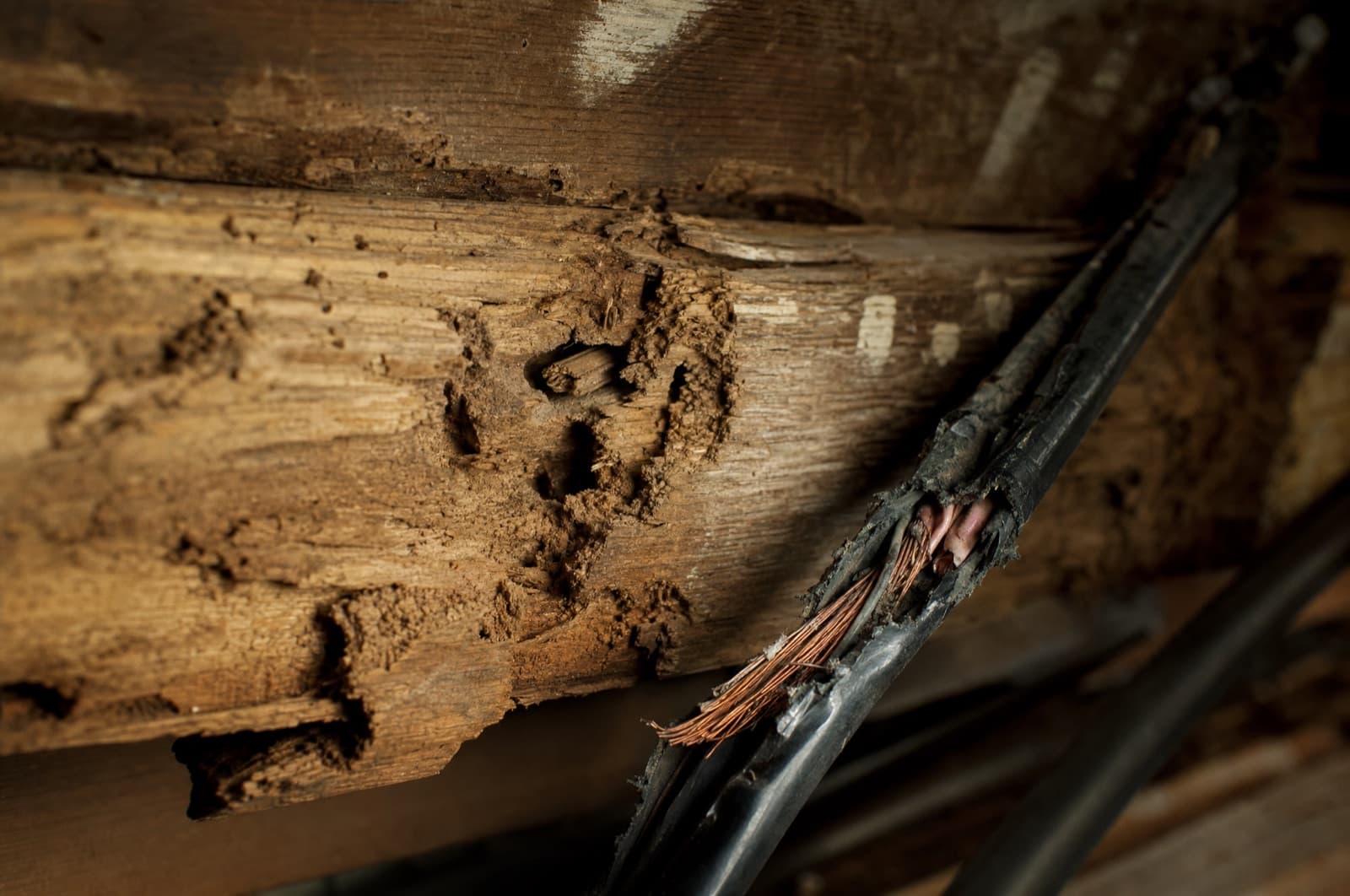
Pest damage evidence — a gnawed structural beam and a chewed electrical wire
Daniel Brady · NH-Licensed Pesticide Applicator · License #782664
Reviewed by Daniel Brady

Why do roaches hide in kitchen appliances?

Functional risk under heavy infestation — usually secondary to the harborage itself
German cockroaches gather in the motor housings and voids of refrigerators, dishwashers, ovens, microwaves, and toasters because these spots deliver warmth, moisture from condensation and drip pans, food debris in grease film, and tight, multi-surface contact their bodies are built to seek out. Aggregation pheromone in their droppings draws in more roaches over time, and appliance heat can even speed up egg-case development. A heavy, long-ignored population can foul components or block vents, but device destruction is the exception, not the rule — the far better-documented risk is cockroach allergen, a leading asthma trigger, especially in children.

At a glance

  • Can it?: Yes, but
  • How common: Occasional
  • Hype: Overstated
  • Evidence: Plausible, under-documented
The honest answer

The short of it

The verdict
Functional risk under heavy infestation — usually secondary to the harborage itself

Roaches hide in appliance motor housings for warmth, moisture, and grease — not to destroy them. Device damage is the rare exception; the better-documented risk is the allergen they leave behind.

The correction

What they claim vs. what the evidence supports

One shared severity track, two markers. The span between them is the hype delta — named out loud.

The claim — roaches destroying kitchen appliances and starting electrical fires

That roaches will destroy your appliances and cause electrical fires by living inside them.

Where the claim comes from: Pest-company and electronics-repair blogs that pair roach infestations with dramatic fire-risk warnings.

Severity, 0–100
Hype says65
35Evidence says
Hype delta30point gapPlausible, under-documented
The evidence

The harborage behavior is genuinely well documented — German cockroaches are thigmotactic and heat/moisture-dependent, and appliance motor housings are close to ideal shelter. Droppings, shed skins, and debris can foul components and block vents under a heavy infestation, and conductive residue can occasionally contribute to a malfunction. But cockroaches have no reason to chew wiring, and appliance destruction is an extreme, heavy-infestation ceiling, not a routine outcome.

The gap

The harborage behavior is real and well documented; the leap to "fire risk" and "destroyed appliance" is largely blog-sourced and rare — and it buries the genuinely well-documented risk hiding behind this question, which is the allergen roaches leave behind, not the device.

Damage assessment

What is actually harmed

Damage verdict
Functional risk under heavy infestation — usually secondary to the harborage itself
FunctionalCan it?Yes, but
The specimen
Pest
German cockroaches (Blattella germanica)
What is in question
Appliance motor housings, control boards, and voids in refrigerators, dishwashers, ovens, microwaves, and toasters
How common
Occasional
Evidence
Well documented
Mechanism

German cockroaches are thigmotactic — they seek cracks and voids that touch their bodies on multiple sides — and they are strongly warmth- and moisture-dependent; Purdue research shows males cannot survive longer than about three days without water. Appliance motor housings run warm around the clock, condensation and drip pans supply water, grease film and food debris supply nourishment, and fecal aggregation pheromone marks the harborage and draws in more roaches over time. Appliance heat can also speed up ootheca (egg case) development, which is part of why kitchens, and appliances specifically, become the epicenter of an infestation rather than a living room or bedroom.

Actually at risk3
  • Appliance cleanliness and function under a heavy, long-ignored infestation — fouled contacts, blocked vents
  • Food-contact surfaces the roaches travel across to and from the appliance
  • Indoor air quality, via cockroach allergen accumulating alongside the population
Not at risk — despite the myth3
  • The appliance itself under a light or newly established infestation
  • Wiring integrity — roaches have no nutritional reason to chew insulation, unlike rodents
  • The building's structure, which German cockroaches do not touch
Worst realistic case
A severe, long-ignored population fouling a motor or control board badly enough to need appliance service — a real repair, but still not a fire, and still the exception rather than the rule.

Assessed from: UC IPM Cockroaches; UK Entomology EF614; UF/IFAS ENY-989; NEJM Inner-City Asthma Study (1997); CDC cockroach allergen guidance

Repair scope

Who actually fixes this

Scope, not dollars — the honest answer to “how expensive is it,” routed to the right trade.

Who fixes it
Pest pro first
Effort
A trade visit

German cockroach harborage removal is squarely a pest-control job — targeted baiting and harborage treatment reach where consumer sprays and foggers can't — and only once the population is resolved does cleaning the appliance actually matter.

The right order
  1. 1
    Treat the roach population with targeted baiting and harborage treatment
  2. 2
    Clean and sanitize appliance exteriors and any accessible interior surfaces
  3. 3
    Have an appliance technician evaluate any device already showing actual malfunction
Route by symptom
  • You — wipe it upThe harborage is light and the appliance is functioning normally — cleaning grease and crumbs removes the food and moisture draw before it becomes a bigger population
Do not
  • Don't use bug bombs or foggers near or inside appliances — they scatter roaches rather than reaching the harborage, and can damage electronics in the process
  • Don't spray insecticide directly into a motor housing or control board
Where we help — and where we don't

German cockroach control is genuinely Anchor's lane. If an appliance is already malfunctioning, that's an appliance technician's repair — not ours, and we'll say so rather than quote you for it.

Health risk

The health angle

Cockroach allergen (Bla g 1 and Bla g 2), a well-documented asthma trigger, especially in children

Caution
Who is at risk
  • Children in homes with an active cockroach population
  • Anyone with asthma or a history of allergic respiratory symptoms
Precautions
  • Reduce clutter, food debris, and grease film that sustain a population near appliances
  • Clean appliance exteriors, crumb trays, and accessible surfaces regularly
  • Resolve the infestation itself rather than only cleaning around it
  • Vacuum and dust-control the kitchen while the population is being treated
Do not
  • Don't assume respiratory symptoms are unrelated to a known infestation
  • Don't rely on foggers or bug bombs as a substitute for treating the source population
When to seek care

See a doctor if a household member, especially a child, has ongoing or worsening asthma or allergy symptoms in a home with a known cockroach population — allergen exposure is a recognized, treatable contributor.

Health guidance from: NEJM Inner-City Asthma Study (1997); CDC Inner-City Environments and Mitigation of Cockroach Allergen

In depth

The full picture

01

Why appliances specifically, and not just the kitchen generally

German cockroaches are thigmotactic, meaning they actively seek out cracks and gaps that touch their bodies on multiple sides at once rather than open, exposed surfaces. A motor housing, a control panel void, or the gap behind a refrigerator's compressor delivers exactly that kind of tight, dark contact. Combine that preference with a hard biological constraint — Purdue research found German cockroach males cannot survive more than about three days without access to water — and appliance interiors become close to ideal shelter: warm around the clock, supplied with condensation from drip pans and seals, and rarely disturbed.

Food debris and grease film finish the picture. Grease accumulates on and around cooking appliances as a matter of course, and it's a genuine food source roaches don't have to travel far to reach. Once a few roaches establish themselves in a spot like this, their droppings release aggregation pheromone that actively signals "safe harborage" to other roaches nearby — which is why an appliance infestation tends to grow in place rather than disperse.

02

What a heavy infestation can actually do to a device

The honest answer sits between two extremes. It is not true that a few roaches in your dishwasher are quietly destroying it — a light or newly established population poses essentially no risk to the appliance's function. It is also not accurate to say cockroaches can't affect a device at all. In a severe, long-ignored infestation, accumulated droppings, shed skins, and body debris can foul electrical contacts, block ventilation, or contribute to a malfunction through conductive residue.

What cockroaches do not do is chew wiring insulation the way rodents do — insulation has no food value to a roach, so the specific claim that they "eat through" appliance wiring doesn't hold up. Device-level damage, when it happens, comes from fouling and debris accumulation, not gnawing, and it takes a genuinely heavy, sustained population to get there.

03

The bigger, better-documented story: allergen, not appliance

This is the piece pest and appliance blogs consistently bury. Cockroach allergen — specifically Bla g 1 and Bla g 2 — is one of the most rigorously documented indoor asthma triggers in the medical literature, with a landmark study in the *New England Journal of Medicine* linking cockroach allergen exposure to asthma morbidity in inner-city children. That risk accumulates in dust and debris wherever roaches are active, including in and around kitchen appliances, and it doesn't require a dramatic infestation to matter — ongoing low-level exposure is enough to be clinically relevant for a sensitized child or adult.

That's the honest priority order: the appliance is rarely the real casualty. The air in the kitchen, and the respiratory health of the people breathing it, is the documented risk worth acting on.

04

Why fogging makes this worse, not better

A common DIY response to roaches near appliances is a store-bought fogger or bug bomb, and it's worth naming plainly why that's counterproductive. Foggers disperse insecticide into open air, not into the tight cracks and voids where German cockroaches actually shelter — so they tend to scatter a population deeper into walls and appliance voids rather than eliminate it, while doing nothing for the harborage itself. Targeted baiting and crack-and-crevice treatment, aimed specifically at the voids roaches use, is the approach that actually works, and it's also gentler on the appliances themselves than spraying insecticide into a motor housing.

Key takeaways
5 points
  • Roaches shelter in appliances for warmth, moisture, food debris, and tight multi-surface contact — not to destroy the appliance.
  • German cockroach males can't survive more than about three days without water, which explains the pull toward condensation-rich appliance interiors.
  • Device-level damage is real but occasional, and requires a heavy, long-ignored population — it is the exception, not the rule.
  • The far better-documented risk is cockroach allergen (Bla g 1/Bla g 2), a leading asthma trigger, especially in children.
  • Foggers and bug bombs scatter roaches rather than reaching the harborage — targeted baiting is what actually works.

Roaches sheltering in your appliances? Treat the population, not just the symptom.

Anchor targets the actual harborage with baiting and crack-and-crevice treatment — not a fogger that just scatters them deeper into your kitchen.

Follow-up questions

Frequently asked

Sources & citations(6)
  1. NFPA Research — Home Fires Caused by Electrical Failure or Malfunction (R. Campbell, 2019)

    Arcing is the leading factor in home electrical-failure fires; no insect or roach factor appears in fire-cause data — the basis for grading the appliance-fire leap as blog-sourced rather than documented

    fireverified 2026-07-16
  2. UC IPM — Cockroaches

    Cockroach harborage, appliance colonization, and allergen risk

    extensionverified 2026-07-16
  3. University of Kentucky Entomology EF614 — Cockroach Elimination in Homes and Apartments

    Heat-generating equipment and appliance harborage; German cockroach water dependence

    extensionverified 2026-07-16
  4. UF/IFAS ENY-989 — Assessment-Based Pest Management of German Cockroaches

    Motor-housing and heat-driven harborage selection

    extensionverified 2026-07-16
  5. CDC Stacks — Inner-City Environments and Mitigation of Cockroach Allergen

    Cockroach allergen exposure findings in inner-city homes

    govverified 2026-07-16

Written & reviewed by

Verified

Daniel Brady

NH-Licensed Pesticide Applicator · License #782664 (NHDAMF, RSA 430)

Daniel Brady is the New Hampshire–licensed applicator behind Anchor Pest Services, a family-owned pest control company serving the Manchester area since 2017.

Verify license

Last updated Jul 2026

Honest pest help for New Hampshire homes

We Treat the Roaches. The Appliance Is Rarely the Real Risk.

German cockroaches shelter in appliances for warmth and moisture, not to destroy them — the well-documented risk is the allergen they leave behind. Anchor Pest Services targets the harborage directly with baiting and crack-and-crevice treatment. Family-owned since 2017, NH license #782664, serving Manchester, Nashua, Concord and nearby towns.

  • Honest advice — we name the real risk (allergen), not just the scary one (fire)
  • NH-licensed applicators (#782664) — free inspection, same-day service
  • German cockroach control across southern and central New Hampshire

NH License #782664 · No obligation · We answer in person