
Skip to content
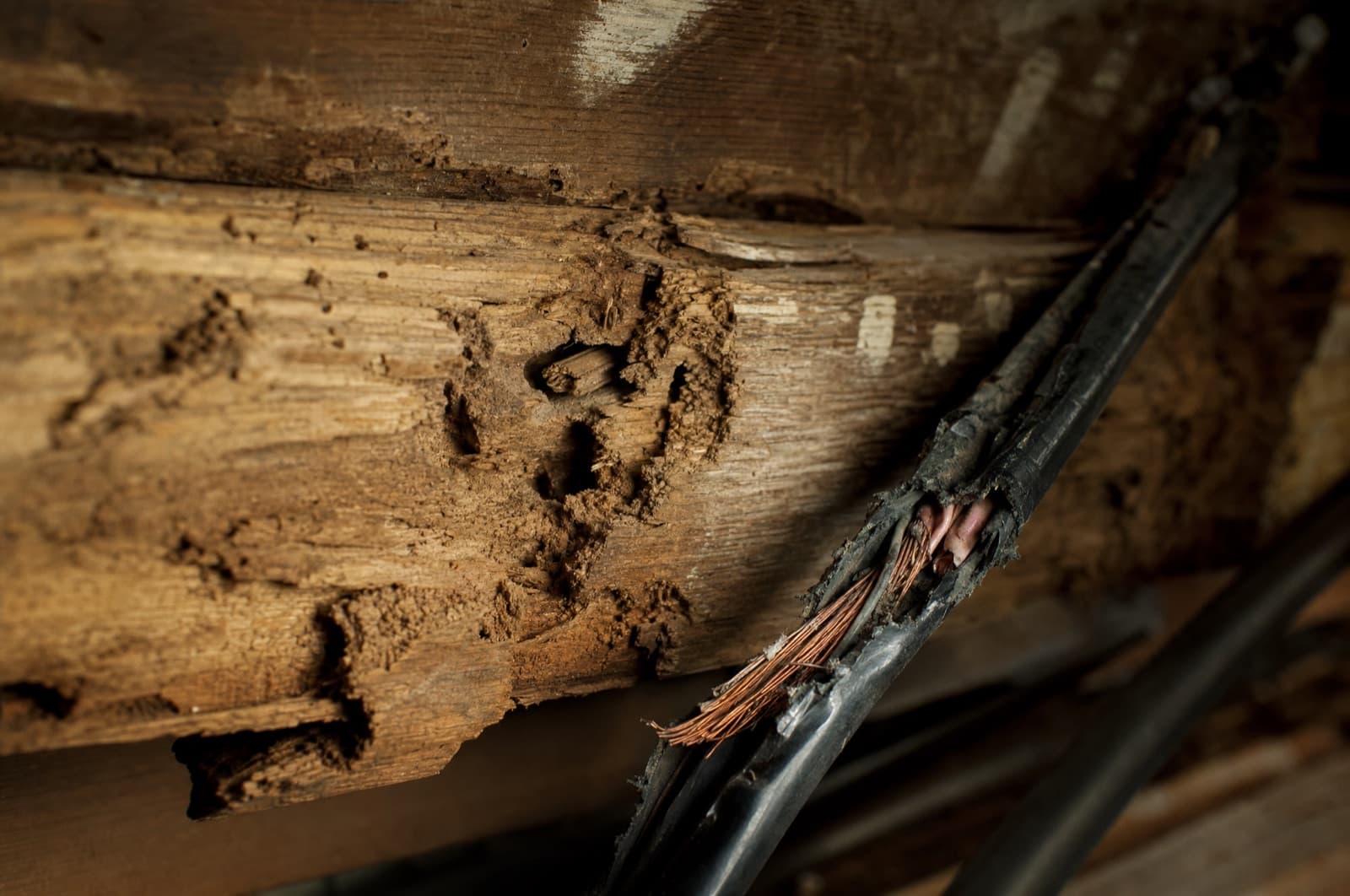
Pest damage evidence — a gnawed structural beam and a chewed electrical wire
Daniel Brady · NH-Licensed Pesticide Applicator · License #782664
Reviewed by Daniel Brady

Can roaches ruin electronics or appliances?

Functional damage — occasional, not routine
Sometimes. German cockroaches are drawn to the warmth and tight, dark voids inside microwaves, routers, game consoles, and appliance motor housings, and heavy infestations can foul contacts with droppings and shed skins or occasionally cause a malfunction. But device-destroying damage is the less common outcome, not the routine one. The far better-documented harm is health: cockroach allergen is a leading, extensively studied asthma trigger, especially for children, and it accumulates in a home whether or not a single appliance ever fails.

At a glance

  • Can it?: Yes, but
  • How common: Occasional
  • Hype: Overstated
  • Evidence: Plausible, under-documented
  • 36.8 percent

    Inner-city children in a landmark NEJM study sensitized to cockroach allergen

    Rosenstreich DL, Eggleston P, Kattan M, et al. — The Role of Cockroach Allergy and Exposure to Cockroach Allergen in Causing Morbidity among Inner-City Children with Asthma

  • 50.2 percent

    Bedrooms in that study with high cockroach-allergen levels in the dust

    Rosenstreich DL, Eggleston P, Kattan M, et al. — The Role of Cockroach Allergy and Exposure to Cockroach Allergen in Causing Morbidity among Inner-City Children with Asthma

The honest answer

The short of it

The verdict
Functional damage — occasional, not routine

Roaches can foul and occasionally disable household electronics by nesting in warm housings — but device failure is the exception, and the allergen they leave behind is the far bigger, better-documented harm.

The correction

What they claim vs. what the evidence supports

One shared severity track, two markers. The span between them is the hype delta — named out loud.

The claim — roaches causing malfunctions inside home electronics and appliances

Pest-control blogs commonly say roaches "destroy" or "fry" electronics and appliances, framing device failure as a routine and likely outcome of any infestation.

Where the claim comes from: Pest-company blog copy and generic home-maintenance listicles that favor a dramatic device-loss framing over the better-documented health story.

Severity, 0–100
Hype says70
40Evidence says
Hype delta30point gapPlausible, under-documented
The evidence

Roaches genuinely shelter and breed inside warm appliance voids — that harborage is common and well observed. Actual device malfunction from droppings, shed skins, or bodies fouling contacts does happen, especially in heavy, long-standing infestations, but it is the occasional outcome, not the routine one, and no systematic study measures how often an infestation actually disables a device. What is systematically measured, and considerably more serious, is cockroach allergen exposure: peer-reviewed research found over a third of studied inner-city children sensitized to cockroach allergen, and roughly half of studied bedrooms carrying high allergen levels in household dust.

The gap

Roaches genuinely live in your electronics for the warmth, and heavy infestations can foul or occasionally disable a device — but frying the appliance is the exception. The health angle the blogs bury, cockroach allergen as an asthma trigger, is the part with an actual measured number behind it.

Damage assessment

What is actually harmed

Damage verdict
Functional damage — occasional, not routine
FunctionalCan it?Yes, but
The specimen
Pest
German cockroaches (primarily); other roach species occasionally
What is in question
Household electronics and appliances — microwaves, routers, game consoles, refrigerator and dishwasher motor housings, small-appliance circuit boards
How common
Occasional
Evidence
Plausible, under-documented
Mechanism

German cockroaches are thigmotactic — they seek tight, warm, dark voids to hide and breed in, and an appliance housing is an ideal one. Once established, their droppings and shed skins can accumulate on and around circuit boards and contacts, and in heavy, sustained infestations that debris, along with the acidic content of droppings, can corrode contacts or bridge a connection enough to cause a malfunction. Roaches are not chewing or eating the electronics — the damage is fouling and corrosion, not consumption.

Actually at risk5
  • Microwave control panels and touch membranes
  • Routers, modems, and set-top boxes with ventilation gaps
  • Game consoles and other always-warm electronics
  • Refrigerator and dishwasher motor and relay housings
  • Small-appliance circuit boards with exposed contacts
Not at risk — despite the myth3
  • The building's electrical wiring or panel — roaches don't chew conductors the way rodents do
  • Large appliance motors and compressors, which are largely sealed and inaccessible
  • Structural wood, insulation, or framing — German roaches don't gnaw a house the way a rodent does
Worst realistic case
A fouled or corroded circuit board that fails and needs replacing, in a device that has hosted a heavy, long-standing infestation. Not a house full of ruined electronics.

Assessed from: NEJM 1997 (Rosenstreich et al.); NIH PMC4803579; NIH PMC8323288; CDC/ATSDR asthma triggers — for the allergen story; the harborage-to-device-failure mechanism is trade-documented rather than independently measured.

The compounding clock

Does it get worse if you ignore it?

Over time
Compounds

It compounds while the infestation grows — and the health exposure compounds faster than any device risk.

The timeline
3 stages
  1. WeeksReversible

    Roaches establish harborage in warm appliance voids; droppings and shed skins begin accumulating on nearby surfaces and contacts.

  2. MonthsReversible

    The population grows; allergen builds up in household dust, and fouled contacts occasionally cause intermittent glitches.

  3. One seasonPermanent

    In an untreated, heavy infestation, a board or connector can corrode enough to fail outright, and allergen levels in the home are now high enough to be a meaningful asthma trigger.

What stops the clock
Treating the roach population and sealing the entry points into appliance voids. Cleaning up droppings and shed skins afterward reduces the allergen load — it does not undo a board that has already failed.
Repair scope

Who actually fixes this

Scope, not dollars — the honest answer to “how expensive is it,” routed to the right trade.

Who fixes it
Pest pro first
Effort
A trade visit

The infestation is the actual problem — a fouled device is a symptom. Anchor treats German cockroaches; nothing you do to the appliance sticks while roaches keep moving back in.

The right order
  1. 1
    Anchor: treat and monitor the cockroach population, including harborage in and around appliances
  2. 2
    Homeowner: wipe down and vacuum affected surfaces (droppings, shed skins, egg cases) once the population is under control
  3. 3
    Appliance or electronics technician: diagnose and repair or replace a genuinely fouled or corroded board
Route by symptom
  • You — wipe it upThe fouling is limited to dust, droppings, and shed skins on an otherwise functioning device
  • You — a DIY patchYou want to seal a gap where roaches are entering an appliance housing
Do not
  • Don't spray insecticide directly into an appliance or electronics housing — treat the infestation, not the device
  • Don't ignore a heavy, long-standing infestation because the appliance still works — the allergen exposure doesn't wait for the device to fail
Where we help — and where we don't

Anchor treats the roach infestation — that's the fix that actually stops the fouling. We do not repair appliances or electronics; a device that's already failed needs a technician, not an exterminator.

In depth

The full picture

01

Why roaches move into your electronics in the first place

German cockroaches are thigmotactic — they're wired to seek out tight spaces where their bodies contact a surface on more than one side, and they strongly prefer warmth. A microwave's transformer, a router that never powers down, a refrigerator's compressor housing, and a game console under load are all small, dark, reliably warm voids, which makes them attractive real estate independent of any food source nearby.

This is also why the problem tends to show up in kitchens and entertainment centers before anywhere else in a house: those are the rooms with the highest concentration of always-on, heat-generating devices.

02

What actually happens to the device — and how often

Once roaches establish themselves inside a housing, their droppings and shed skins accumulate on and around circuit boards and contacts. In a heavy, long-running infestation, that debris — combined with the mildly acidic nature of roach droppings — can corrode a contact or bridge a connection enough to cause a malfunction. That is a real, documented mechanism.

What isn't documented is how often it actually happens. No independent study tracks the rate at which infested devices fail versus simply host roaches without incident, and the trade sources that describe the mechanism don't quantify its frequency. The honest answer is that device failure is a plausible, occasional outcome of a heavy infestation — not something that happens to every appliance a roach walks through.

03

The bigger story the blogs bury: cockroach allergen and asthma

The peer-reviewed literature on cockroaches and health is far more solid than the literature on cockroaches and appliances. A landmark study published in the New England Journal of Medicine found that 36.8 percent of studied inner-city children were sensitized to cockroach allergen, and 50.2 percent of their bedrooms had high levels of it in the dust. Subsequent NIH-reviewed research has found cockroach allergen present in the large majority of studied inner-city homes and identified it as a significant, independent risk factor for asthma morbidity.

That's the part of the roach story with an actual number behind it — and it's a health story, not a property-damage one.

04

Functional, occasional — not a fire, not routine device destruction

It's worth being precise about class of problem here. When roaches do disable a device, that's functional damage — a system stops working. It is not structural, and it is not the fire-risk story that belongs to rodents chewing wire insulation; roaches don't gnaw conductors, and nesting-related fouling is a different, much lower-consequence mechanism than an exposed, arcing wire.

So the honest read is: harborage is routine wherever roaches are established, device damage is occasional, and the health exposure from the allergen they leave behind is the risk most worth acting on regardless of whether a single appliance ever fails.

Key takeaways
5 points
  • Roaches shelter in warm appliance voids for the heat — this is common, normal roach behavior, not deliberate destruction.
  • Device malfunction from fouled or corroded contacts happens, but it's the occasional outcome of a heavy infestation, not the routine one.
  • The bigger, better-documented harm is health: cockroach allergen is a leading asthma trigger, especially for children.
  • Roaches don't chew structure or wiring the way rodents do — this isn't a fire-risk story.
  • Treat the infestation first; a technician handles a device that has already failed.
New Hampshire context

Roaches in New Hampshire homes

German cockroaches don't survive New Hampshire winters outdoors, so an indoor infestation here is entirely a heated-structure problem — it moves in on shipments, secondhand appliances, or multi-unit shared walls and then persists year-round in warm kitchens, basements, and mechanical rooms. In multi-family buildings especially, an infestation in one unit's appliances is often a shared-wall problem rather than an isolated one, which is why treatment usually needs to look at adjoining units, not just the affected kitchen.

  • NH-licensed #782664

    Southern New Hampshire

  • Family-owned

    Since 2017

  • Honest routing

    Even when it isn’t us

We serve these communities

ManchesterNashuaConcordDerryBedfordSalemHudsonAmherstAuburnGoffstownHooksettLitchfieldLoudonMilfordBristol

Service Area Map

Southern New Hampshire

BristolPop. 3,200LoudonPop. 5,500ConcordPop. 43,900HooksettPop. 14,800GoffstownPop. 18,000AuburnPop. 5,700ManchesterPop. 115,600BedfordPop. 23,300LitchfieldPop. 8,500AmherstPop. 11,300DerryPop. 34,500MilfordPop. 15,700HudsonPop. 25,600NashuaPop. 91,100SalemPop. 30,000HQCityHover for info

Roaches living in your appliances? Treat the source, not just the symptom.

Anchor targets German cockroach populations at the harborage — the fix that actually stops the fouling and the allergen exposure.

Follow-up questions

Frequently asked

Sources & citations(5)
  1. Rosenstreich DL, Eggleston P, Kattan M, et al. — The Role of Cockroach Allergy and Exposure to Cockroach Allergen in Causing Morbidity among Inner-City Children with Asthma

    36.8% of studied children sensitized to cockroach allergen; 50.2% of bedrooms had high allergen levels

    academicverified 2026-07-16
  2. NIH PMC — Cockroach Allergen Exposure and Risk of Asthma

    Cockroach allergen sensitization as an asthma risk factor

    academicverified 2026-07-16
  3. NIH PMC — Knowledge, Attitudes, and Practices Related to Cockroach Exposure and Asthma

    Cockroach allergen present in the large majority of studied inner-city homes

    academicverified 2026-07-16
  4. CDC/ATSDR — Environmental Triggers of Asthma

    Cockroach allergen named among established indoor asthma triggers

    govverified 2026-07-16
  5. NFPA — Animals Fact Sheet

    Context: this cluster's fire-ignition data is specific to rodent-gnawed wiring, not roach harborage — provided for comparison

    fireverified 2026-07-16

Written & reviewed by

Verified

Daniel Brady

NH-Licensed Pesticide Applicator · License #782664 (NHDAMF, RSA 430)

Daniel Brady is the New Hampshire–licensed applicator behind Anchor Pest Services, a family-owned pest control company serving the Manchester area since 2017.

Verify license

Last updated Jul 2026

Honest pest help for New Hampshire homes

We Treat the Roaches. A Technician Handles the Device.

A fouled circuit board is an appliance repair, not a pest-control job, and we won't quote you for it. What Anchor Pest Services does is eliminate the cockroach population driving both the device risk and the far bigger allergen exposure. Family-owned since 2017, NH license #782664, serving Manchester, Nashua, Concord and nearby towns.

  • Honest advice — we route you to the right fix, even when it isn't us
  • NH-licensed applicators (#782664) — free inspection, same-day service
  • German cockroach treatment across southern and central New Hampshire

NH License #782664 · No obligation · We answer in person