
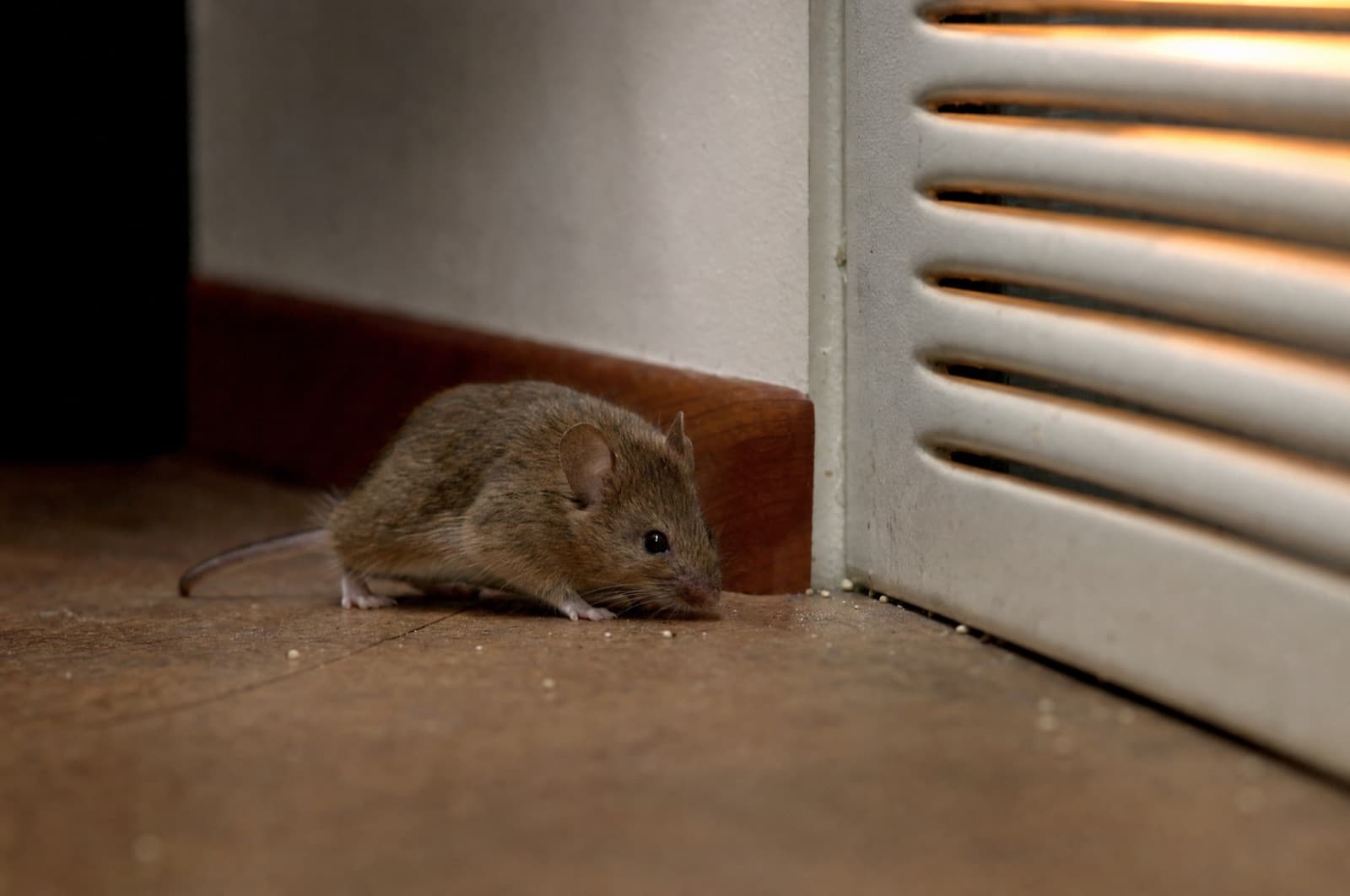
How to Prevent Pests Attracted to Heating Systems
Rodents actively move toward warmth as outdoor temperatures fall — a real, documented behavior, and prevention works by removing access and attractants, not by changing the heat.
This is routine seasonal prevention, most effective when done ahead of the fall entry window rather than after activity is already noticed.
At a glance
- The mechanism: Heat draws them in
- Who fixes it: You
- The rest lives at: What steps prevent mice from entering a home?
Rodents actively move toward warmth as outdoor temperatures fall — a real, documented behavior, and prevention works by removing access and attractants, not by changing the heat.
This is routine seasonal prevention, most effective when done ahead of the fall entry window rather than after activity is already noticed.
Heat doesn't spawn pests — it changes what you notice
The season and the building set the stage before the thermostat ever comes on. Here's the honest chain of events, spelled out.
What's really happening
As outdoor temperatures fall and outdoor food becomes scarce, rodents seek warm, sheltered structures, and they follow warmth cues from foundation cracks, utility penetrations, and vents to find a way in. Exclusion, sanitation, and habitat reduction — the pillars of EPA-endorsed Integrated Pest Management — break that cycle by denying the access the warmth is drawing them toward, rather than trying to counteract the attraction itself.
Source:EPA— Integrated Pest Management framework — exclusion, sanitation, and habitat reduction prioritized over chemical treatment
Is this an HVAC problem or a pest problem?
Who actually fixes it
You
Sanitation, storing food and birdseed in hard-sided containers, trimming vegetation away from the foundation, and sealing small gaps are homeowner-level tasks that meaningfully reduce attraction and access.
Signs of an established infestation or equipment damage — bring in a pest professional for full exclusion and, if wiring or ductwork is involved, an HVAC technician alongside them.
This hub owns the heating-system angle
General winter behavior, rodent control, and equipment-damage severity live in siblings that already earn them. Here's exactly where.
This hub owns the heating-attraction angle — why rodents move toward the heating system specifically. Rodent control and exclusion in full is owned by our mice & rats FAQ, and the general winter behavior shift is owned by our winter-pests-shift pages.
How this calibrates for NH
New Hampshire rodents typically begin scouting entry points in early fall and rarely leave voluntarily once nested indoors for winter, and the state's high heating-degree-day load means homes are a warm, attractive target from roughly October through April.
NH-licensed applicator #782664 (NHDAMF, RSA 430) · NEPMA member · family-owned since 2017.
Frequently asked
Sources(3)
- [1]EPA
Integrated Pest Management framework — exclusion/sanitation/habitat reduction prioritized over chemicals
- [2]Extension.org Wildlife Damage Management
Rodent Exclusion Methods — durable sealing materials and opening sizes
- [3]UNH Cooperative Extension
Mouse entry timing — New Hampshire homes, September–October
Written & reviewed by
VerifiedDaniel Brady
NH-Licensed Pesticide Applicator · License #782664 (NHDAMF, RSA 430)
Daniel Brady is the New Hampshire–licensed applicator behind Anchor Pest Services, a family-owned pest control company serving the Manchester area since 2017.
Anchor Pest Services
Have a different pest question?
This one may be an HVAC call, not a pest job — but if you're facing something that is, we serve Southern New Hampshire with a free inspection and same-day service.
- NH-licensed applicator
- Same-day service
- Pet & family-conscious
NH License #782664 · No obligation · We answer in person