
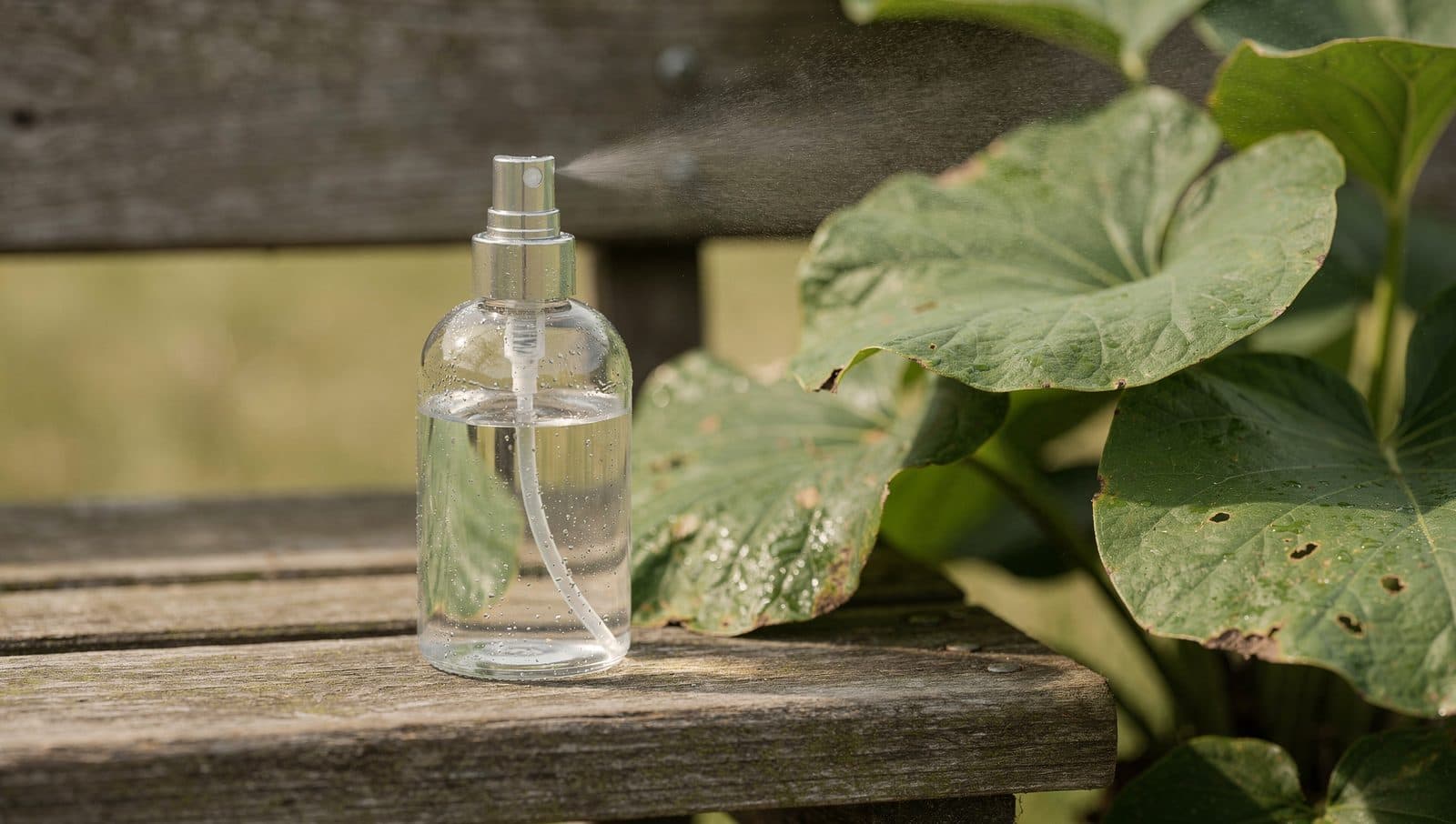
What Is the Best Natural Spray for Leaf Pests?
There's no single best natural spray for leaf pests — insecticidal soap and horticultural or neem oil are the honest winners, and only against soft-bodied pests.
At a glance
- The verdict: Partial — depends on the pest
- Who fixes it: Garden center
- Category: Leaf Treatments & Remedy Myths
The short answer
The most defensible "natural" sprays are registered insecticidal soap and horticultural or neem oil — contact products that work on soft-bodied pests like aphids, mites, whiteflies, mealybugs, and scale crawlers, and do nothing to hard-shelled beetles or most caterpillars. None of them leave lasting protection, all require thorough coverage of leaf undersides, and all can burn plants sprayed in heat or drought stress. Skip vinegar entirely, and treat garlic or coffee-ground sprays as unreliable folklore. The single most important step is identifying the pest before you buy anything.
The honest efficacy grade
"Natural" sprays marketed as an all-purpose leaf-pest cure
partial- The claim
- There's one magic natural spray that clears any leaf bug.
- The reality
- Extension programs point to insecticidal soap and horticultural/neem oils as the effective, low-impact options — and only against small, soft-bodied arthropods. University of Florida IFAS notes oils "work best against small, soft-bodied insects such as aphids, whitefly nymphs, mealybug nymphs, and scale insect nymphs" and are "much less effective against hard-bodied adult insects."
Source:University of Florida IFAS; UConn Extension; UC Marin Master Gardeners
Who actually fixes this?
Start here
Garden center
A garden center carries the two genuinely effective, registered natural options — insecticidal soap and horticultural/neem oil — matched to the pest you've identified.
- You — The problem is minor — hand-picking, hosing pests off, or wiping mealybugs with a cotton swab often handles small outbreaks with no spray at all.
- UNH Extension — You can't identify the pest, or it doesn't look soft-bodied — UNH Cooperative Extension's insect ID service can confirm it before you buy a product.
The details, straight
There's no single "best" — there's a right tool for the pest
The honest answer disappoints anyone hoping for a magic bullet: extension programs don't endorse one universal natural spray, because different pests have different vulnerabilities. Soft-bodied insects and mites — aphids, whiteflies, mealybugs, thrips, scale crawlers, spider mites — are vulnerable to contact soaps and oils. Hard-shelled beetles and most caterpillars simply aren't, no matter how "natural" the product claims to be.
The two honest winners: soap and oil
Insecticidal soap and horticultural or neem oil are the extension-endorsed low-impact options. University of Florida IFAS Extension notes oils "work best against small, soft-bodied insects such as aphids, whitefly nymphs, mealybug nymphs, and scale insect nymphs" and are "much less effective against hard-bodied adult insects." Neem oil adds modest fungicidal action against powdery mildew but works slowly and needs repeat applications, since commercial neem breaks down within a couple of days.
"Natural" doesn't mean harmless
UC Marin Master Gardeners note that some natural botanicals, like nicotine- or rotenone-based products, are "considerably more toxic" than their synthetic equivalents — a reminder that "natural" is not a safety guarantee. Home-brewed sprays using garlic, dish soap, vinegar, or pepper are unregistered, untested for either plant safety or pest efficacy, and can damage foliage or harm pets and wildlife.
Coverage and timing beat strength
Whichever registered product you choose, thorough coverage of both leaf surfaces — especially the undersides where pests hide — matters more than how "strong" the spray is. Apply in the cool parts of the day, never in hot sun, and plan on repeating on a schedule, since contact sprays don't kill eggs and new pests keep hatching.
Key takeaways
- There is no single best natural spray; the right choice depends entirely on the pest you've identified.
- Insecticidal soap and horticultural/neem oil are the extension-endorsed options, and only for soft-bodied pests.
- Neem oil adds mild fungicidal action against powdery mildew but breaks down within days and needs repeating.
- "Natural" botanicals aren't automatically safer — some are more toxic than synthetic equivalents.
- Skip vinegar, garlic, and coffee-ground sprays for pest control — they're unregistered and unreliable.
Match the spray to the pest, not the marketing
The best natural spray depends entirely on what's actually on your leaves. Identify it first, then pick the right registered product.
See how to identify leaf pestsA note for New Hampshire gardeners
Natural sprays like insecticidal soap, horticultural oil, and neem are contact tools best used in the warm-season window that fits New Hampshire's short outdoor growing season, from bud-break through early fall. UNH Cooperative Extension's integrated pest management guidance stresses identifying the pest first — soap and oil work on soft-bodied insects like aphids, mites, and whitefly but do little against beetles or caterpillars — and its Insect & Arthropod Identification service can confirm the target. Anchor Pest Services doesn't spray plant foliage; we focus on the structural and yard pests around your home.
NH-licensed applicator #782664 (NHDAMF, RSA 430) · NEPMA member · family-owned since 2017.
Related questions
Sources(4)
- [1]University of Florida IFAS Extension — Natural Insecticides
Oils work best on soft-bodied nymphs, much less effective on hard-bodied adults
extensionverified 2026-07-14 - [2]University of Connecticut Extension — Insecticides: Low Toxicity Options
Soap and oil mechanisms and limits
extensionverified 2026-07-14 - [3]UC Marin Master Gardeners — Garden Myths Busted
Natural botanicals like nicotine/rotenone can be more toxic than synthetics
extensionverified 2026-07-14 - [4]UC Master Gardener Program — Dangers of Homemade Pest Control Remedies
Homemade sprays are unregistered and untested for plant/pet safety
extensionverified 2026-07-14
Written & reviewed by
VerifiedDaniel Brady
NH-Licensed Pesticide Applicator · License #782664 (NHDAMF, RSA 430)
Daniel Brady is the New Hampshire–licensed applicator behind Anchor Pest Services, a family-owned pest control company serving the Manchester area since 2017.
Last updated 2026-07-14
Your next question
Honest pest help for New Hampshire homes
Leaf Pests Are Plant Care — But Your Home Is Our Job
Choosing the right spray for your plants is garden work, and we'll always tell you so honestly. Where Anchor Pest Services genuinely helps is the pests around your home — rodents, ants, ticks, and moisture pests drawn to leaf litter and debris against the foundation. Family-owned since 2017, NH license #782664, serving Manchester, Nashua, Concord and nearby towns.
- Honest limits — natural sprays are garden care, and we'll say when it isn't our job
- NH-licensed (#782664) for structural and yard pests, not products for your plants' leaves
- Ant, rodent, tick, and moisture-pest coverage for southern and central New Hampshire
NH License #782664 · No obligation · We answer in person
Your next step
- Book a NH pro
Pest Control Services
Licensed, family-owned pest control across southern NH.
Book now - What to do next
Natural & Organic Rodent Control: What Actually Works in NH
Read the answer - What to do next
Natural Stinging Insect Control: When It's Safe (and When It Isn't)
Read the answer - Related guide
What's the Best Treatment for Pests on Leaves?
Read the answer - Related guide
Should I Use Insecticidal Soap on Leaves?
Read the answer - Related guide
Can Neem Oil Help With Leaf Problems?
Read the answer