
What's the Best Treatment for Pests on Leaves?
The best treatment for leaf pests is correct identification plus the least-toxic effective tool, not a single universal product.
At a glance
- The verdict: Partial — depends on identification
- Who fixes it: Garden center
- Category: Leaf Treatments & Remedy Myths
The short answer
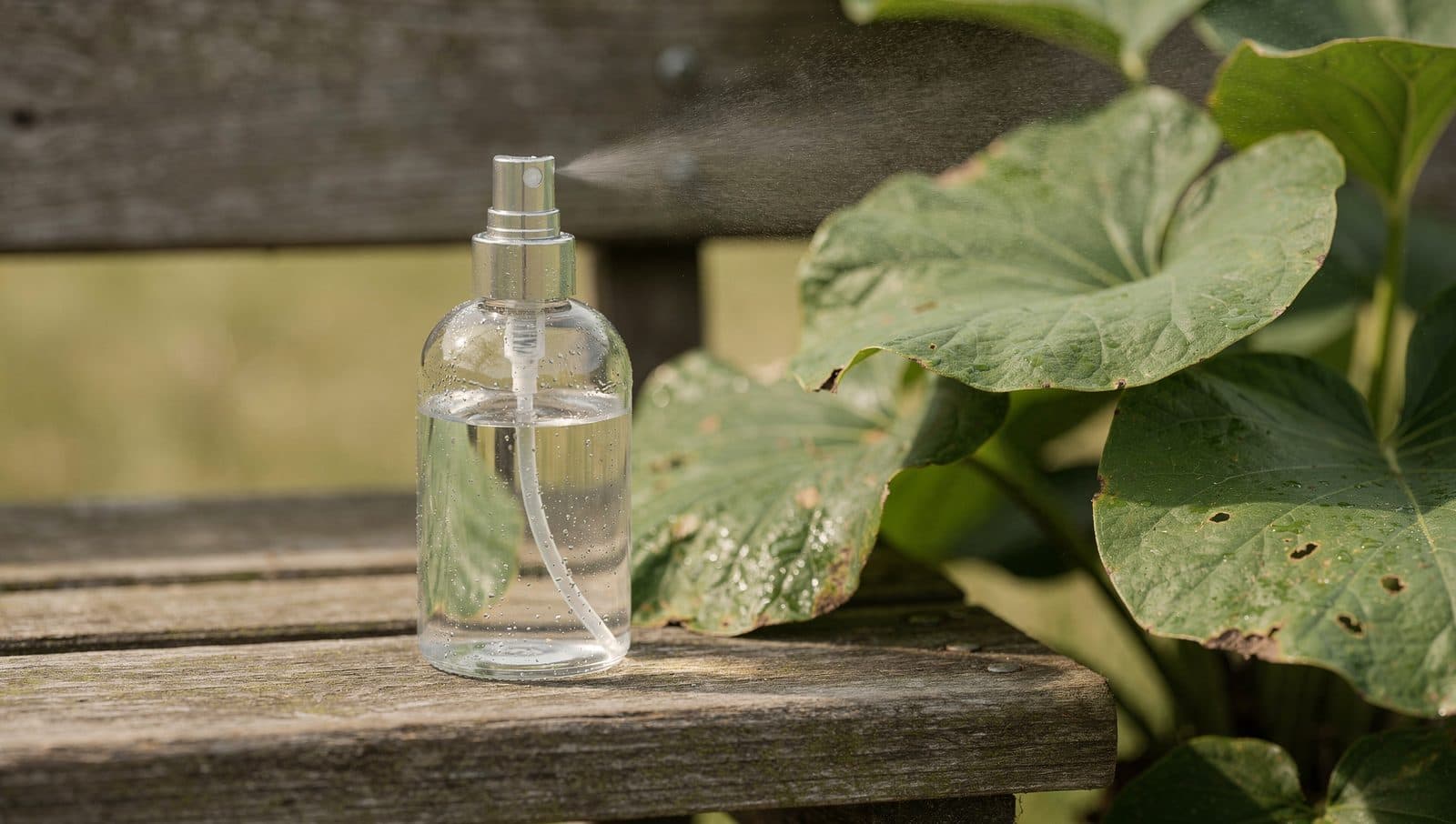
The best treatment is whatever matches the pest you actually have, which means identifying it first. For soft-bodied pests (aphids, mites, whiteflies, mealybugs, scale crawlers), start with physical removal — a strong water spray or wiping — and a registered insecticidal soap or horticultural/neem oil. For hard-shelled beetles and caterpillars, those contact sprays won't work and you'll need a different, pest-specific approach. If it turns out to be a disease, a tree-health issue, or a structural/yard pest, that's a different route entirely.
The honest efficacy grade
A single product marketed as the "best" universal leaf-pest treatment
partial- The claim
- One product is the best cure for pests on leaves.
- The reality
- Extension IPM guidance is that control depends on accurate identification and a hierarchy of least-toxic tactics. University of Minnesota Extension lists soaps and oils as effective on mealybugs, whiteflies, scale, thrips, and aphids but stresses they have "no residual activity; you must directly spray the insect to kill it." UNH Extension notes that for aphids specifically, "neem and pyrethrins are not very effective," while contact soaps and oils plus natural enemies do the actual work.
Source:University of Minnesota Extension; UNH Cooperative Extension; UC IPM
Who actually fixes this?
Start here
Garden center
Once the pest is identified, a garden center carries the registered, least-toxic products matched to that specific pest — the honest "best treatment" is always pest-specific, not universal.
- You — The infestation is light — hand-removing, hosing off, or isolating an infested plant often handles small outbreaks without any product.
- UNH Extension — You can't identify the pest, or treatment isn't working after a reasonable, correctly executed attempt — UNH Cooperative Extension can confirm the ID.
The details, straight
Identify before you treat
The single biggest factor in "best treatment" success is accurate identification, because the right treatment for aphids is the wrong treatment for beetles or caterpillars. Extension IPM programs consistently place identification before any product recommendation, since even a genuinely effective treatment fails if it's aimed at the wrong pest.
Start low-impact
Before reaching for any spray, extension sources recommend simple mechanical steps: hand-remove or hose off light infestations, wipe mealybugs with a cotton swab, and isolate newly infested houseplants from healthy ones to prevent spread. These steps cost nothing, carry no phytotoxicity risk, and often resolve minor problems on their own.
For soft-bodied pests, soap or oil is the extension standard
For confirmed soft-bodied pests, registered insecticidal soap or horticultural/neem oil applied to both leaf surfaces is the extension-standard choice. University of Minnesota Extension is explicit that these products have "no residual activity; you must directly spray the insect to kill it," which is why thorough coverage matters more than product strength.
Preserve natural enemies, and escalate carefully
UNH Extension notes that natural enemies like lady beetles, lacewings, and parasitic wasps can control aphid populations "if we do not kill the natural enemies with insecticides" — a reason to avoid broad-spectrum sprays when a targeted option exists. If a well-executed treatment plan isn't working, or the problem is a disease or on a valued tree, route it to diagnosis or the appropriate professional rather than simply spraying more or something stronger.
Key takeaways
- There's no single best treatment — the right choice depends entirely on accurate pest identification.
- Start with low-impact mechanical steps: hand-removal, hosing off, wiping, or isolating infested plants.
- For soft-bodied pests, registered insecticidal soap or horticultural/neem oil applied to both leaf surfaces is the extension standard.
- These products have no residual activity — you must directly contact the insect for them to work.
- Avoid broad-spectrum sprays that kill natural enemies like lady beetles and parasitic wasps.
The best treatment starts with the right ID
Before picking a product, confirm what's actually on your leaves — the right treatment depends entirely on the pest.
See how to identify leaf pestsRelated questions
Sources(3)
- [1]University of Minnesota Extension — Insects on Indoor Plants
Soaps/oils have no residual activity; must directly spray the insect
extensionverified 2026-07-14 - [2]UNH Cooperative Extension — Aphids Fact Sheet
Neem/pyrethrins not very effective on aphids; natural enemies control populations
extensionverified 2026-07-14 - [3]UC Statewide IPM Program — What Is IPM?
IPM hierarchy: identify, then least-toxic effective control
extensionverified 2026-07-14
Written & reviewed by
VerifiedDaniel Brady
NH-Licensed Pesticide Applicator · License #782664 (NHDAMF, RSA 430)
Daniel Brady is the New Hampshire–licensed applicator behind Anchor Pest Services, a family-owned pest control company serving the Manchester area since 2017.
Last updated 2026-07-14
Your next question
Honest pest help for New Hampshire homes
Leaf Pest Treatment Is Plant Care — But Your Home Is Our Job
Choosing the right treatment for your garden or houseplants is garden work, and we'll always tell you so honestly. Where Anchor Pest Services genuinely helps is the pests around your home — rodents, ants, ticks, and moisture pests drawn to leaf litter and debris against the foundation. Family-owned since 2017, NH license #782664, serving Manchester, Nashua, Concord and nearby towns.
- We recommend the right product source, even when the buyer isn't us
- NH pest license #782664 — free quote and same-day availability
- Serving homeowners across southern and central New Hampshire
NH License #782664 · No obligation · We answer in person
Your next step
- Book a NH pro
Pest Control Services
Licensed, family-owned pest control across southern NH.
Book now - Related guide
What Is the Best Natural Spray for Leaf Pests?
Read the answer - Also relevant
Why Does It Smell After Pest Treatment? What's Normal and What's Not
Read the answer - Related guide
Can Professional Pest Control Help With Leaf Problems?
Read the answer - Related guide
What Insects Live Under Leaves?
Read the answer - Related guide
What's the Difference Between Leaf Pest Control and Lawn Pest Control?
Read the answer