
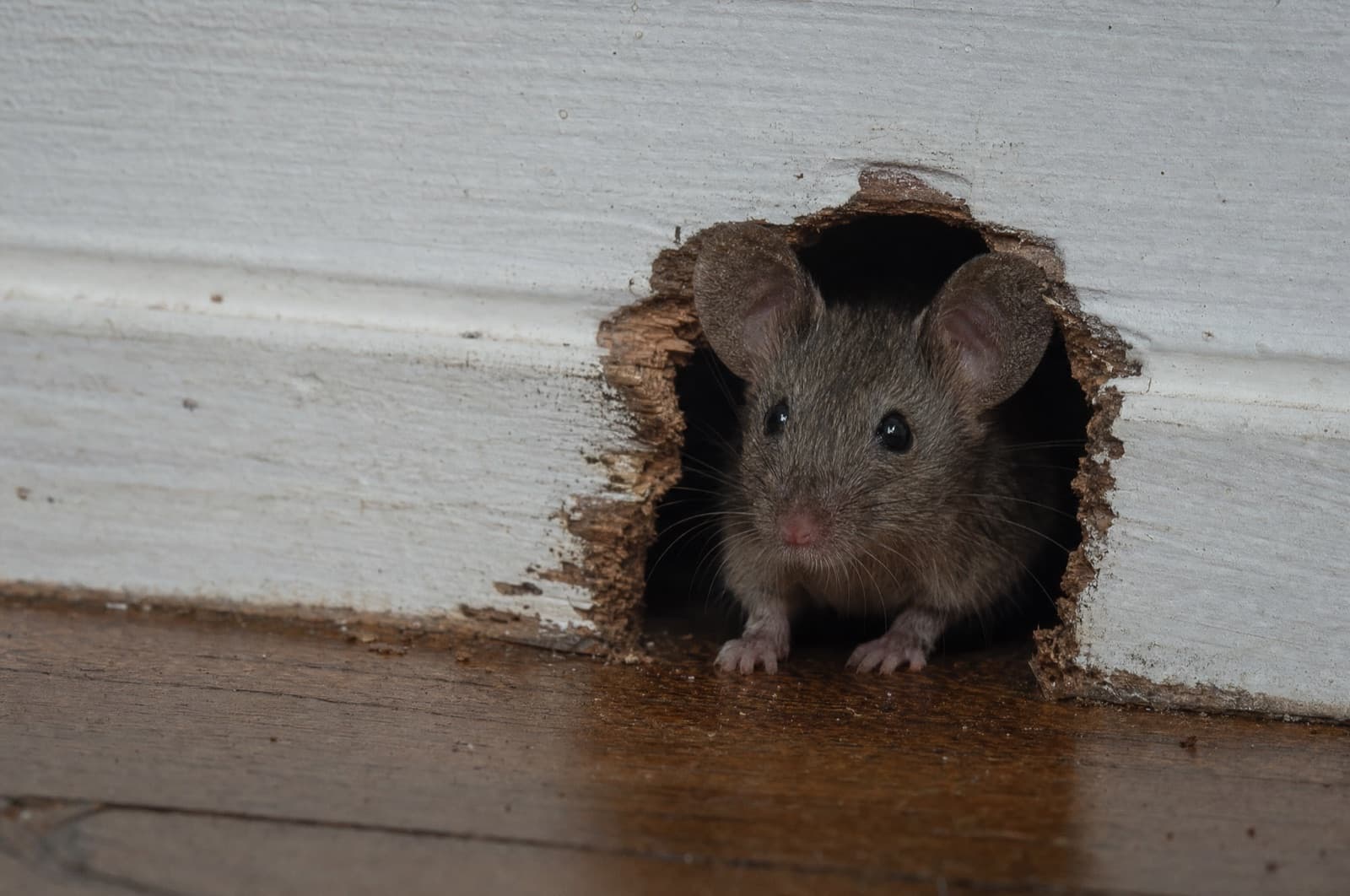
What Is the Most Humane Way to Trap Rats?
At a Glance
- Short answer: Usually a correctly-placed instant-kill trap — live-catch release is rarely as humane as it sounds for rats.
- Key fact: NH Fish & Game does not relocate trapped animals and places release responsibility on the trapper.
- NH relevance: NH places no restriction on taking commensal rodents, so a fast, correctly-placed kill trap is both legal and generally the most humane option locally.
- Action needed: Use a correctly-sized, correctly-placed instant-kill trap; avoid relocating any rat you catch live.
The short of it
'Humane' isn't a synonym for 'live trap.' A correctly-sized, correctly-placed instant-kill trap (rat snap or rat electronic) aims for a fast death rather than prolonged confinement or a lingering poison death. Live-catch-and-release sounds kinder but runs into real problems: NH Fish & Game places all release responsibility on the trapper and does not relocate animals, UNH Extension advises against releasing wild animals far from home because they typically become easy prey or starve, and because rats are non-native and disease-carrying, extension guidance says captured rats should be humanely killed rather than released. Glue traps are the least humane common option.
What Is the Most Humane Way to Trap Rats — By the Numbers
1st
Rank of correctly-placed instant-kill traps in the honest humaneness order
Last
Rank of glue traps — the least humane common option
0
Relocation assistance NH Fish & Game provides for trapped rodents
Trap types, honestly graded
The honest humaneness ranking for common rat-trapping methods.
Snap trap (rat-rated)
Best for: Most humane practical option for confirmed rats
Correctly sized and placed, delivers a fast death — the generally preferred choice.
Electronic trap (rat-rated)
Best for: Low-contact, contained fast kill
Comparable humaneness to a snap trap when correctly sized; needs dry, warm placement.
Live-catch
Best for: Rarely appropriate for rats in NH
Sounds humane but relocation is discouraged/impractical; NH F&G won't relocate, and released rats often die anyway.
Glue trap
Best for: Not recommended
Causes prolonged suffering; least humane common option.
Bottom line — A correctly-placed instant-kill trap is usually more humane in practice than live-catch-and-release, and far more humane than a glue trap.
The full picture
Why live-catch-and-release usually isn't the kind choice it sounds like
Legally, NH Fish & Game makes clear that transport and release of any trapped animal is the trapper's own responsibility, and the department does not relocate animals. Ethically and biologically, UNH Cooperative Extension explicitly advises against live-trapping and releasing wild animals miles from home, because a released animal dropped into unfamiliar territory without food, shelter, or protection typically becomes easy prey or slowly starves. For rats specifically, extension and public-health sources go further: because rats are non-native and carry disease, captured rats should be humanely killed rather than released, since releasing them can also spread disease and harm native ecosystems.
The honest humaneness ranking
New Hampshire places no restriction on the taking of commensal rodents like house mice and Norway rats, so lethal control is legal here. That leaves a clear order: a correctly-placed instant-kill trap (most humane and practical) first, poison only as a contained professional last resort, live-catch rarely humane for rats given release realities, and glue traps — which cause prolonged suffering — as the least humane common option. If a live trap is used at all, it must be checked at least twice daily and the animal never relocated given the concerns above.
Bottom line — A correctly-sized, correctly-placed instant-kill trap is usually the most humane practical choice for rats. Live-catch-and-release is legally and ethically fraught in NH; glue traps are the least humane common option.
Want it handled quickly and humanely?
Anchor's licensed technicians use correctly-sized, correctly-placed instant-kill traps as standard practice.
Why this matters in New Hampshire
NH Fish & Game places all release responsibility on the person who sets a live trap and does not relocate animals itself, and New Hampshire places no restriction on the taking of commensal rodents such as house mice and Norway rats. Together, that makes a correctly-placed instant-kill trap both the more practical and, in most cases, the more humane choice for NH homeowners dealing with rats.
Key local data
NH: no restriction on the taking of commensal rodents; NH Fish & Game does not relocate captured animals
- NH-licensed applicator · #782664
- Same-day service
- Family-owned since 2017
Service Area Map
Southern New Hampshire
Frequently asked
Sources (5)
- [1]
- [2]
- [3]
- [4]
- [5]
Written & reviewed by
VerifiedDaniel Brady
NH-Licensed Pesticide Applicator · License #782664 (NHDAMF, RSA 430)
Daniel Brady is the New Hampshire–licensed applicator behind Anchor Pest Services, a family-owned pest control company serving the Manchester area since 2017.
Professional Rodent Control
The Most Humane Method Is Also the Most Practical
Anchor Pest Services uses correctly-sized, correctly-placed instant-kill traps — no relocation guesswork, no prolonged suffering. Family-owned since 2017, NH license #782664.
- Same-day service across southern NH
- NH-licensed applicators (#782664)
- Free inspection — no flat-price guesswork
NH License #782664 · No obligation · We answer in person
Your next step
- Next step
Do Dogs Keep Rats Away?
Read the answer - What to do next
How to Use the Live Animal Cage Trap for Rats and Squirrels by Havahart
Read the answer - What to do next
How to Use the Tomcat Rat Snap Trap
Read the answer - Related guide
Are Glue Traps Effective for Mice?
Read the answer - Related guide
Are Electronic Traps Effective for Rats?
Read the answer - Related guide
Can Rats Learn to Avoid Traps?
Read the answer