
Can I Get Rid of Mice Without Killing Them?
At a Glance
- Short answer: Yes, via live-catch traps plus exclusion — but grade the trade-offs honestly.
- Key fact: Released house mice survive poorly outdoors, and some navigate straight back to the same building.
- NH relevance: NH's cold months make outdoor release even harder on a released mouse's odds.
- Action needed: Seal gaps larger than ¼ inch first — the trap type matters less than the sealing.
The short of it
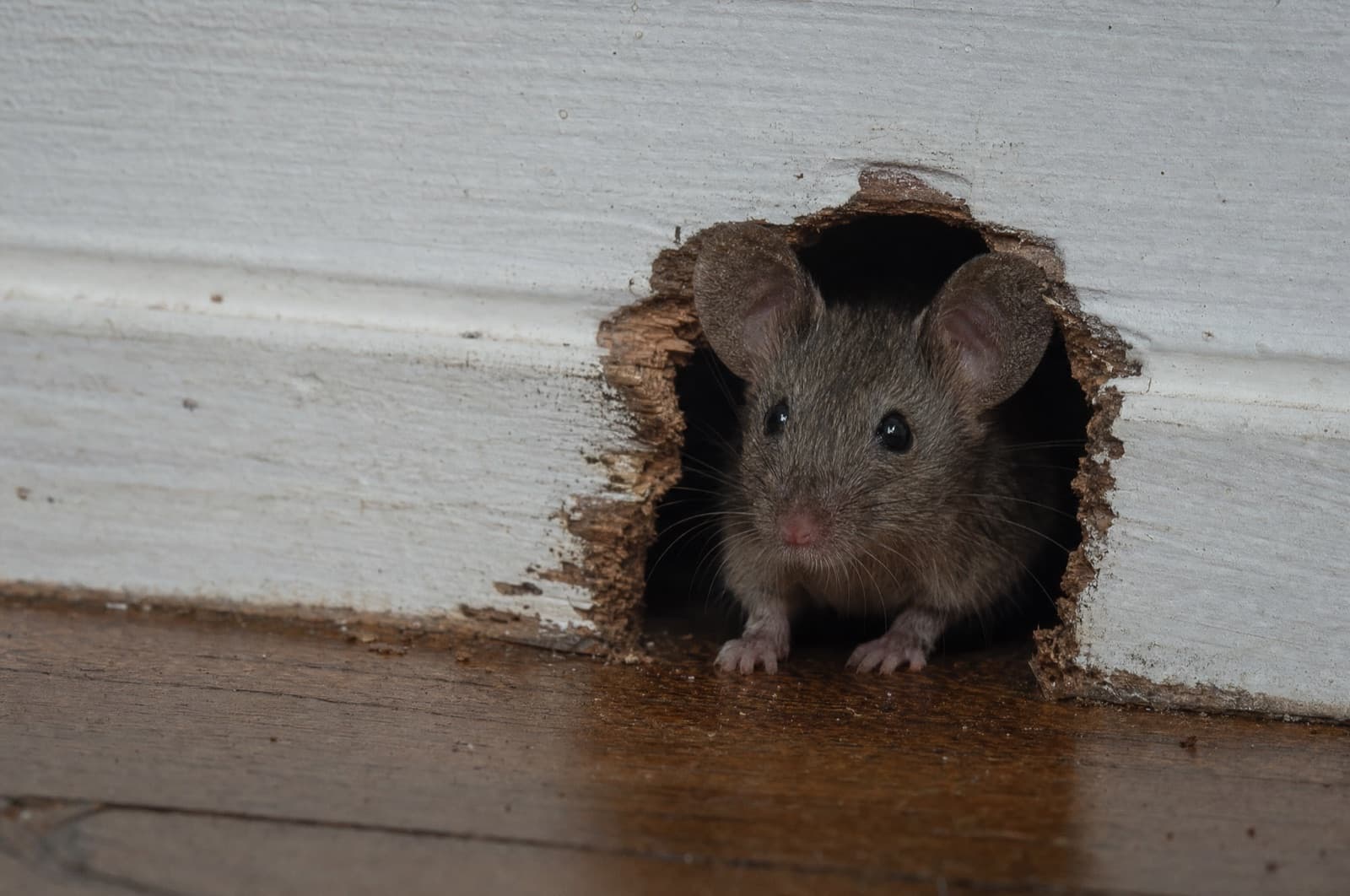
You can remove mice without killing them, but only if 'removal' means sealing them out, not just catching and releasing. Oregon State University Extension is blunt that releasing live-trapped mice 'won't solve your rodent problem' on its own — an unsealed home simply refills. Live-catch traps also under-perform snap traps on capture rate, and released house mice fare poorly outdoors: some die within days from cold, predation, or starvation, and CDC researchers have documented relocated mice navigating back to the same building. The humane program that actually works leads with exclusion and sanitation, and treats live-trapping as a supplement — not the whole plan.
Can I Get Rid of Mice Without Killing Them — By the Numbers
¼ inch
Smallest gap a mouse needs to enter — seal it first
Lower
Live-trap capture rate vs. lethal snap traps
Days
How quickly a checked-late live trap can kill from stress
Poor
Documented survival odds for released house mice outdoors
The honest efficacy verdict
Live-catch trapping (non-lethal removal)
SituationalWorks as part of a program that also seals entry points — but underperforms on its own, and released mice fare poorly.
Evidence: Oregon State University Extension states that releasing live-trapped mice 'won't solve your rodent problem'; CDC-linked research on relocated rodents documents poor survival and mice returning to the same structure.
- Paired with sealing every gap larger than ¼ inch, so the home isn't refilling behind you
- Traps are checked at least once or twice daily to prevent a caught mouse from dying of stress/dehydration
- The homeowner is prepared to relocate mice consistently, not just once
- Used as the only tactic, with entry points left unsealed
- Traps sit unchecked for a day or more
- Mice are released nearby, where they can navigate back to the same building
The full picture
Start with exclusion, not the trap aisle
Oregon State University Extension advises repairing holes and gaps larger than ¼ inch around doors, windows, crawl-space screens, and attic vents, packing openings with copper or stainless steel wool and caulking over them. Combine that with removing food and water access — sealed containers, no pet food left out overnight — so the home supports fewer mice to begin with. This groundwork does more for a humane outcome than any single trap choice.
The honest trade-off on live-catch traps
Live-catch traps are a reasonable supplement, but capture rates trail snap traps, and a trapped mouse that isn't checked promptly can die of stress or dehydration within hours — which defeats the humane intent. Oregon State University Extension is direct about the bigger issue: 'releasing live mice caught in the traps won't solve your rodent problem,' because an unsealed house simply refills with new mice from outside or from the population still living in your walls.
What happens to a released mouse
House mice are commensal specialists adapted to living alongside people, not to open fields. Released outdoors, especially in a New Hampshire winter, most die quickly from cold, predation, or starvation. CDC-linked research on relocated rodents has also documented mice navigating back to the same building they were caught in — one more reason live-trap-and-release in residences is discouraged rather than recommended as a standalone fix.
Bottom line — Genuinely humane and effective removal leans on sealing gaps larger than ¼ inch and cutting off food, with live-catch trapping as a supplement you check frequently — not a substitute for exclusion. Skip the seal-up work and you're just recycling the same problem, however gently you catch it.
Want mice gone without the guesswork?
Anchor builds exclusion-first programs — sealing entry points and pairing trapping with the option that fits your household. Licensed NH technicians, no flat-price guesswork.
Why this matters in New Hampshire
A released mouse's odds are worse in a New Hampshire winter than they already are — cold, snow cover, and scarce food stack the deck against outdoor survival on top of the predation risk it already faces. That's an honest reason to lean harder on exclusion and sanitation, especially heading into the fall influx before Manchester's first hard frost, rather than counting on catch-and-release to be the humane solution on its own.
Key local data
Deer mice (Peromyscus) are the hantavirus-relevant species in NH; NH DHHS reports no confirmed case acquired in-state to date.
- NH-licensed applicator · #782664
- Same-day service
- Family-owned since 2017
Service Area Map
Southern New Hampshire
Frequently asked
Sources (5)
- [1]
- [2]
- [3]
- [4]
- [5]
Written & reviewed by
VerifiedDaniel Brady
NH-Licensed Pesticide Applicator · License #782664 (NHDAMF, RSA 430)
Daniel Brady is the New Hampshire–licensed applicator behind Anchor Pest Services, a family-owned pest control company serving the Manchester area since 2017.
Professional Rodent Control
Humane Doesn't Have to Mean Ineffective
Anchor Pest Services leads with sealing gaps and removing food access, then tailors trapping to what you're comfortable with — because exclusion, not the trap type, is what actually keeps mice from coming back. Family-owned since 2017, NH license #782664.
- Same-day service across southern NH
- NH-licensed applicators (#782664)
- Free inspection — no flat-price guesswork
NH License #782664 · No obligation · We answer in person
Your next step
- Book a NH pro
Rodent Control
Book now - Next step
Where Do Mice Go in the Winter? NH Mouse Timing Guide
Read the answer - What to do next
Mechanical Rodent Control: Snap Traps + Exclusion That Works
Read the answer - What to do next
How to Get Rid of House Mice
Read the answer - Related guide
What Is the Most Humane Way to Trap Rats?
Read the answer - Related guide
Are Glue Traps Effective for Mice?
Read the answer