
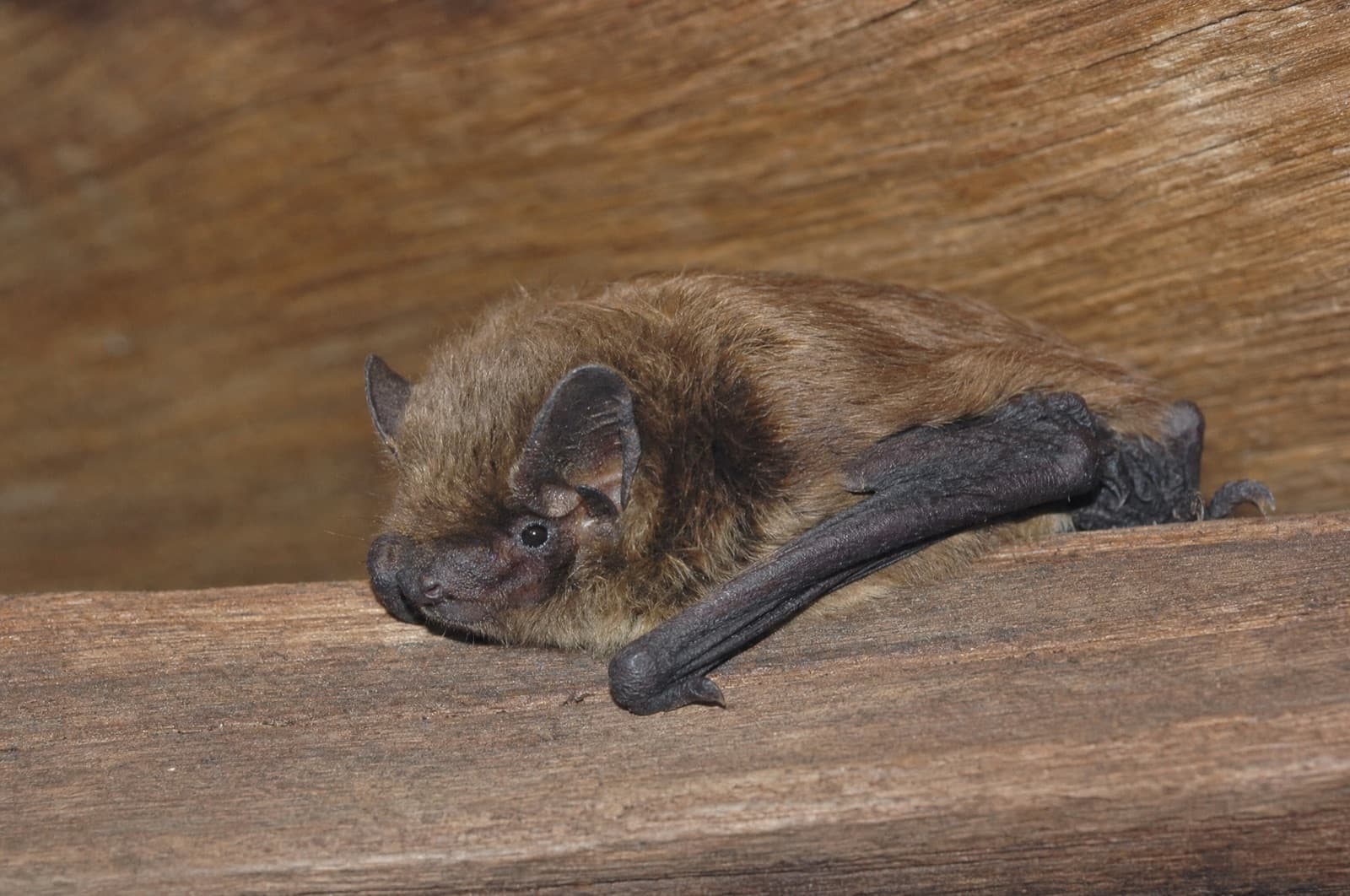
When Do Bats Leave the Attic? NH Legal Timing Guide
At a glance
- Maternity season: Pups present mid-May to mid-AugustOne pup/year, born ~June; pups fly in July but roost weeks longer — NO exclusion allowed — NH Fish & Game / UNH Extension
- Legal exclusion window: Mid-August through OctoberBats leave for winter quarters; use one-way doors after confirming all bats are out — NH Fish & Game
- Winter strategy: Little brown bats → hibernacula; big brown bats → caves, mines, or buildingsHibernacula run 40–50°F, >80% humidity; NH hibernation is November–April — NH Fish & Game
- White-nose syndrome: NH cave bats down nearly 99% for some speciesFirst documented in NH winter 2008–09; hibernacula mortality 79–100% — UNH Extension / NH Fish & Game
Maternity season
Pups present mid-May to mid-August
One pup/year, born ~June; pups fly in July but roost weeks longer — NO exclusion allowed — NH Fish & Game / UNH Extension
Legal exclusion window
Mid-August through October
Bats leave for winter quarters; use one-way doors after confirming all bats are out — NH Fish & Game
Winter strategy
Little brown bats → hibernacula; big brown bats → caves, mines, or buildings
Hibernacula run 40–50°F, >80% humidity; NH hibernation is November–April — NH Fish & Game
White-nose syndrome
NH cave bats down nearly 99% for some species
First documented in NH winter 2008–09; hibernacula mortality 79–100% — UNH Extension / NH Fish & Game
The short of it
In New Hampshire, bats generally leave the attic in mid-August to seek winter quarters — and mid-August through October is the ONLY legal, humane exclusion window; removal is banned during the mid-May–mid-August maternity season.
When are they active — the whole year at a glance
This calendar tracks legal status alongside presence, not just 'pest risk' — the mid-May–mid-August maternity ban and the mid-August–October legal exclusion window are the two dates that matter most for homeowners.
Best window to act · Late August through October — after young are flying and before hibernation begins. In July, scout dusk exit points to identify entry holes ahead of time. NEVER exclude bats mid-May through mid-August or during winter hibernation.
Levels here track presence and legal status, not pest pressure. NH hibernation runs November–April, per NH Fish & Game; the legal exclusion window is mid-August through October, anchored ahead of Manchester's ~Oct 19 first frost (NOAA 1991–2020).
Winter behavior
Bats in New Hampshire split into two very different winter strategies, and knowing which one applies to the bats in your attic matters for both biology and the law.
Hibernates
Little brown bats migrate to caves and mines — hibernacula that stay a stable 40–50°F with over 80% humidity. Big brown bats hibernate in caves, mines, OR buildings, including attics, wall voids, and under insulation. Three of New Hampshire's eight species migrate south instead of hibernating.
Move in
Bats settle into winter roosts in November; hibernation runs November through April.
Hibernates
Little brown bats migrate to caves and mines — hibernacula that stay a stable 40–50°F with over 80% humidity. Big brown bats hibernate in caves, mines, OR buildings, including attics, wall voids, and under insulation. Three of New Hampshire's eight species migrate south instead of hibernating.
Spring exit
Most bats emerge by mid-April, with some individuals appearing as early as late March. Females then form maternity colonies in May, which restarts the protected maternity season and the exclusion ban.
A year in the life
A New Hampshire bat's year is governed as much by law as by biology — the two line up, but the legal window is narrower than the biological one.
- 01
Spring
Bats emerge from hibernation in March and April, with most out by mid-April. Females then form maternity colonies in May, which triggers the start of the mid-May exclusion moratorium — no removal work should begin from this point forward.
- 02
Summer
Pups are born around June and begin flying in late July, but they still roost in the attic for several more weeks after that. Exclusion remains illegal for the entire maternity season, through mid-August, because flightless or newly flying pups could be trapped and die.
- 03
Fall
Bats swarm, mate, and fatten up through September and October — the single best exclusion window of the year, opening in mid-August once the colony has broken up and before hibernation begins.
- 04
Winter
Hibernation runs roughly November through April. Little brown bats retreat to hibernacula, but big brown bats may be hibernating directly in your walls or attic insulation, which is why winter exclusion is discouraged — sealing then can entomb hibernating bats. A big brown bat flying on a warm winter day is normal, not cause for alarm.
Bats in southern New Hampshire
All eight New Hampshire bat species are of conservation concern, and white-nose syndrome has devastated cave-hibernating populations across the state since it was first documented in the winter of 2008–09. Because of that collapse, and because several species are state or federally endangered, NH Fish & Game treats bat exclusion as a narrow, legally defined window rather than a homeowner's choice of convenience — Wildlife Control Operators may exclude bats with one-way doors but are not permitted to exterminate them.
Key local data
NH hibernacula counts illustrate the scale of the decline: little brown bat counts fell from 3,135 bats in 2008 to just one in 2018 — a nearly 99% drop for some species — per NH Fish & Game winter hibernacula surveys.
We serve these communities
- NH-licensed applicator · #782664
- Same-day service
- Family-owned since 2017
Service Area Map
Southern New Hampshire
Timing your treatment
Bat exclusion in New Hampshire is one of the most legally constrained pest-timing decisions a homeowner will make — get the window wrong and you risk both animal welfare and legal violations.
Wildlife & Exclusion
Free inspection and same-day wildlife & exclusion service across southern New Hampshire. NH-licensed #782664. Bat work should always go through a licensed NH Wildlife Control Operator working within the legal window — never DIY removal out of season.
Learn more about this pestFrequently asked
Sources & references
- NH Fish & Game — Homeowners and Bats
maternity moratorium mid-May–mid-Aug, mid-August exclusion window
- NH Fish & Game — Bats of New Hampshire
hibernacula temperature/humidity, hibernating vs. migrating species
- NH Fish & Game — White-nose Syndrome
WNS history, hibernacula population decline
- NH Fish & Game — SWAP Little Brown Bat
Wildlife Control Operator exclusion-only rule, maternity window
- UNH Cooperative Extension — Bats in New Hampshire
maternity exclusion ban, WNS population decline
- U.S. Fish & Wildlife Service — Northern Long-Eared Bat
federal endangered status effective March 31, 2023
- Federal Register — Northern Long-Eared Bat Final Rule (87 FR 73488)
WNS caused 97–100% declines across 79% of range
- NH DHHS — Infectious Disease Control
rabies exposure protocol, Bureau of Infectious Disease Control contact
Editorial disclaimer: This content is provided for informational purposes only and does not constitute pest control advice. Every property is unique — consult a licensed professional for guidance specific to your situation. Anchor Pest Services is licensed in New Hampshire (#782664).
Written & reviewed by
VerifiedDaniel Brady
NH-Licensed Pesticide Applicator · License #782664 (NHDAMF, RSA 430)
Daniel Brady is the New Hampshire–licensed applicator behind Anchor Pest Services, a family-owned pest control company serving the Manchester area since 2017.
Last updated Jul 2026
Anchor Pest Services
Whatever the season — we handle the timing for you.
Same-day service across Southern New Hampshire. NH-licensed #782664, family-owned since 2017. We track the local calendar so you don't have to guess the right window.
- NH-licensed applicator
- Same-day service
- Pet & family-conscious
NH License #782664 · No obligation · We answer in person
Your next step
- What to do next
Bats in New Hampshire — ID, Signs & Safe Removal
Read the answer - Also relevant
Where Do Bats Go In The Winter?
Read the answer - Also relevant
How to Get Rid of Bats
Read the answer - Also relevant
Mechanical Bird & Bat Control: Legal Exclusion in NH
Read the answer - Also relevant
Natural Bird & Bat Control in NH: The Legal Limits That Matter
Read the answer - Related guide
What Pests Are Actually Active in June in New Hampshire?
Read the answer