
How to Prevent Termites Around Downspouts, Splash Blocks, and Poor Drainage Zones
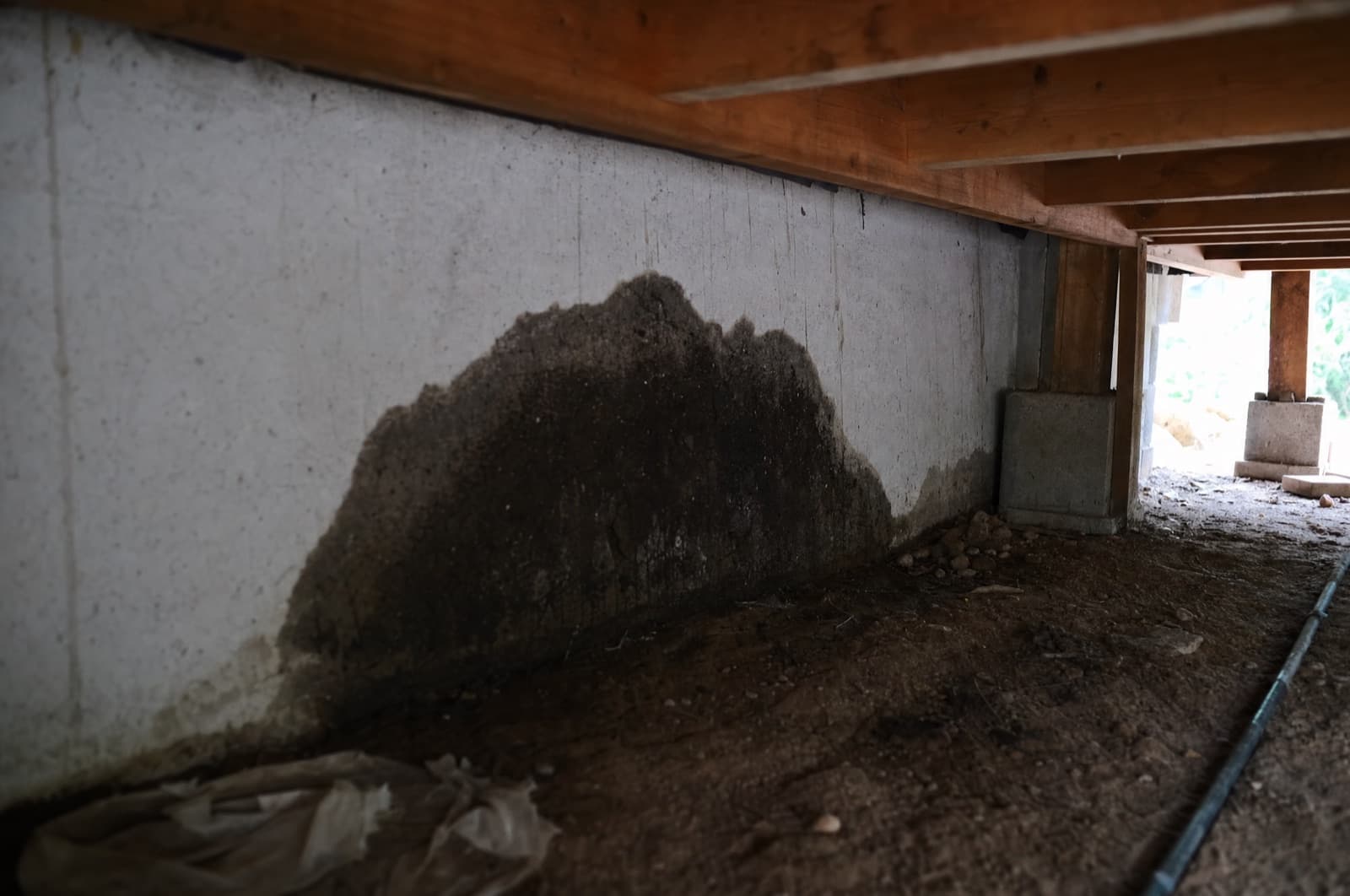
Downspouts and drainage that dump water right at the foundation create the saturated perimeter soil subterranean termites favor — a genuine, and unusually easy to fix, driver.
Real, but this is one of the cheapest prevention levers in the whole hub: redirecting a few feet of downspout or splash-block placement removes the condition almost entirely.
At a glance
- What it is: Real termite risk
- The driver: Concentrated roof runoff at the foundation
- Who fixes it: You can handle this
Downspouts and drainage that dump water right at the foundation create the saturated perimeter soil subterranean termites favor — a genuine, and unusually easy to fix, driver.
Real, but this is one of the cheapest prevention levers in the whole hub: redirecting a few feet of downspout or splash-block placement removes the condition almost entirely.
Pull the right lever, not the sprayer
The organism is downstream of one condition. Remove that condition and it has no foothold — which is why prevention here is rarely a pesticide.
The driver
Concentrated roof runoff at the foundation
When downspouts discharge right at the foundation or grading lets water pool there, the soil next to the sill and siding stays saturated far longer than the surrounding yard — and termites forage and tunnel most readily through consistently moist ground next to wood. Extension and federal guidance both name water accumulating near the foundation as a primary conducive condition for infestation.
Source:University of Kentucky Entomology— ENTFACT-605: Protecting Your Home Against Termites (Potter)
3 levers, honestly ranked
Sorted by what actually moves the driver — primary first, theatre last. Effort is graded so you know what's a five-minute fix and what's a real project.
- Primary — moves the driverWeekend project
Extend downspouts and add splash blocks or buried drain lines
Add downspout extensions or a buried drain line that carries roof water several feet from the foundation, and position splash blocks so discharge sheds away from the wall rather than pooling against it. Concentrated roof runoff is one of the largest controllable moisture inputs at the perimeter, and moving it away keeps the soil and sill genuinely dry — this is a real primary control, not a cosmetic gutter chore.
- Primary — moves the driverWeekend project
Regrade low or ponding zones along the foundation
Fill and slope any spot where water visibly ponds against the house so surface water sheds away instead of collecting at the sill. A single low corner can undo the benefit of a perfectly good downspout extension elsewhere on the same wall.
- SupportingQuick DIY
Keep gutters clean and functioning
Clean gutters each season so they don't overflow directly onto the foundation during heavy rain, which defeats even a well-placed downspout extension.
Whose job is this, really?
Who actually fixes it
You can handle this
Extending downspouts, placing splash blocks, and clearing gutters are all straightforward homeowner tasks with no pesticide involved. Regrading a larger low spot may call for a landscaper or drainage contractor, but the fix stays outside pest control.
You see mud tubes at a chronically wet corner, or ponding persists despite redirecting downspouts and regrading — that combination warrants a professional termite inspection.
How this calibrates for NH
New Hampshire's freeze-thaw cycles and heavy spring snowmelt concentrate a lot of water at roof corners and downspouts in a short window, which is exactly when southern and central NH's TIP Zone 3 soil stays saturated longest against the foundation.
NH-licensed applicator #782664 (NHDAMF, RSA 430) · NEPMA member · family-owned since 2017.
Frequently asked
Sources(3)
- [1]University of Kentucky Entomology
ENTFACT-605: Protecting Your Home Against Termites (Potter)
- [2]U.S. EPA
Termites: How to Identify and Control Them
- [3]Building America Solution Center (PNNL/DOE)
Termite-Resistant Foundations and Walls
Written & reviewed by
VerifiedDaniel Brady
NH-Licensed Pesticide Applicator · License #782664 (NHDAMF, RSA 430)
Daniel Brady is the New Hampshire–licensed applicator behind Anchor Pest Services, a family-owned pest control company serving the Manchester area since 2017.
Your next step
- termite-mite-prevention-guides
Preventing termites around HVAC condensate lines and drip areas
Read the answer - termite-mite-prevention-guides
Preventing termites after water damage in a bathroom or laundry room
Read the answer - faq-pest-damage-and-risks
How do termite infestations weaken homes over time?
Read the answer
Anchor Pest Services
Have a different pest question?
This one may not be a pesticide job — but if you're facing something that is, we serve Southern New Hampshire with a free inspection and same-day service.
- NH-licensed applicator
- Same-day service
- Pet & family-conscious
NH License #782664 · No obligation · We answer in person