
How to Prevent Termites Around HVAC Condensate Lines and Drip Areas
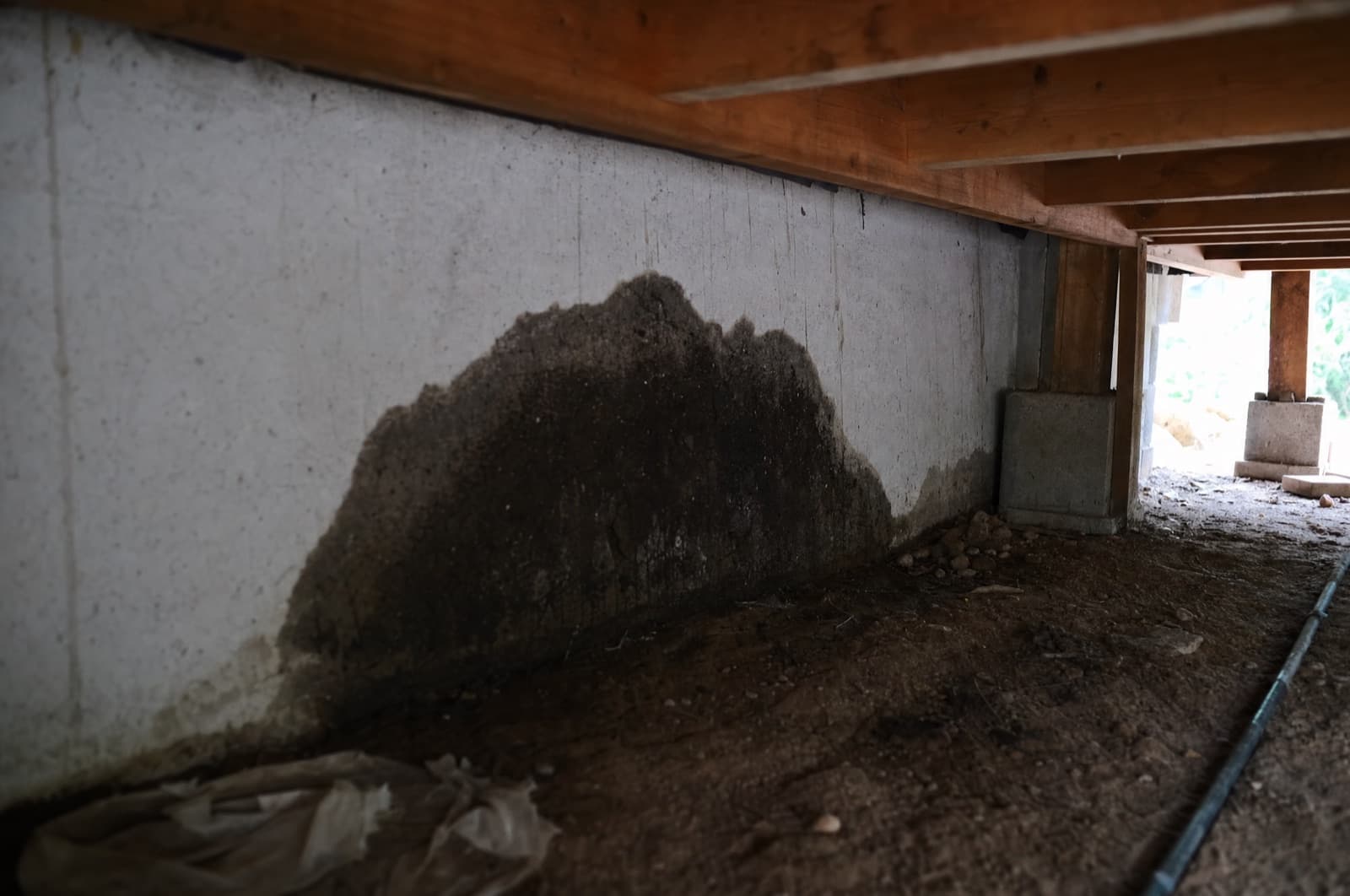
Air-conditioner and heat-pump condensate that drips against the foundation creates a small but chronic wet spot — a real, if modest, driver Extension sources specifically flag among conducive moisture conditions.
Real but easy to manage. This is a relentless drip rather than a flood, and routing it a few feet away resolves it almost completely.
At a glance
- What it is: Real termite risk
- The driver: Chronic condensate drip at the wall
- Who fixes it: You can handle this
Air-conditioner and heat-pump condensate that drips against the foundation creates a small but chronic wet spot — a real, if modest, driver Extension sources specifically flag among conducive moisture conditions.
Real but easy to manage. This is a relentless drip rather than a flood, and routing it a few feet away resolves it almost completely.
Pull the right lever, not the sprayer
The organism is downstream of one condition. Remove that condition and it has no foothold — which is why prevention here is rarely a pesticide.
The driver
Chronic condensate drip at the wall
Central air conditioners and heat pumps produce steady condensate, and when the line or equipment drips straight onto the ground against the foundation, that patch of soil stays wet in nearly all weather. NC State and Clemson Extension name air-conditioner condensation and equipment drip zones specifically as moisture sources that can support termite activity, and in rare cases even sustain an above-ground colony on their own.
Source:NC State Extension— Monitoring & Management of Eastern Subterranean Termites
3 levers, honestly ranked
Sorted by what actually moves the driver — primary first, theatre last. Effort is graded so you know what's a five-minute fix and what's a real project.
- Primary — moves the driverQuick DIY
Route condensate away from the foundation
Make sure the condensate line and any equipment drips discharge to a drain, dry well, or splash area well away from the foundation and crawl-space soil, not into a puddle against the wall, and clear any clogged line that has started overflowing. This is a small but relentless water input directly at the structure, and directing it away keeps the adjacent wood and soil dry, which removes both the everyday termite draw and the rarer aerial-colony risk factor.
- SupportingQuick DIY
Keep the drip zone dry and inspectable
If the line can't be easily rerouted, add a small drain pan, gravel bed, or splash block under the discharge point and keep the immediate area clear of mulch or dense planting so the ground stays visibly dry and any mud tube would be easy to spot.
- SupportingQuick DIY
Inspect nearby framing periodically
Check wood near indoor air-handler closets and outdoor condensate discharge points for dampness, staining, or tubes, since these are recurring wet spots that are easy to forget about between seasons.
Whose job is this, really?
Who actually fixes it
You can handle this
Redirecting a condensate line or adding a splash block under a drip point is a simple homeowner task, not a pest-control job — it's plumbing-adjacent maintenance that happens to remove a termite-conducive condition as a side benefit.
Standing condensate persists despite rerouting, framing near the equipment stays damp, or you find tubes near the discharge point.
How this calibrates for NH
Central air conditioning and heat-pump systems (including cold-climate heat pumps used for both heating and cooling) are increasingly common in New Hampshire homes, so condensate management is a newer but genuinely relevant conducive-condition check for the state's southern and central counties.
NH-licensed applicator #782664 (NHDAMF, RSA 430) · NEPMA member · family-owned since 2017.
Frequently asked
Sources(2)
- [1]NC State Extension
Monitoring & Management of Eastern Subterranean Termites
- [2]Clemson Cooperative Extension (HGIC)
Subterranean Termite Control
Written & reviewed by
VerifiedDaniel Brady
NH-Licensed Pesticide Applicator · License #782664 (NHDAMF, RSA 430)
Daniel Brady is the New Hampshire–licensed applicator behind Anchor Pest Services, a family-owned pest control company serving the Manchester area since 2017.
Your next step
- termite-mite-prevention-guides
Preventing termites around downspouts, splash blocks, and poor drainage zones
Read the answer - termite-mite-prevention-guides
Preventing termites in wall studs after a plumbing leak
Read the answer - faq-pest-damage-and-risks
Why do termites target wooden structures?
Read the answer
Anchor Pest Services
Have a different pest question?
This one may not be a pesticide job — but if you're facing something that is, we serve Southern New Hampshire with a free inspection and same-day service.
- NH-licensed applicator
- Same-day service
- Pet & family-conscious
NH License #782664 · No obligation · We answer in person