
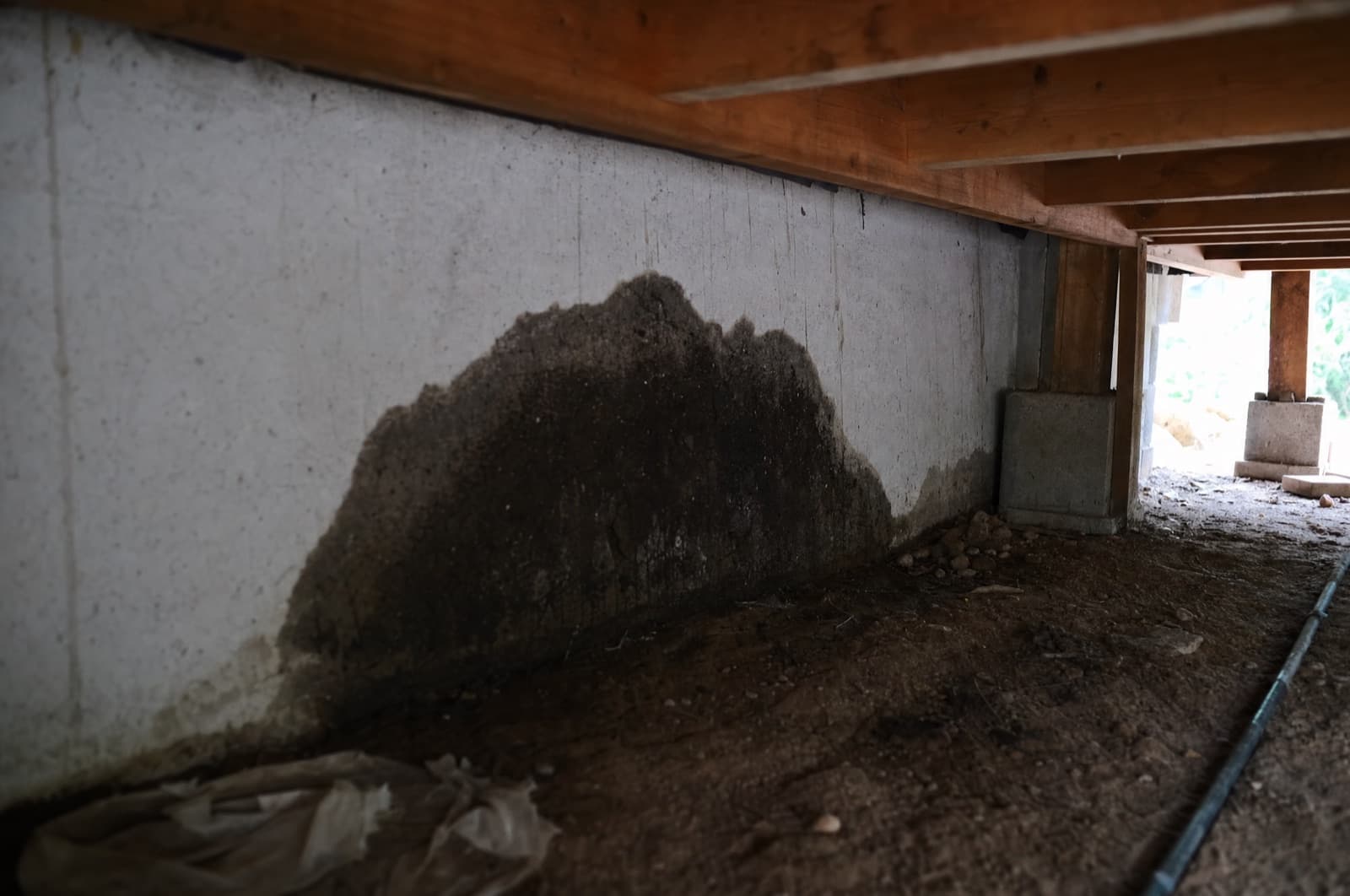
How to Prevent Termites During a Kitchen Remodel Involving Cabinets and Subfloor
This is a genuine opportunity as much as a risk — a kitchen remodel opens a rare window to find any hidden existing termite damage and to design out moisture and wood-contact problems before everything is sealed up again for another twenty years.
Real risk given kitchens are a common plumbing-leak hotspot, but the smart move is inspection while the walls and floor are open, not a reactive spray after the fact.
At a glance
- What it is: Real termite risk
- The driver: Chronic dampness from plumbing leaks in concealed wood
- Who fixes it: A licensed pest pro
This is a genuine opportunity as much as a risk — a kitchen remodel opens a rare window to find any hidden existing termite damage and to design out moisture and wood-contact problems before everything is sealed up again for another twenty years.
Real risk given kitchens are a common plumbing-leak hotspot, but the smart move is inspection while the walls and floor are open, not a reactive spray after the fact.
Pull the right lever, not the sprayer
The organism is downstream of one condition. Remove that condition and it has no foothold — which is why prevention here is rarely a pesticide.
The driver
Chronic dampness from plumbing leaks in concealed wood
Chronic dampness from sink, dishwasher, or supply-line leaks softens subfloor and cabinet-base wood and creates the humid conditions a subterranean colony needs. Kitchens also commonly sit over slabs, crawlspaces, or rim joists where soil contact and utility penetrations occur, so Extension guidance urges fixing leaks immediately and sealing utility penetrations as standard prevention.
Source:U.S. EPA— Termites: How to Identify and Control Them
4 levers, honestly ranked
Sorted by what actually moves the driver — primary first, theatre last. Effort is graded so you know what's a five-minute fix and what's a real project.
- Primary — moves the driverHire a pro
Inspect and correct while the walls and floor are open
Use the open cavity to probe subfloor, joists, and cabinet-run framing for hollow or soil-lined galleries, and check for mud tubes and moisture staining before new cabinets and flooring go in. This is the one moment you can actually see the structural wood directly; a licensed inspector can distinguish active termite galleries — with soil lining the grain — from plain water damage or old, inactive damage that poses no ongoing risk.
- Primary — moves the driverWeekend project
Fix every moisture source before closing up
Repair supply and drain leaks, make sure the dishwasher and sink connections don't wick water into the cabinet base and subfloor, and improve drying or ventilation of the space below. Removing the sustained moisture removes the condition that lets a colony establish in wood that will soon be concealed behind new cabinetry.
- SupportingHire a pro
Seal slab cracks and utility penetrations
Where plumbing or utilities pass through the slab or foundation, seal the gaps with cement, grout, or caulk to reduce hidden entry routes from soil into the kitchen area.
- OptionalHire a pro
Consider a borate wood treatment of exposed new framing, applied by a licensed pro
Borate wood treatments are applied to bare, dry framing during construction and are recognized as supplemental protection. This is a licensed applicator's product decision, not a DIY step, and it works only on dry, undisturbed wood before it's closed in behind new cabinets or flooring.
Whose job is this, really?
Who actually fixes it
A licensed pest pro
A licensed pest professional is the right call for the open-cavity inspection itself, since distinguishing active termite damage from ordinary water damage takes trained eyes; a contractor or moisture professional handles the leaks and framing repairs alongside that inspection.
Any active galleries, mud tubes, or swarmers are found during demolition — stop and get a pest professional's assessment before closing the walls or floor back up.
How this calibrates for NH
Even in a low-prevalence zone like southern New Hampshire, an open kitchen remodel is the cheapest time to inspect hidden wood for termite activity — skipping that inspection seals the question shut for the next couple of decades, in a region where the Eastern subterranean termite persists but stays localized to moisture-prone spots.
NH-licensed applicator #782664 (NHDAMF, RSA 430) · NEPMA member · family-owned since 2017.
Frequently asked
Sources(4)
- [1]U.S. EPA
Termites: How to Identify and Control Them
- [2]University of Kentucky Entomology
ENT-605: Protecting Your Home Against Termites
- [3]Mississippi State University Extension
Methods of Termite Control
- [4]Mississippi State University Extension
Signs of Termite Infestation
Written & reviewed by
VerifiedDaniel Brady
NH-Licensed Pesticide Applicator · License #782664 (NHDAMF, RSA 430)
Daniel Brady is the New Hampshire–licensed applicator behind Anchor Pest Services, a family-owned pest control company serving the Manchester area since 2017.
Your next step
- termite-mite-prevention-guides
Preventing termites when replacing subflooring and floor joists
Read the answer - termite-mite-prevention-guides
Preventing termites after water damage in a bathroom or laundry room
Read the answer - termite-mite-prevention-guides
Preventing termites around plumbing penetrations under sinks and tubs
Read the answer - faq-pest-damage-and-risks
How do termite infestations weaken homes over time?
Read the answer
Anchor Pest Services
Worth a professional termite inspection?
We've protected Southern New Hampshire homes since 2017. Free inspection, same-day service — we tell you what's actually there before we treat anything.
- NH-licensed applicator
- Same-day service
- Pet & family-conscious
NH License #782664 · No obligation · We answer in person