
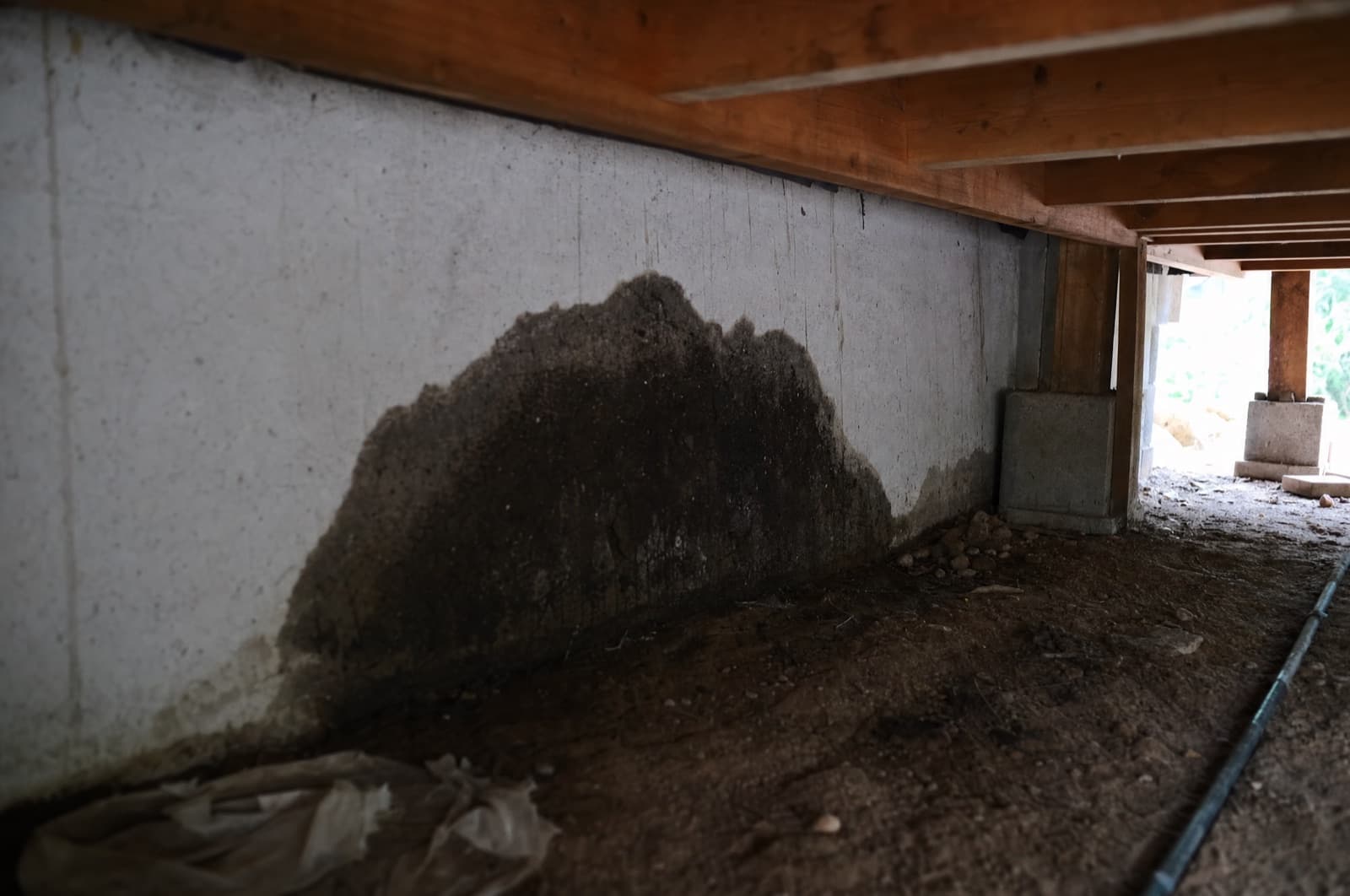
How to Prevent Termites in a Home with a Sump Pump and Frequent Moisture
This is a genuine termite-risk scenario — a sump pump is a symptom of a chronically wet substructure, and the standing water and saturated soil it manages every day are precisely the conditions subterranean termites favor.
Real, and the pump itself is a good thing to have, but it's treating the effect, not the cause. Drying out the underlying wetness is what actually removes the termite driver, not the pump running well.
At a glance
- What it is: Real termite risk
- The driver: Chronic groundwater and a persistently high water table
- Who fixes it: A moisture or building pro
This is a genuine termite-risk scenario — a sump pump is a symptom of a chronically wet substructure, and the standing water and saturated soil it manages every day are precisely the conditions subterranean termites favor.
Real, and the pump itself is a good thing to have, but it's treating the effect, not the cause. Drying out the underlying wetness is what actually removes the termite driver, not the pump running well.
Pull the right lever, not the sprayer
The organism is downstream of one condition. Remove that condition and it has no foothold — which is why prevention here is rarely a pesticide.
The driver
Chronic groundwater and a persistently high water table
Persistent soil and wood moisture supports active termite foraging and, in some cases, can allow an above-ground colony to sustain itself without a constant fresh soil connection — the wetter and more constant the moisture, the more attractive and workable the site is for termites year-round.
Source:Clemson Cooperative Extension (HGIC)— Subterranean Termite Control
3 levers, honestly ranked
Sorted by what actually moves the driver — primary first, theatre last. Effort is graded so you know what's a five-minute fix and what's a real project.
- Primary — moves the driverWeekend project
Keep the pump reliable and discharge water far from the foundation
Maintain the sump pump itself — test the float switch, and consider a battery backup for power outages — and route the discharge line well away from the house so pumped water doesn't just re-saturate the perimeter soil it came from. The goal is to move water off-site permanently, not recirculate it against the foundation. Pair this with exterior grading and extended gutter downspouts so less water reaches the sump in the first place.
- Primary — moves the driverQuick DIY
Dehumidify and dry the space between pump cycles
Run a dehumidifier and improve air movement in the basement or crawl space so wood actually dries out between wet spells rather than staying perpetually damp. Dry wood is unattractive to foraging termites and can't sustain an above-ground colony the way chronically wet wood can, so this is a genuine control, not just comfort.
- SupportingQuick DIY
Inspect the wettest zones each spring
Focus your annual check near the sump pit, the cove joint where the floor meets the wall, and any corner that stays damp longer than the rest of the space. These are the spots most likely to show mud tubes or decay first, because they're the spots that stay wettest longest.
Whose job is this, really?
Who actually fixes it
A moisture or building pro
The pump, grading, and dehumidification are waterproofing and homeowner work — that's the durable fix. A licensed pest professional's role begins only if mud tubes or actual termite activity show up near the wet zones.
Mud tubes appear near the sump pit, the basement floods repeatedly despite the pump working, or framing near the sump feels soft or damaged — request a professional inspection.
How this calibrates for NH
High water tables and heavy spring snowmelt make wet basements and active sump pumps genuinely common across southern New Hampshire, which is also where the Eastern subterranean termite is established — moisture control is the durable fix for both problems at once.
NH-licensed applicator #782664 (NHDAMF, RSA 430) · NEPMA member · family-owned since 2017.
Frequently asked
Sources(3)
- [1]Clemson Cooperative Extension (HGIC)
Subterranean Termite Control
- [2]NC State Extension
Monitoring & Management of Eastern Subterranean Termites
- [3]University of Kentucky Entomology
ENTFACT-605: Protecting Your Home Against Termites
Written & reviewed by
VerifiedDaniel Brady
NH-Licensed Pesticide Applicator · License #782664 (NHDAMF, RSA 430)
Daniel Brady is the New Hampshire–licensed applicator behind Anchor Pest Services, a family-owned pest control company serving the Manchester area since 2017.
Anchor Pest Services
Have a different pest question?
This one may not be a pesticide job — but if you're facing something that is, we serve Southern New Hampshire with a free inspection and same-day service.
- NH-licensed applicator
- Same-day service
- Pet & family-conscious
NH License #782664 · No obligation · We answer in person