
How to Prevent Termites in a Home With Stored Moving Boxes in a Damp Area
This is a genuine risk with the strongest honesty caveat in this cluster: cardboard boxes alone do not create a termite infestation. Cardboard is cellulose food, but subterranean termites still need a soil-connected colony to reach it — the box is bait and cover, not the cause.
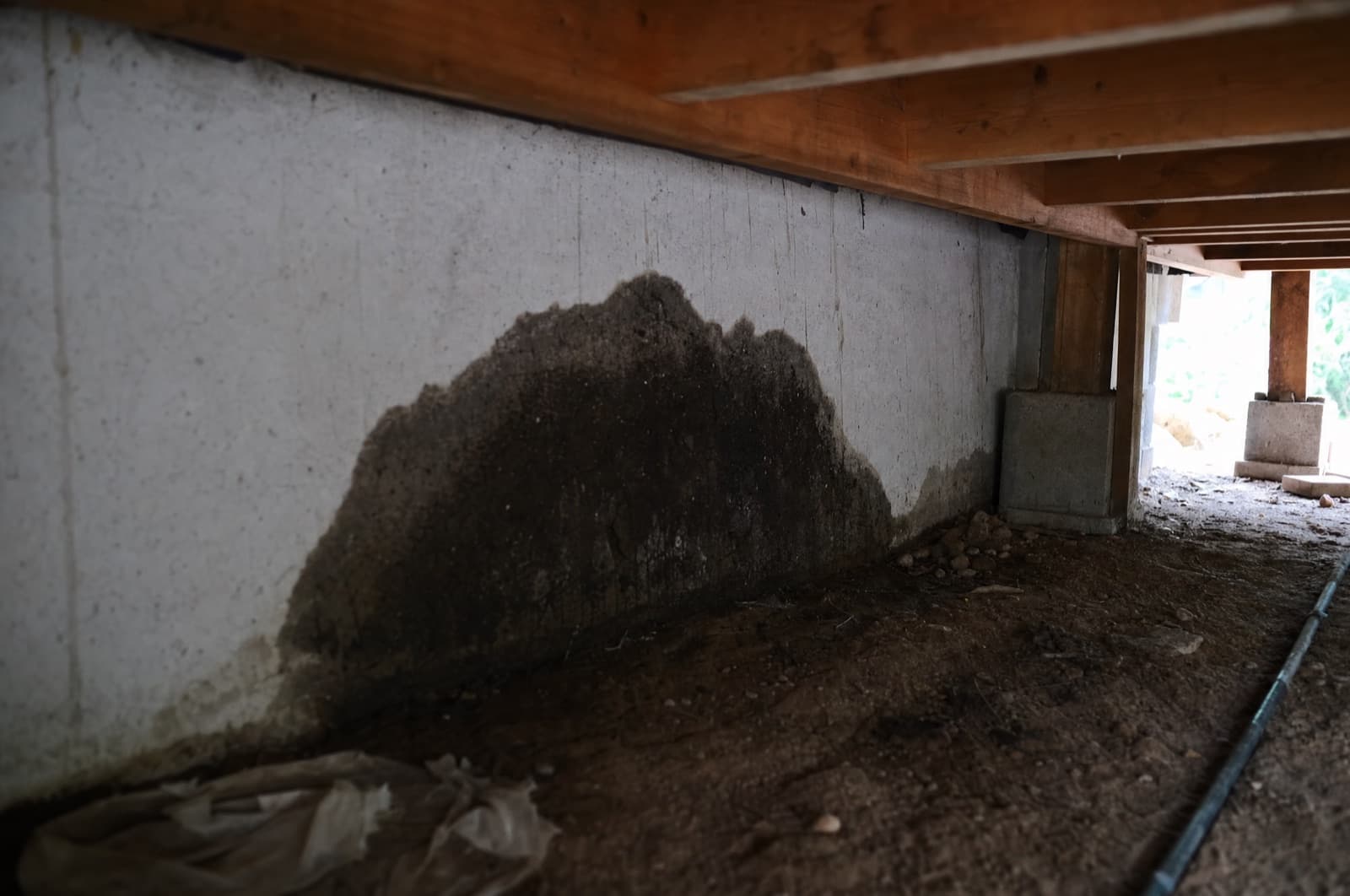
Real where boxes sit on a damp basement or crawlspace floor near foundation cracks or wood-soil contact. Boxes in a dry, sealed space with no nearby soil route are a much lower concern.
At a glance
- What it is: Real termite risk
- The driver: A damp storage area with a nearby soil route
- Who fixes it: You can handle this
This is a genuine risk with the strongest honesty caveat in this cluster: cardboard boxes alone do not create a termite infestation. Cardboard is cellulose food, but subterranean termites still need a soil-connected colony to reach it — the box is bait and cover, not the cause.
Real where boxes sit on a damp basement or crawlspace floor near foundation cracks or wood-soil contact. Boxes in a dry, sealed space with no nearby soil route are a much lower concern.
Pull the right lever, not the sprayer
The organism is downstream of one condition. Remove that condition and it has no foothold — which is why prevention here is rarely a pesticide.
The driver
A damp storage area with a nearby soil route
Cardboard readily absorbs and holds moisture, creating a damp micro-environment, and stacked boxes give foraging termites food and concealment in a rarely disturbed spot. But the true enabling condition is the damp area combined with a nearby soil or foundation route — not the paper itself, which is why drying the space matters more than the boxes.
Source:University of Kentucky Entomology— ENT-605: Protecting Your Home Against Termites
3 levers, honestly ranked
Sorted by what actually moves the driver — primary first, theatre last. Effort is graded so you know what's a five-minute fix and what's a real project.
- Primary — moves the driverWeekend project
Dry the storage area first
Fix the source of dampness — drainage, leaks, or ambient humidity — and add a dehumidifier or improve ventilation. A dry basement or crawlspace denies subterranean termites the moisture they require and simultaneously protects the stored items from mold. This is the lever that moves the actual driver, ahead of anything you do with the boxes themselves.
- Primary — moves the driverQuick DIY
Store in sealed plastic bins, off the floor and off the walls
Replace cardboard with lidded plastic totes on shelving or pallets so nothing cellulose sits on a damp slab or against the foundation. This removes the food-and-cover source and keeps the slab-to-wall junction visible for inspection.
- SupportingHire a pro
Keep the foundation perimeter sealed and inspectable
Seal foundation and slab cracks and keep the wall base clear so mud tubes can be seen if they appear. The boxes only matter as a risk if termites already have a route in from the soil — closing that route is the more fundamental protection.
Whose job is this, really?
Who actually fixes it
You can handle this
Swapping storage containers and general organization are entirely within a homeowner's control; chronic dampness or waterproofing issues are worth bringing in a moisture or building professional.
You find mud tubes on the foundation or floor near the storage area, or damaged structural wood — call a licensed pest professional. Absent a soil route and moisture, stored cardboard by itself is not an infestation waiting to happen.
How this calibrates for NH
Damp basements are common in New Hampshire homes, and the fix here — drying the space and switching to totes — also solves mold concerns and is high-value regardless of the region's genuinely low baseline termite prevalence at the northern edge of the Eastern subterranean termite's range.
NH-licensed applicator #782664 (NHDAMF, RSA 430) · NEPMA member · family-owned since 2017.
Frequently asked
Sources(3)
- [1]U.S. EPA
Termites: How to Identify and Control Them
- [2]University of Kentucky Entomology
ENT-605: Protecting Your Home Against Termites
- [3]Rutgers Cooperative Extension
FS338: Termite Prevention and Control
Written & reviewed by
VerifiedDaniel Brady
NH-Licensed Pesticide Applicator · License #782664 (NHDAMF, RSA 430)
Daniel Brady is the New Hampshire–licensed applicator behind Anchor Pest Services, a family-owned pest control company serving the Manchester area since 2017.
Your next step
- termite-mite-prevention-guides
Preventing termites in a garage with stored lumber and cardboard
Read the answer - termite-mite-prevention-guides
Preventing termites in homes with a damp basement and musty odors
Read the answer - termite-mite-prevention-guides
Preventing termites in a basement with exposed wood framing
Read the answer - faq-pest-damage-and-risks
Do termites really eat wood inside houses?
Read the answer
Anchor Pest Services
Have a different pest question?
This one may not be a pesticide job — but if you're facing something that is, we serve Southern New Hampshire with a free inspection and same-day service.
- NH-licensed applicator
- Same-day service
- Pet & family-conscious
NH License #782664 · No obligation · We answer in person