
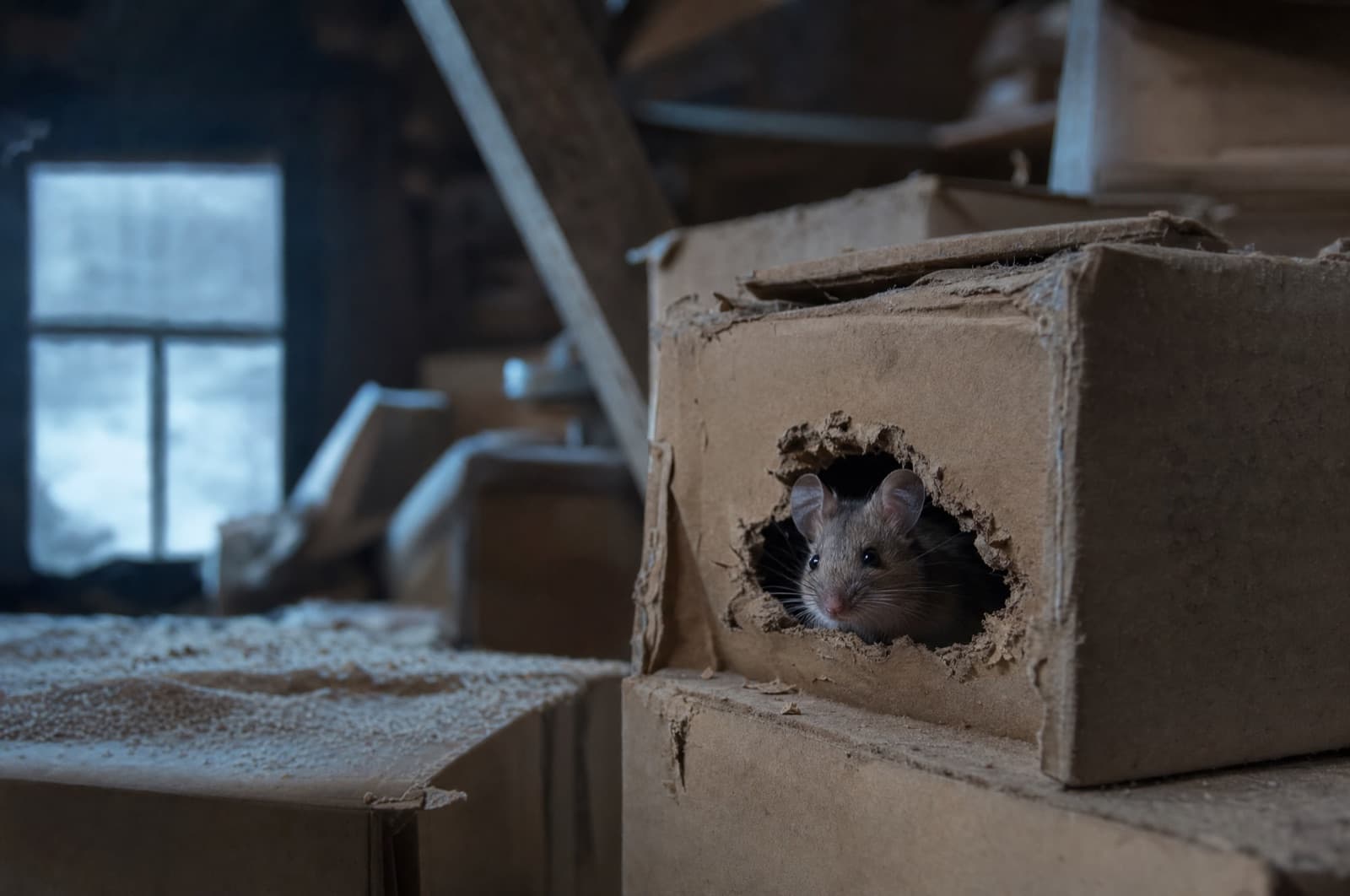
Can moths become a winter issue indoors?

Don't wait - every day increases health risks and property damage. These aggressive rodents multiply rapidly and spread dangerous diseases.

Professional elimination is the ONLY safe and effective solution. DIY methods fail 90% of the time and can make the problem worse.

24 Hours

Average response time

100%

Satisfaction guarantee

Call now for same-day, eco-friendly pest control

With over 20 years of experience, Anchor Pest offers personalized, chemical-safe treatments for homes and businesses across Manchester and surrounding counties

(603) 785-0118

Contact Us

Can moths become a winter issue indoors?


Can Moths Become a Winter Issue Indoors?


Yes, moths can definitely become a winter issue indoors, even though you may not see them flying around as often as in warmer months. The main problem isn't the adult flying moths, but their eggs, larvae (caterpillars), and pupae that hide and continue their destructive life cycles all year round if they are inside your home. Over winter, two main types of moths can create problems indoors: clothes moths (especially webbing clothes moths) and pantry moths (Indian meal moths), and they can continue damaging clothing, natural fibers, or stored foods even when it’s cold outside.


Why Do Moths Stay Active During Winter Indoors?


Most moths, including the ones that become pests in homes, generally can't survive extreme cold. But your house provides a warm, sheltered environment. Indoor heating keeps temperatures high enough for eggs and larvae to keep growing, eating, and causing damage. Moth life cycles may slow down due to cooler indoor temperatures compared to summer, but they do not stop.

  • Clothes moths (*Tineola bisselliella*): These are tiny, golden-colored moths whose larvae (“baby moths”) chew holes in wool, cashmere, silk, feathers, fur, and even carpets and upholstered furniture. They hide in closets, drawers, or storage boxes where clothing is kept.
  • Pantry moths (*Plodia interpunctella*): These lay eggs in stored food products like flour, grains, cereal, dried fruit, pet food, or nuts. The hatched larvae make webbing and eat your stored food.


How Moths Get Inside and Where They Hide


You might wonder how moths are getting indoors in the first place. Adult moths usually enter through open doors or windows in warmer months, but their eggs or larvae often come inside on infested food packages and even in clothing or furniture. Once inside, they settle in dark, undisturbed areas: closets, rarely opened drawers, attics, food pantries, or basement storage. Even if you kill the adults, the eggs and larvae hiding in cracks, fabric folds, or food packages can survive for months.

  • Clothes moth eggs and larvae hide deep inside fibers, seams, or under collars and cuffs of clothing.
  • Pantry moths lay their eggs in or near food packaging, and the larvae burrow inside the food to grow and feed.


Winter Moth Damage: What to Watch For


Winter isn’t a break for your belongings. As long as indoor conditions remain warm enough, moth larvae keep feeding. This means:

  • Clothes moth larvae create irregular holes in wool or cashmere sweaters, scarves, coats, blankets, or natural fiber carpets. You may also see thin silken tubes or mats (webs), larval skins, or small sand-grain-like droppings (frass).
  • Pantry moth larvae create webbing and clumps in flour, grains, cereal, or other foods, sometimes spoiling entire packages. You might see tiny worms or cocoons inside containers, corners of cupboards, or around lids.


How to Prevent and Stop Moth Issues in Winter


The best way to avoid moth problems is to break their life cycle and remove all food sources for larvae. Here’s what you should do:

  • Inspect and Clean: Regularly check your closets, drawers, and pantry for signs of larvae, webbing, or damage. Vacuum thoroughly—especially corners, under furniture, and inside closets and cupboards—to remove eggs and larvae.
  • Launder and Store Properly: Wash or dry-clean clothes before storing for winter. Store out-of-season clothing in sealed plastic containers or vacuum bags. Cedar blocks or lavender sachets may help repel moths but won't kill eggs or larvae.
  • Protect Food: Transfer dry food items to airtight glass, heavy plastic, or metal containers. Throw away infested food immediately. Clean pantry shelves, cracks, and around food containers well with soapy water or vinegar solution.
  • Seal Entry Points: Patch window screens, weather-strip doors, and keep windows/doors closed as much as possible during moth season.
  • Use Traps: Use pheromone moth traps for clothes or pantry moths as an early warning, but understand that traps alone won’t eliminate a bad infestation.
  • Professional Help: If you have persistent moth problems despite these steps, consider calling a pest control expert—they have stronger products and methods that can get rid of the infestation safely.


Summary: Moths Are a Winter Risk Indoors


To sum up: Yes, moths are a winter issue in homes because their eggs and larvae keep developing in the warmth indoors, continuing to feed on clothes or stored food all year. Watch for signs, keep things clean, store food and clothing carefully, and act quickly to remove any signs of infestation for the best protection. Regular vigilance is much easier than dealing with a large infestation and replacing damaged items later.

Protect Your Family Today

Professional pest control eliminates troubles immediately. Our safe, effective treatments protect your loved ones from dangerous diseases.

Read More About Keeping  Rodents and Bugs Out of Your Home

Which pests do I need to watch out for in winter?

Discover the most common winter pests—mice, spiders, rodents and more. Learn how to spot early signs of infestation and protect your home and garden this cold season.

Read More

Heading 1

Heading 2

Heading 3

Heading 4

Heading 5
Heading 6

Lorem ipsum dolor sit amet, consectetur adipiscing elit, sed do eiusmod tempor incididunt ut labore et dolore magna aliqua. Ut enim ad minim veniam, quis nostrud exercitation ullamco laboris nisi ut aliquip ex ea commodo consequat. Duis aute irure dolor in reprehenderit in voluptate velit esse cillum dolore eu fugiat nulla pariatur.

Block quote

Ordered list

  1. Item 1
  2. Item 2
  3. Item 3

Unordered list

  • Item A
  • Item B
  • Item C

Text link

Bold text

Emphasis

Superscript

Subscript

How can snow melt near the foundation increase pest risk?

Learn why melting snow around your foundation creates damp, inviting conditions for pests—rodents, insects and more—and discover simple prevention tips.

Read More

Heading 1

Heading 2

Heading 3

Heading 4

Heading 5
Heading 6

Lorem ipsum dolor sit amet, consectetur adipiscing elit, sed do eiusmod tempor incididunt ut labore et dolore magna aliqua. Ut enim ad minim veniam, quis nostrud exercitation ullamco laboris nisi ut aliquip ex ea commodo consequat. Duis aute irure dolor in reprehenderit in voluptate velit esse cillum dolore eu fugiat nulla pariatur.

Block quote

Ordered list

  1. Item 1
  2. Item 2
  3. Item 3

Unordered list

  • Item A
  • Item B
  • Item C

Text link

Bold text

Emphasis

Superscript

Subscript

What problems occur when pest exclusion is delayed in winter?

Delayed winter pest exclusion lets rodents, insects and other wildlife find shelter, causing structural damage, health risks and costly repairs. Act fast to protect your home.

Read More

Heading 1

Heading 2

Heading 3

Heading 4

Heading 5
Heading 6

Lorem ipsum dolor sit amet, consectetur adipiscing elit, sed do eiusmod tempor incididunt ut labore et dolore magna aliqua. Ut enim ad minim veniam, quis nostrud exercitation ullamco laboris nisi ut aliquip ex ea commodo consequat. Duis aute irure dolor in reprehenderit in voluptate velit esse cillum dolore eu fugiat nulla pariatur.

Block quote

Ordered list

  1. Item 1
  2. Item 2
  3. Item 3

Unordered list

  • Item A
  • Item B
  • Item C

Text link

Bold text

Emphasis

Superscript

Subscript

How do cold snaps trigger pest invasions inside homes?

Learn how sudden cold snaps drive insects and rodents indoors, what lures them, and simple strategies to seal entry points and protect your home from unwanted pest invasions.

Read More

Heading 1

Heading 2

Heading 3

Heading 4

Heading 5
Heading 6

Lorem ipsum dolor sit amet, consectetur adipiscing elit, sed do eiusmod tempor incididunt ut labore et dolore magna aliqua. Ut enim ad minim veniam, quis nostrud exercitation ullamco laboris nisi ut aliquip ex ea commodo consequat. Duis aute irure dolor in reprehenderit in voluptate velit esse cillum dolore eu fugiat nulla pariatur.

Block quote

Ordered list

  1. Item 1
  2. Item 2
  3. Item 3

Unordered list

  • Item A
  • Item B
  • Item C

Text link

Bold text

Emphasis

Superscript

Subscript

Are crawl spaces in homes major pest entry points in winter?

Unsealed crawl spaces can become winter pest entry points. Learn how sealing, insulation, and moisture control protect homes from rodents and insects.

Read More

Heading 1

Heading 2

Heading 3

Heading 4

Heading 5
Heading 6

Lorem ipsum dolor sit amet, consectetur adipiscing elit, sed do eiusmod tempor incididunt ut labore et dolore magna aliqua. Ut enim ad minim veniam, quis nostrud exercitation ullamco laboris nisi ut aliquip ex ea commodo consequat. Duis aute irure dolor in reprehenderit in voluptate velit esse cillum dolore eu fugiat nulla pariatur.

Block quote

Ordered list

  1. Item 1
  2. Item 2
  3. Item 3

Unordered list

  • Item A
  • Item B
  • Item C

Text link

Bold text

Emphasis

Superscript

Subscript

Can snow cover actually help rodent movement under houses?

Discover how snow cover can create insulated pathways that actually aid rodent movement beneath houses—impacting winter pest behavior and home protection strategies.

Read More

Heading 1

Heading 2

Heading 3

Heading 4

Heading 5
Heading 6

Lorem ipsum dolor sit amet, consectetur adipiscing elit, sed do eiusmod tempor incididunt ut labore et dolore magna aliqua. Ut enim ad minim veniam, quis nostrud exercitation ullamco laboris nisi ut aliquip ex ea commodo consequat. Duis aute irure dolor in reprehenderit in voluptate velit esse cillum dolore eu fugiat nulla pariatur.

Block quote

Ordered list

  1. Item 1
  2. Item 2
  3. Item 3

Unordered list

  • Item A
  • Item B
  • Item C

Text link

Bold text

Emphasis

Superscript

Subscript

Can neighboring homes’ pest issues spill into my home in winter?

Worried neighboring homes’ pests could spill into your home in winter? Learn how infestations travel between houses and tips to keep your home pest-free.

Read More

Heading 1

Heading 2

Heading 3

Heading 4

Heading 5
Heading 6

Lorem ipsum dolor sit amet, consectetur adipiscing elit, sed do eiusmod tempor incididunt ut labore et dolore magna aliqua. Ut enim ad minim veniam, quis nostrud exercitation ullamco laboris nisi ut aliquip ex ea commodo consequat. Duis aute irure dolor in reprehenderit in voluptate velit esse cillum dolore eu fugiat nulla pariatur.

Block quote

Ordered list

  1. Item 1
  2. Item 2
  3. Item 3

Unordered list

  • Item A
  • Item B
  • Item C

Text link

Bold text

Emphasis

Superscript

Subscript

How can homeowners use smart home sensors to detect pests in winter?

Learn how homeowners can use smart home sensors—motion, temperature, humidity, and sound detectors—to detect winter pests, receive real-time alerts, and safeguard their home.

Read More

Heading 1

Heading 2

Heading 3

Heading 4

Heading 5
Heading 6

Lorem ipsum dolor sit amet, consectetur adipiscing elit, sed do eiusmod tempor incididunt ut labore et dolore magna aliqua. Ut enim ad minim veniam, quis nostrud exercitation ullamco laboris nisi ut aliquip ex ea commodo consequat. Duis aute irure dolor in reprehenderit in voluptate velit esse cillum dolore eu fugiat nulla pariatur.

Block quote

Ordered list

  1. Item 1
  2. Item 2
  3. Item 3

Unordered list

  • Item A
  • Item B
  • Item C

Text link

Bold text

Emphasis

Superscript

Subscript

What is the cost of pest damage in winter homes?

Discover the true cost of pest damage in winter homes. Learn about common cold-weather invaders, average repair and treatment expenses, and smart prevention tips.

Read More

Heading 1

Heading 2

Heading 3

Heading 4

Heading 5
Heading 6

Lorem ipsum dolor sit amet, consectetur adipiscing elit, sed do eiusmod tempor incididunt ut labore et dolore magna aliqua. Ut enim ad minim veniam, quis nostrud exercitation ullamco laboris nisi ut aliquip ex ea commodo consequat. Duis aute irure dolor in reprehenderit in voluptate velit esse cillum dolore eu fugiat nulla pariatur.

Block quote

Ordered list

  1. Item 1
  2. Item 2
  3. Item 3

Unordered list

  • Item A
  • Item B
  • Item C

Text link

Bold text

Emphasis

Superscript

Subscript

Professional Solution That Actually Works

Our certified technicians eliminate pests infestations completely and permanently.
Here's what you get:

🔍

Immediate Assessment

Trained experts identify entry points and nesting areas

🛡️

Safe Treatment

Pet and family-friendly methods used

🎯

Complete Elimination

Targets entire colony, not just visible insects or rodents

📋

Prevention Plan

Long-term exclusion strategies

🧽

Health Protection

Proper cleanup and sanitization

Guarantee

Service warranty and follow-up visits

Our 3-Step Elimination Process

🔍

1. Immediate Inspection

Complete property assessment within 24 hours

🎯

2. Targeted Elimination

Safe, effective treatment of entire colony

🛡️

3. Prevention Plan

Long-term exclusion and monitoring

Ready to Solve This Problem Forever?

Join thousands of satisfied customers who chose professional pest control.
100% satisfaction guarantee.

Licensed & Insured • Same-Day Service • 100% Guarantee*