
Skip to content
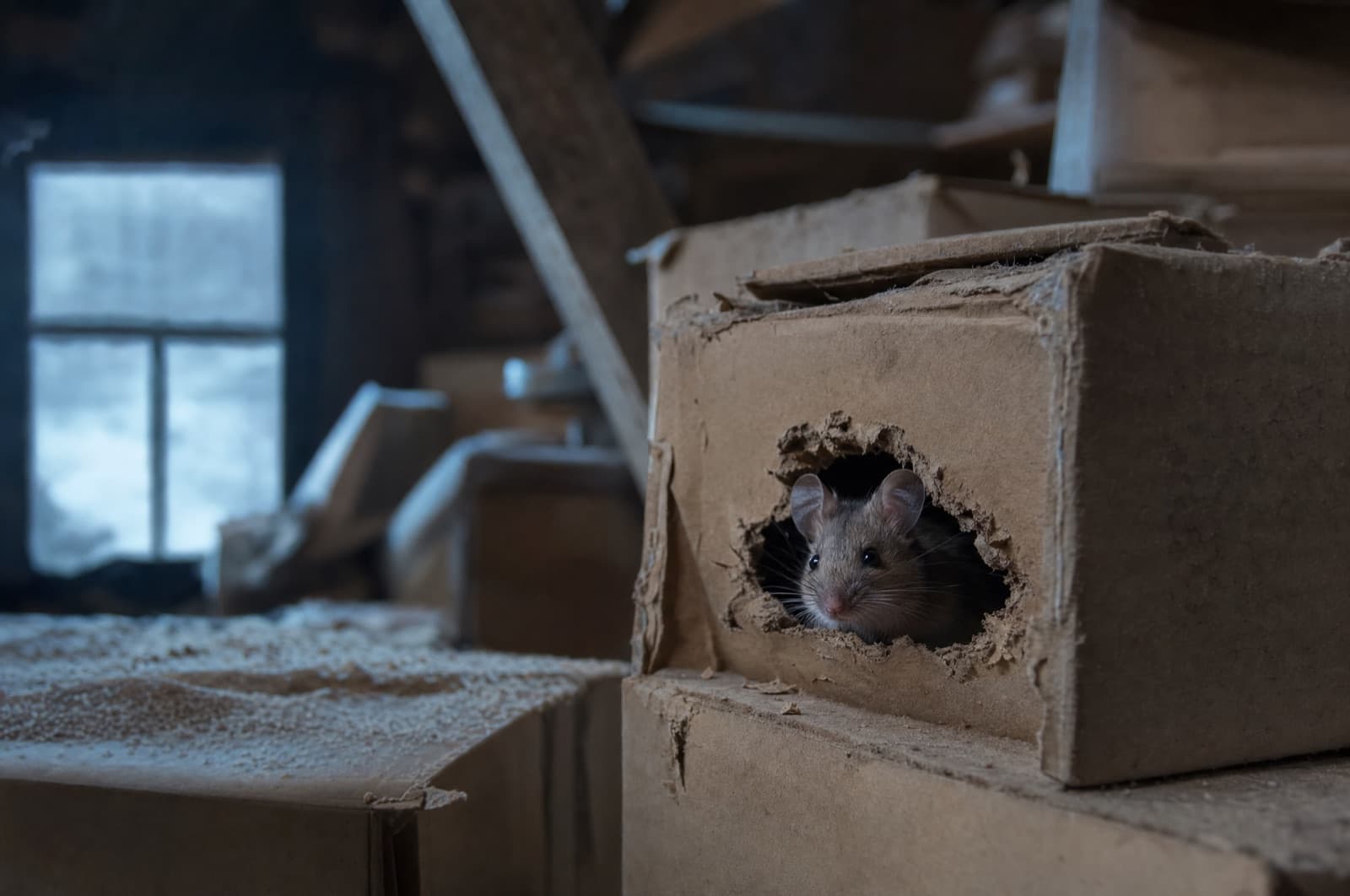
A house mouse in a gnawed cardboard storage box in a cold New Hampshire attic
Daniel Brady · NH-Licensed Pesticide Applicator · License #782664
Reviewed by Daniel Brady

What pets can increase pest risk inside homes during winter?

Moderate risk factor — and it's the husbandry, not the pet
Moderately, and the honest reframe is that pets don't attract winter pests simply by existing — their food and waste do.Left-out dry kibble and open pet-food bags are concentrated, protein-and-carb-rich targets for mice, rats, ants, cockroaches, and pantry pests like Indian meal moths and grain beetles. Pets can also carry fleas and ticks indoors on their coat, and outdoor bird feeding or dog waste left in the yard draws rodents toward the foundation. Every one of these is a storage or husbandry fix, not a reason to reconsider having a pet.

At a glance

  • The verdict: Moderate risk factor — and it's the husbandry, not the pet
The honest answer

The short of it

The verdict
Moderate risk factor — and it's the husbandry, not the pet

Moderate, and it's not the pet — it's the open bowl of kibble and the bag left in the garage. Storage and feeding habits, not the animal itself, drive the risk.

Why your house

How much this factor matters

Pet food storage, feeding habits, and outdoor pet-related attractantsModerate factor
Why

Pet food supplies exactly the concentrated nutrition mice, rats, and cockroaches are searching for as temperatures drop, and mice are known to cache kibble inside wall voids, where the cached food can then sustain a secondary population of stored-product insects like grain beetles or Indian meal moths. An uncovered water bowl left out overnight also supplies water, which is a genuine limiting resource for rodents in winter and can be as significant an attractant as the food itself. Fleas and ticks hitchhike indoors on a pet's coat after outdoor time, introducing a separate pest category tied to animal contact rather than to structural entry. Outdoors, dog waste left in the yard and spilled birdseed under a feeder both draw rodents toward the foundation — the CDC specifically recommends keeping bird feeders and compost away from the house and storing any grain or feed in metal or thick-plastic containers.

Yes — you can change this
Store pet food in sealed metal or hard-plastic containers rather than leaving bags open in a pantry or garage, since rodents readily chew through soft plastic and paper bags. Feed pets on a schedule rather than leaving food out continuously, and pick up and wash bowls between feedings rather than leaving residue available overnight. Keep bird feeders well away from the house and clean up spilled seed regularly, and pick up dog waste promptly rather than letting it accumulate near the foundation. Maintain a vet-recommended flea and tick prevention program — ask your veterinarian which product class fits your pet and situation, and follow the product label; dosing and diagnosis are a veterinary matter, not a pest-control one.

Assessed from: CDC Seal Up! rodent attractants and food storage guidance; NPIC Rodents sanitation guidance

In depth

The full picture

01

Why the pet isn't the problem

It's worth being direct about this: no pest is drawn to a dog or a cat as an animal. What draws mice, rats, ants, and cockroaches is the concentrated, easily accessible food a pet's presence typically brings into a house — kibble in an open bag, a full bowl left out overnight, spilled crumbs around a feeding station.

That distinction matters because it means the fix has nothing to do with the pet and everything to do with storage and routine. A household can keep pets and still remove nearly all of this risk factor with a few changes to how food is stored and served.

02

The specific things that go wrong

Open bags of dry kibble left in a garage or mudroom are a documented attractant, and once mice find them, they don't just eat on the spot — they cache food inside wall voids, effectively planting a food source that can sustain secondary pests like pantry moths and grain beetles long after the original bag is gone. An uncovered water bowl adds a second attractant: water is often the harder resource for rodents to find indoors in winter, so it can matter as much as the food itself.

Outdoors, the pattern repeats at a different scale. Dog waste and spilled birdseed under a feeder both draw rodents toward the yard and, eventually, the foundation — problems that have nothing to do with indoor storage but follow the same underlying logic.

03

What actually fixes it

The fixes here are all storage and scheduling changes, not pet-management changes. Sealed metal or hard-plastic pet-food containers remove the chewable-access problem the same way they do for any other stored food in this hub. A feeding schedule, rather than food left out all day, removes the extended-access window that makes a bowl attractive.

Outdoors, moving bird feeders away from the house and staying on top of waste cleanup closes the yard-level version of the same risk. None of this requires giving anything up — it's a change in where and how things are stored, which is the same principle that runs through nearly every risk factor in this hub.

Key takeaways
5 points
  • Pets don't attract winter pests by existing — their food, water, and waste do, which makes this entirely a storage and husbandry issue.
  • Mice cache kibble in wall voids, which can sustain a secondary population of pantry moths or grain beetles long-term.
  • An uncovered water bowl can be as significant an attractant as food, since water is a limiting resource for rodents indoors in winter.
  • Sealed metal or hard-plastic pet-food storage and a feeding schedule remove most of the indoor risk.
  • Outdoors, move bird feeders away from the house and clean up spilled seed and dog waste to avoid drawing rodents to the foundation.
New Hampshire context

Pet households heading into a New Hampshire winter

As outdoor food sources disappear ahead of Manchester's first hard frost — typically October 19 to 29 per NOAA — rodents actively searching for reliable indoor food make an open bag of pet food or a full outdoor feeder a genuinely attractive target, more so than during the rest of the year.

A fall check of pet-food storage, feeding routine, and feeder placement is a reasonable companion to the broader seal-up work covered elsewhere in this hub, and it costs nothing beyond switching containers.

  • NH-licensed #782664

    Southern New Hampshire

  • Family-owned

    Since 2017

  • Honest routing

    Even when it isn’t us

We serve these communities

ManchesterNashuaConcordDerryBedfordSalemHudsonAmherst

Sealed food storage handles most of this yourself.

Switch containers and set a feeding schedule — a free-quote conversation is worth having if mice have already found the kibble.

Follow-up questions

Frequently asked

Sources & citations(4)
  1. CDC — How to Seal Up to Prevent Rodents

    Rodent attractants including pet food, bird feeders, and grain storage; storing feed in metal or thick-plastic containers

    govverified 2026-07-16
  2. NPIC — Rodents

    Sanitation and food-source removal as primary rodent-management levers

    npicverified 2026-07-16
  3. University of Minnesota Extension — Pantry Pests and Stored Food

    Grain beetles and Indian meal moths establishing in stored food, including pet food and cached kibble

    extensionverified 2026-07-16
  4. NOAA — Manchester, NH freeze climatology

    Manchester first hard frost typically ~Oct 19-29 — the seasonal window when rodents actively seek indoor food sources

    govverified 2026-07-16

Written & reviewed by

Verified

Daniel Brady

NH-Licensed Pesticide Applicator · License #782664 (NHDAMF, RSA 430)

Daniel Brady is the New Hampshire–licensed applicator behind Anchor Pest Services, a family-owned pest control company serving the Manchester area since 2017.

Verify license

Last updated Jul 2026

Honest pest help for New Hampshire homes

It's Not Your Pet. It's the Open Bag Next to the Bowl.

We won't tell a pet owner to change anything about their animal — the fix here is storage and routine, which costs nothing. Where Anchor Pest Services actually helps is if mice have already found a way in through the food source or elsewhere in the home. Family-owned since 2017, NH license #782664, serving Manchester, Nashua, Concord and nearby towns.

  • Honest advice — we'll tell you when the fix is a storage container, not a service visit
  • NH-licensed applicators (#782664) — free inspection, same-day service
  • Rodent exclusion and winter pest control across southern and central New Hampshire

NH License #782664 · No obligation · We answer in person