
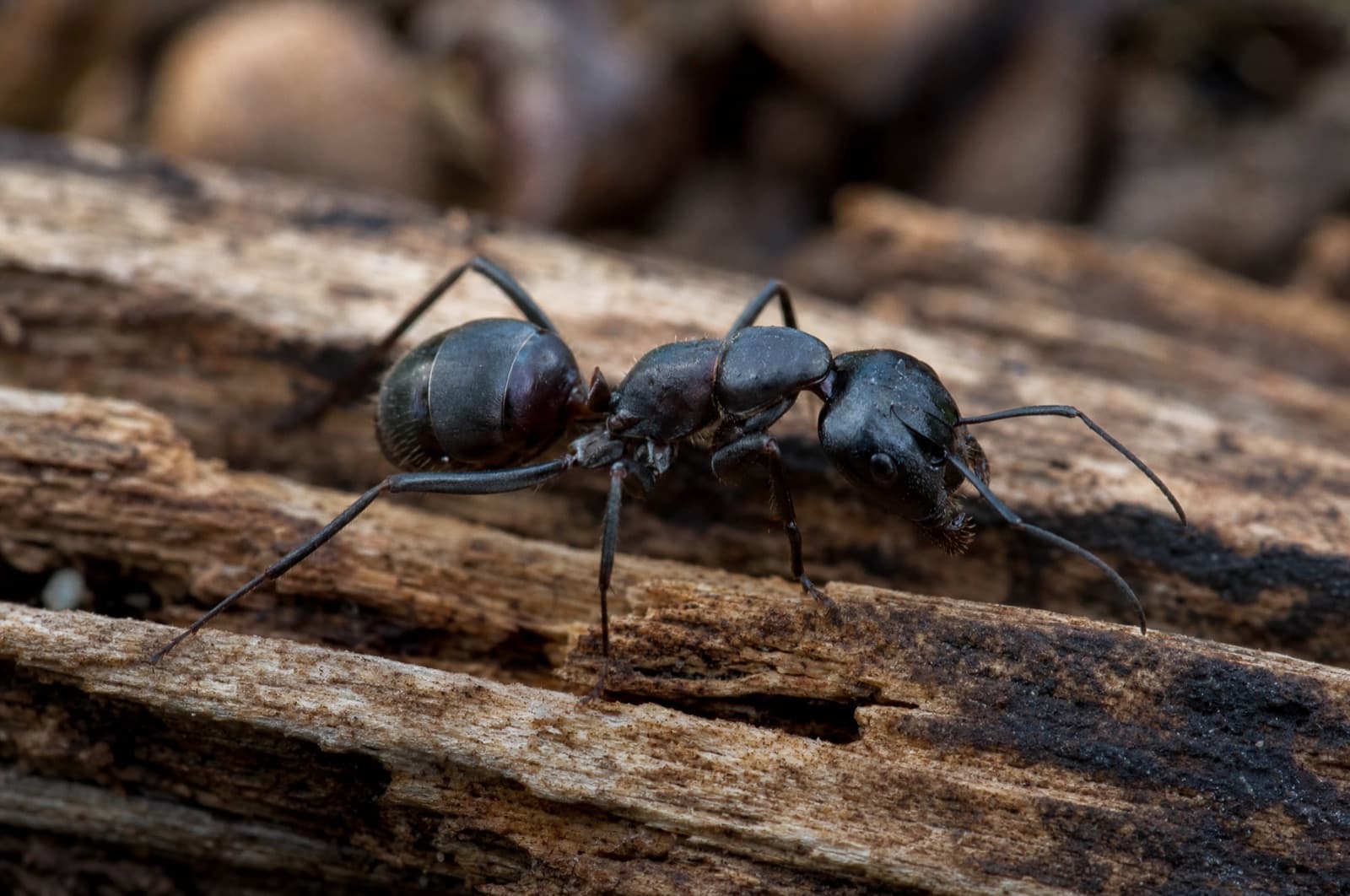
How To Get Rid Of Ants During The Winter?

Don't wait - every day increases health risks and property damage. These aggressive rodents multiply rapidly and spread dangerous diseases.

Professional elimination is the ONLY safe and effective solution. DIY methods fail 90% of the time and can make the problem worse.

24 Hours

Average response time

100%

Satisfaction guarantee

Call now for same-day, eco-friendly pest control

With over 20 years of experience, Anchor Pest offers personalized, chemical-safe quarterly subscriptions, protecting homes and businesses across Manchester and surrounding counties with ongoing peace of mind.

(603) 785-0118

Contact Us

How Do Ants Survive During The Winter?

Ants survive winter by going into a resting state called diapause: they move to insulated spaces (deep soil, wood, or building walls), huddle together to share heat, slow their bodies to use almost no energy, live off stored fat and food, protect the queen and brood, and some make natural “antifreeze” chemicals until warmth returns.


What happens inside the colony


Inside the nest, ants:

  • Move below the frost line or into thick wood for stable temperatures and moisture.
  • Cluster tightly around the queen and brood, reducing heat loss.
  • Seal cracks with soil or wood fibers to block cold, wind, and predators.
  • Lower metabolism and stop foraging, surviving on body fat and any stored food.
  • Use glycerol and other sugars (natural antifreeze) to keep body fluids from freezing.


Different strategies by species


  • Soil/forest ants: dig deeper chambers before winter and pause brood rearing.
  • Carpenter ants: overwinter inside wood (trees, stumps, homes), sealing galleries.
  • Pavement/house ants: shift into wall voids, under slabs, or near pipes where it’s warmer.
  • Harvester/honeypot ants: rely more on stored seeds or nectar held by “replete” workers.
  • Fire ants: build deeper vertical tunnels; the colony contracts tightly around the queen.


Why you might still see ants in winter


Heated buildings keep colonies active; in mild climates, warm spells trigger brief foraging.


Spring wake-up


Longer days and warmer soil raise metabolism, antifreeze levels drop, brood care resumes, and foragers return above ground.

Protect Your Family Today

Professional pest control eliminates troubles immediately. Our safe, effective treatments protect your loved ones from dangerous diseases.

Signs Of Ants During The Winter


Quick signs of ants in winter


Ants in winter almost always mean the colony is inside your home, nesting near heat or moisture. Look for these signs:

  • Live ants on unseasonably warm days or near heat sources (radiators, appliances).
  • Nighttime sightings in kitchens or bathrooms as ants forage for water and sweets.
  • Consistent trails along baseboards, plumbing lines, or heating pipes.
  • Small piles of sawdust-like debris (frass), sometimes with insect parts—strong clue for carpenter ants.
  • Faint rustling or tapping sounds in walls when rooms are warm; frass may appear after you gently tap wood.
  • Discarded wings on windowsills or in basements; ants’ front wings are larger than the hind wings.
  • Tiny “pinholes” or slit openings in wood with frass below, especially near window/door frames.
  • Ants emerging from outlets, light fixtures, or gaps around pipes (they use voids to travel).
  • Activity clustered around leaks, damp wood, or insulation (moisture attracts and softens wood).


Where to check and how to confirm


  • Inspect warm, moist zones: under sink cabinets, dishwasher edges, bathrooms, laundry areas, boiler rooms, and attics near vents.
  • Follow any trail to find entry points at gaps around plumbing, wiring, window frames, and sill plates.
  • Differentiate from termites: ants have a narrow “waist” and bent (elbowed) antennae; termites have straight bodies and equal-length wings.
  • Look for repeat frass piles and recurring winged ants indoors—both indicate an indoor nest, commonly carpenter ants.
  • Capture a few ants on clear tape for identification if you need expert confirmation.

How To Get Rid Of Ants During The Winter?

Use slow-acting ant baits (both sweet and greasy), not sprays. Place them along ant trails and entry points, remove food and moisture, seal gaps, and monitor for 1–2 weeks. If you see large black ants or sawdust indoors in winter, call a pro (possible carpenter ants).


Quick steps that work in winter


  • Vacuum visible ants, then deploy bait stations; let ants carry bait home. Expect results in 3–14 days.
  • Offer two bait types: sugar-based (e.g., liquid sugar/borax) and protein/grease (e.g., peanut butter/borax).
  • Place baits on trails, under sinks, behind appliances, near door frames and baseboards; keep from kids/pets.
  • Avoid repellent sprays, bleach, or vinegar near baits; clean with mild soapy water only after trails shift.


Stop them coming inside


  • Seal cracks and gaps with caulk; add weatherstripping and door sweeps; repair screens.
  • Fix leaks, insulate sweating pipes, and run a dehumidifier (target 40–50% humidity).
  • Store food airtight; wipe crumbs and sticky spots; manage pet food; keep trash sealed and dry.
  • Trim branches touching the house; keep firewood off ground and away from walls.


Carpenter ants and when to call a pro


  • Signs: large black ants active indoors in winter, piles of sawdust-like “frass,” rustling in walls, soft wood.
  • These indicate an indoor nest; professional treatment (non-repellent insecticides and void dusting) is best.
  • If baiting doesn’t cut activity within 2 weeks, or you find winged ants indoors, schedule an inspection.
  • Until service, continue baiting, reduce moisture, and seal access points.

Spotted Any of These Signs?

Don't risk your family's health. Our certified technicians can be at your property within 24 hours.

Professional Solution That Actually Works

Our certified technicians eliminate pests infestations completely and permanently.
Here's what you get:

🔍

Immediate Assessment

Trained experts identify entry points and nesting areas

🛡️

Safe Treatment

Pet and family-friendly methods used

🎯

Complete Elimination

Targets entire colony, not just visible insects or rodents

📋

Prevention Plan

Long-term exclusion strategies

🧽

Health Protection

Proper cleanup and sanitization

Guarantee

Service warranty and follow-up visits

Our 3-Step Elimination Process

🔍

1. Immediate Inspection

Complete property assessment within 24 hours

🎯

2. Targeted Elimination

Safe, effective treatment of entire colony

🛡️

3. Prevention Plan

Long-term exclusion and monitoring

Ready to Solve This Problem Forever?

Join thousands of satisfied customers who chose professional pest control.
100% satisfaction guarantee.

Quarterly Subscription Plans • Licensed & Insured • Same-Day Start • 100% Satisfaction Guarantee