
Skip to content
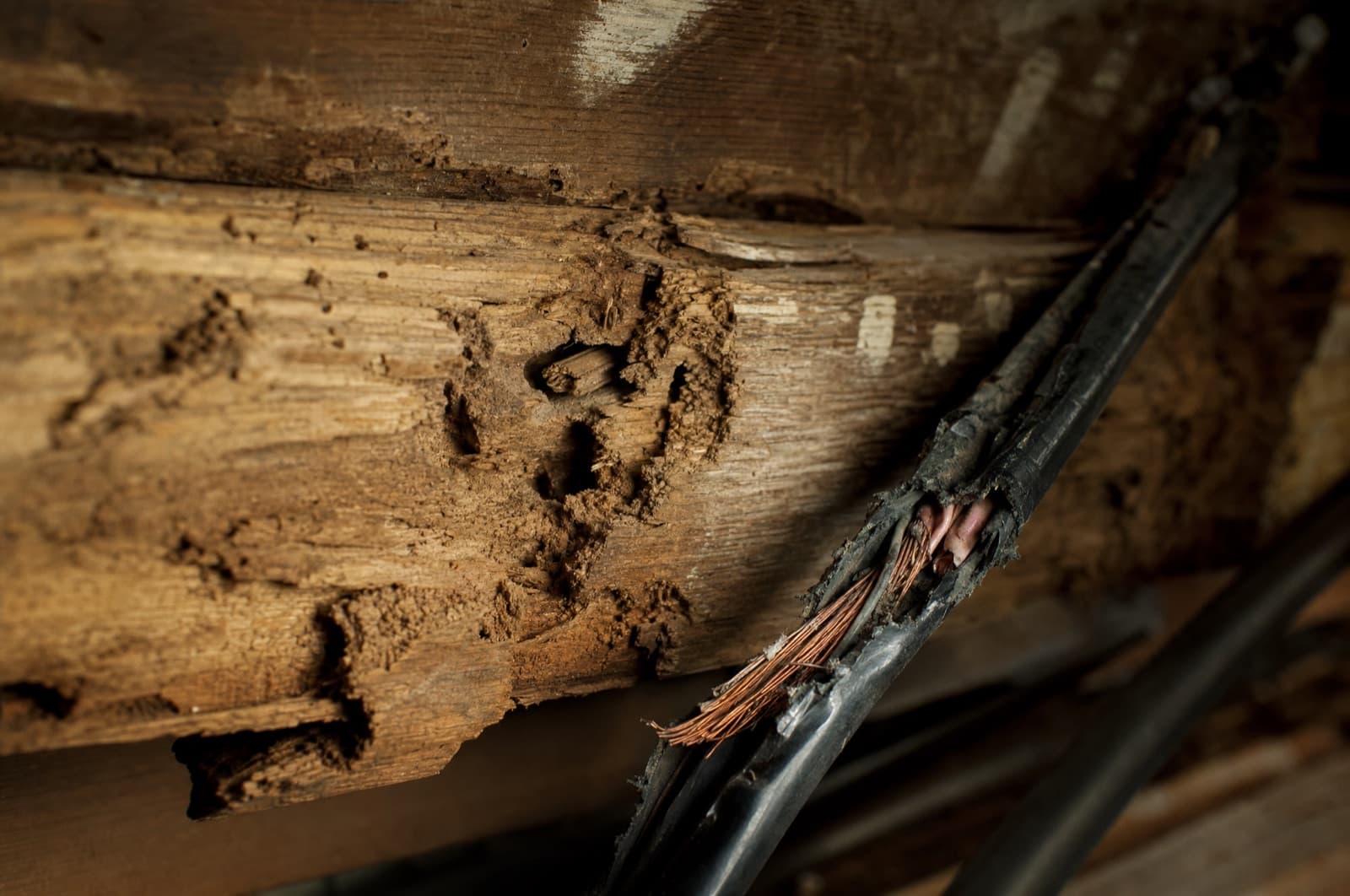
Pest damage evidence — a gnawed structural beam and a chewed electrical wire
Daniel Brady · NH-Licensed Pesticide Applicator · License #782664
Reviewed by Daniel Brady

Can bed bug infestations reduce a home's value?

Stigma only — no structural damage to devalue
Bed bugs cause no structural or material damage to a house, so there is nothing physical for a devaluation claim to point to. Any real effect on resale runs through stigma: a disclosed infestation history can make buyers wary and can lengthen how long a home sits on the market, independent of any lasting harm. The specific number people quote for how much bed bugs 'cost' a home's value does not exist in any published study, and New Hampshire has no bed-bug-specific disclosure law — a known infestation falls under the same general material-condition disclosure duty as any other issue.

At a glance

  • Hype: Wildly overstated
  • Evidence: Well documented
  • Who fixes it: Pest pro first
The honest answer

The short of it

The verdict
Stigma only — no structural damage to devalue

Bed bugs don't damage a home at all; any effect on what it's worth comes entirely from stigma and disclosure friction, not from repairing anything.

The correction

What they claim vs. what the evidence supports

One shared severity track, two markers. The span between them is the hype delta — named out loud.

The claim — bed bugs destroying or permanently devaluing a home

That a bed bug infestation ruins a house, requires gutting rooms or replacing furniture and flooring, and drags down resale value the way a termite or storm-damage finding would.

Where the claim comes from: Pest-company marketing copy and viral social-media posts that treat every pest the same way, borrowing the language of structural damage from termite and rodent content.

Severity, 0–100
Hype says80
35Evidence says
Hype delta45point gapWell documented
The evidence

Bed bugs are obligate blood feeders that live in cracks and crevices near where people sleep — they do not chew, tunnel, or consume any building material (CDC; University of Kentucky Entomology). The real effect on a sale is psychological and transactional: disclosed property stigma generally reduces sale potential and lengthens time-on-market, per the peer-reviewed stigmatized-property literature. But there is no bed-bug-specific hedonic resale study, so the SIZE of that stigma effect for bed bugs specifically is underdocumented even though the mechanism (stigma reduces marketability) is well established.

The gap

The stigma is real and can slow a sale — but there is nothing physically wrong with the house to devalue, and the specific 'bed bugs cost you X percent of your home's value' figure that circulates online does not exist in any published study.

Repair scope

Who actually fixes this

Scope, not dollars — the honest answer to “how expensive is it,” routed to the right trade.

Who fixes it
Pest pro first
Effort
A trade visit

There is no building damage to repair, so the only genuine task is resolving the infestation itself — a pest-control job from start to finish, not a construction one.

The right order
  1. 1
    Confirm the infestation and treat it with a licensed pest professional
  2. 2
    Launder or heat-treat fabrics and bedding that may carry staining or residue
  3. 3
    Keep the treatment documentation — it's the honest, useful record for any future disclosure conversation
Route by symptom
  • You — wipe it upFecal spotting or cast skins are found on a mattress or baseboard — this is cosmetic residue, not structural damage, and cleans up with normal laundering and vacuuming
Do not
  • Don't accept a specific 'this costs you X percent of your home's value' figure quoted online — no such measured study exists for bed bugs
  • Don't treat a resolved, documented bed bug history the same as an active termite finding in a sale conversation — the two run through entirely different channels
Where we help — and where we don't

Anchor treats bed bug infestations. We are not a substitute for your real-estate agent or attorney on disclosure questions, and there is no structural repair to route you to here, because bed bugs simply don't cause any.

Economics

What it does to value

Whether having had bed bugs — even after full resolution — will lower what a home is worth or how it sells.

Stigma only
What is documented

Bed bugs feed solely on the blood of people and animals while they sleep and do not damage building structure, wiring, wood, or insulation (CDC; University of Kentucky ENTFACT-636). The EPA recognizes bed bugs as a public-health pest with documented psychological effects on occupants, including anxiety and insomnia — a real cost, but not a structural one. Separately, the peer-reviewed stigmatized-property literature finds general consensus that a disclosed stigma reduces a property's sale potential and lengthens its time on market, and there is no reason to think a disclosed bed bug history is exempt from that general pattern.

Just a talking point

That bed bugs 'ruin' a house, require gutting a room, or carry a specific quotable resale-value hit. None of that holds up: the structure is intact, and the one study sometimes cited for a bed bug 'cost' (Xie et al., PNAS 2019) is a predictive mathematical model of rental-market disclosure dynamics — calculating theoretical vacancy, treatment, and turnover costs — not a measured resale-value figure from actual home sales.

Disclosure

New Hampshire has no bed-bug-specific disclosure statute. A known, active infestation falls under the general material-physical-condition disclosure duty in RSA 331-A:25-b, which is triggered by a seller's actual knowledge, not a requirement to investigate proactively. That puts a resolved bed bug history on the same legal footing as any other known-and-disclosed condition — nothing more, nothing less.

Insurance

Standard homeowners policies exclude insect damage as preventable maintenance, so bed bug treatment is an out-of-pocket cost to the owner rather than an insurance claim. That has no bearing on structural value because there is no structural damage in the first place — it just means the fix is squarely the pest professional's lane, not an insurer's.

CDC — About Bed Bugs; University of Kentucky ENTFACT-636; EPA — Bed Bugs Are Public Health Pests; Springer, Journal of Housing and the Built Environment (2019); PNAS 2019 (Xie et al.); NH RSA 331-A:25-b

In depth

The full picture

01

Why bed bugs don't damage what you're buying

The most useful fact in this entire conversation is a biological one: bed bugs feed solely on the blood of people and animals while they sleep (University of Kentucky Entomology, ENTFACT-636). They do not chew wood, wiring, insulation, or drywall, and they build no structure of their own beyond hiding in existing cracks and seams. The CDC describes them plainly as small, flat, parasitic insects — nothing in that description involves consuming or weakening a building material.

That matters directly for a resale conversation, because it means there is no repair scope to point to. A termite finding triggers a contractor-level structural conversation. A bed bug finding, once resolved, triggers nothing structural at all — the house a buyer is purchasing is exactly as sound as it would have been without the infestation.

02

The two real channels, and why only one applies here

The rest of this cluster explains that pest damage generally affects resale value through two honest channels: a wood-destroying-insect inspection finding, and stigma from a disclosed infestation history. Bed bugs only ever touch the second channel. There is no wood-destroying-insect inspection line item for bed bugs, no lender requirement, and no repair-negotiation trigger.

What remains is stigma: the peer-reviewed stigmatized-property literature (Springer, Journal of Housing and the Built Environment, 2019) finds general consensus that disclosed stigmas reduce a property's sale potential and lengthen time-on-market. Bed bugs are a plausible fit for that general pattern, but there is no bed-bug-specific hedonic resale study measuring the size of the effect. The mechanism is sound; the magnitude is not something anyone has actually measured.

03

The study people misquote

A frequently cited paper here is Xie et al. (PNAS, 2019), which models bed bug disclosure policy in rental housing. It is worth being precise about what that paper actually is: a predictive mathematical model calculating the theoretical costs of vacancy, treatment, and tenant turnover under different disclosure rules — not an empirical measurement of how much a home's sale price drops after a bed bug history. Citing it as a resale-value figure misrepresents what the study measured. There is, at present, no published number for 'how much bed bugs cost your home's value,' and that absence is itself the honest answer.

04

What New Hampshire disclosure law actually says about bed bugs

New Hampshire has no bed-bug-specific disclosure statute. A known, active infestation is governed by the same general rule that covers any other known material physical condition: RSA 331-A:25-b requires sellers and agents to disclose what they actually know, with no duty to go looking for problems that aren't apparent. That puts a documented, resolved bed bug history in the same legal category as any other disclosed-and-resolved issue — it is not a special, more damaging category of defect under New Hampshire law, whatever the marketing copy implies.

Key takeaways
5 points
  • Bed bugs cause zero structural or material damage — they feed only on blood and build nothing that weakens a house.
  • Any resale effect runs entirely through stigma and disclosure, not physical harm or a repair line item.
  • There is no published, bed-bug-specific figure for how much an infestation history 'costs' a home's value — the number people quote does not exist.
  • The PNAS study sometimes cited here is a predictive rental-market model, not a measured resale-value study.
  • New Hampshire has no bed-bug-specific disclosure statute; a known infestation falls under the same general material-condition duty as any other known issue.
New Hampshire context

What this means for a New Hampshire home sale

Because New Hampshire has no bed-bug-specific disclosure requirement, a seller's obligation here is the same general standard that applies to any known material condition under RSA 331-A:25-b — disclose what you know, with no duty to inspect proactively. A documented, professionally resolved bed bug history is a straightforward thing to disclose honestly and move past; it is not, under NH law or the evidence, in the same category as an undisclosed active termite or carpenter-ant finding.

  • NH-licensed #782664

    Southern New Hampshire

  • Family-owned

    Since 2017

  • Honest routing

    Even when it isn’t us

We serve these communities

ManchesterNashuaConcordDerryBedfordSalemHudsonAmherstAuburnGoffstownHooksettLitchfieldLoudonMilfordBristol

Service Area Map

Southern New Hampshire

BristolPop. 3,200LoudonPop. 5,500ConcordPop. 43,900HooksettPop. 14,800GoffstownPop. 18,000AuburnPop. 5,700ManchesterPop. 115,600BedfordPop. 23,300LitchfieldPop. 8,500AmherstPop. 11,300DerryPop. 34,500MilfordPop. 15,700HudsonPop. 25,600NashuaPop. 91,100SalemPop. 30,000HQCityHover for info

Bed bugs resolved and documented is the strongest position for a sale.

Anchor treats bed bug infestations and gives you the documentation to disclose honestly and move on.

Follow-up questions

Frequently asked

Sources & citations(6)
  1. CDC — About Bed Bugs

    Bed bugs feed solely on blood and cause no structural building damage

    govverified 2026-07-16
  2. University of Kentucky Entomology — Bed Bugs (ENTFACT-636)

    Bed bugs feed solely on the blood of animals; no material or structural damage mechanism

    extensionverified 2026-07-16
  3. EPA — Bed Bugs Are Public Health Pests

    Documented psychological effects (anxiety, insomnia) as the genuine harm, distinct from structural damage

    govverified 2026-07-16
  4. Journal of Housing and the Built Environment — Stigmatized Properties and Housing Values (Springer, 2019)

    General consensus that disclosed property stigma reduces sale potential and lengthens time-on-market

    academicverified 2026-07-16
  5. PNAS — Xie et al., bed bug disclosure policy dynamics

    Predictive rental-market cost model — clarified as NOT an empirical resale-value measurement

    academicverified 2026-07-16
  6. New Hampshire RSA 331-A:25-b — Real Estate Brokerage Disclosure

    NH's general material-physical-condition disclosure duty, which governs bed bugs absent a specific statute

    govverified 2026-07-16

Written & reviewed by

Verified

Daniel Brady

NH-Licensed Pesticide Applicator · License #782664 (NHDAMF, RSA 430)

Daniel Brady is the New Hampshire–licensed applicator behind Anchor Pest Services, a family-owned pest control company serving the Manchester area since 2017.

Verify license

Last updated Jul 2026

Honest pest help for New Hampshire homes

No Structural Damage. No Invented Value Hit. Just the Treatment.

Anchor treats bed bug infestations and provides the documentation that matters for an honest disclosure conversation. We are not a substitute for your real-estate agent or attorney on disclosure law. Family-owned since 2017, NH license #782664, serving Manchester, Nashua, Concord and nearby towns.

  • Honest framing — no invented resale-value figures
  • NH-licensed applicators (#782664) — free inspection, same-day service
  • Bed bug treatment and documentation across southern and central New Hampshire

NH License #782664 · No obligation · We answer in person