
Skip to content
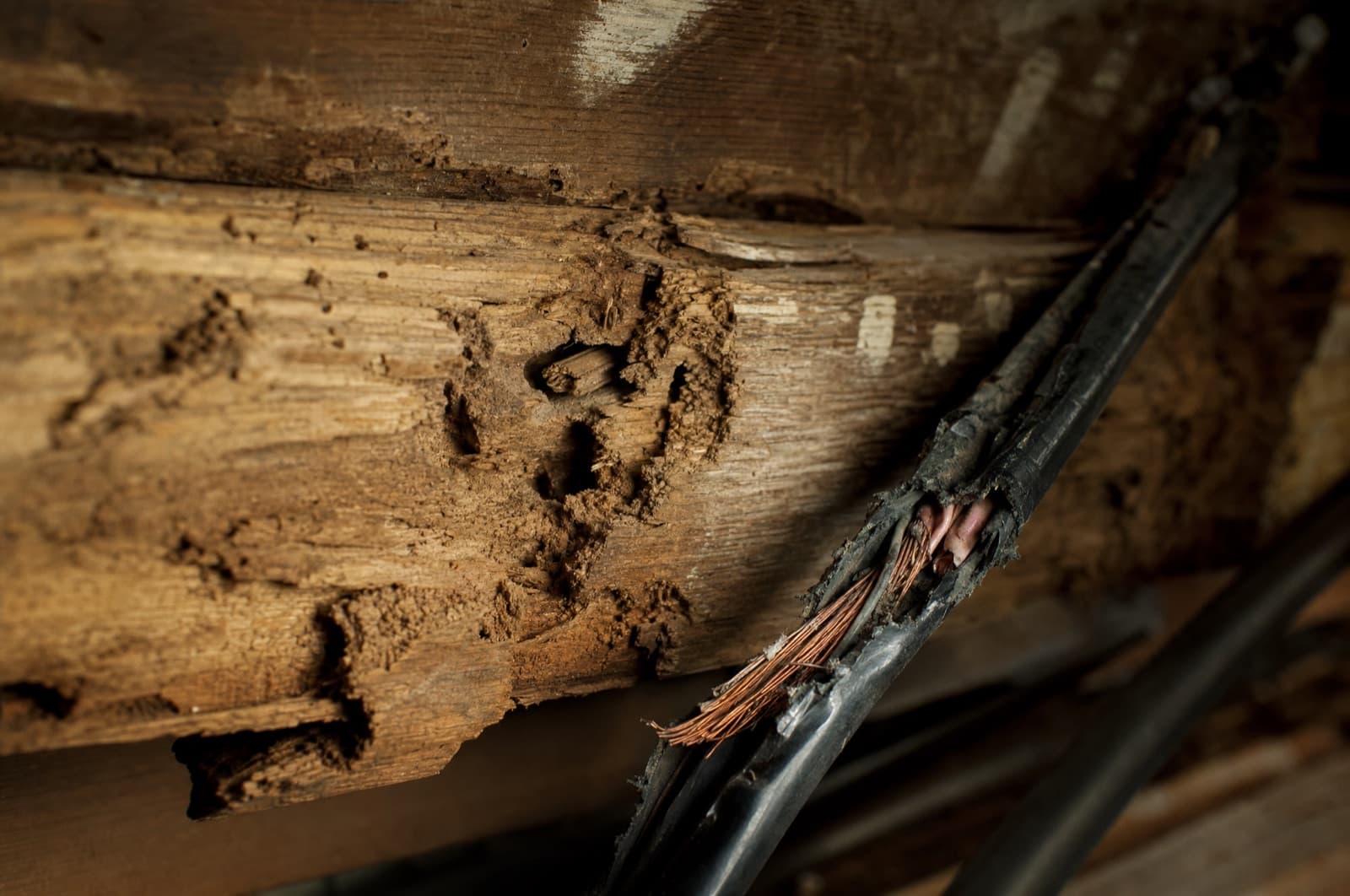
Pest damage evidence — a gnawed structural beam and a chewed electrical wire
Daniel Brady · NH-Licensed Pesticide Applicator · License #782664
Reviewed by Daniel Brady

Can moths destroy clothes or carpets?

Functional damage — real, and usually underrated
Yes. The larvae of the webbing clothes moth and casemaking clothes moth digest keratin — the protein in wool, cashmere, silk, mohair, fur, feathers, felt, and wool carpet or rugs — leaving holes, thinning, and silk webbing or cases behind. The adult moth you see flying around a closet does not feed on fabric at all; it's the hidden larvae, working undisturbed in a dark fold or under a rug edge, doing the actual damage. Clean cotton and synthetic fabrics are largely spared unless heavily soiled or blended with wool, and the building itself is never at risk — but for vulnerable textiles, this is genuine, sometimes irreversible loss, and most readers rate it lower than the evidence supports.

At a glance

  • Can it?: Yes
  • How common: Occasional
  • Hype: Understated
  • Evidence: Well documented
  • 120°F for 30 minutes

    Heat treatment that kills all clothes-moth life stages

    Virginia Tech VCE ENTO-471/3104-1576 — Clothes Moths

  • below 18°F for 24 hours

    Freezing treatment that kills all clothes-moth life stages

    Virginia Tech VCE ENTO-471/3104-1576 — Clothes Moths

The honest answer

The short of it

The verdict
Functional damage — real, and usually underrated

Yes. Clothes-moth larvae genuinely eat through wool, cashmere, silk, fur, and wool carpet — this is one of the few damage claims the internet actually undersells, mostly because everyone blames the wrong life stage.

The correction

What they claim vs. what the evidence supports

One shared severity track, two markers. The span between them is the hype delta — named out loud.

The claim — clothes moths destroying wool sweaters, cashmere, silk, fur, and wool carpets

That moths eat holes in clothes and carpets — a familiar warning, but one usually stated in passing, with the visible flying moth blamed as the culprit rather than the hidden larvae actually responsible.

Where the claim comes from: General home-pest advice and folk knowledge, which gets the outline right but is usually vague on mechanism — leading readers to underestimate how serious an undetected infestation in stored wool can get.

Severity, 0–100
Hype says70
75Evidence says
Underrated — worse than you think5point gapWell documented
The evidence

University entomology sources are consistent and specific: clothes-moth larvae digest keratin using gut-bacteria-produced keratinases, feed in dark, undisturbed locations, and can cause serious, sometimes irreparable damage to vulnerable textiles — a finding documented in textile-conservation literature as well as extension guidance. The adults do not feed on fabric at all, which is exactly the detail most casual readers miss.

The gap

For once, the correction runs the other way. The common warning about clothes moths is basically right, and most people still underrate it — because they picture the moth fluttering around a lamp as the threat, when the actual damage is being done by larvae they never see, in a fold of fabric they haven't disturbed in months.

Damage assessment

What is actually harmed

Damage verdict
Functional damage — real, and usually underrated
FunctionalCan it?Yes
The specimen
Pest
Webbing clothes moth (Tineola bisselliella) and casemaking clothes moth (Tinea pellionella) — larvae only; adults do not feed
What is in question
Wool, cashmere, silk, mohair, fur, feathers, felt, and wool carpets or rugs
How common
Occasional
Evidence
Well documented
Mechanism

Clothes-moth larvae host gut bacteria that secrete keratinases, enzymes able to digest keratin — the structural protein in wool, hair, fur, feathers, and silk. Larvae seek dark, undisturbed locations to feed: folded sweaters at the back of a drawer, the underside of a wool rug, a fur coat in long-term storage. As they feed they spin silk webbing (webbing clothes moth) or drag a portable silken case (casemaking clothes moth), leaving irregular holes and thinned patches where feeding concentrated. The adult moths that most people notice flying are a different life stage entirely and have no feeding mouthparts adapted to fabric.

Actually at risk5
  • Wool sweaters, suits, and coats, and cashmere or mohair knitwear
  • Silk garments and silk-blend upholstery or drapery
  • Fur coats, feather-filled pillows and comforters, and felt
  • Wool carpets and rugs, especially in undisturbed spots under furniture or along edges
  • Natural-fiber stuffing in older upholstered furniture
Not at risk — despite the myth4
  • Clean cotton, polyester, nylon, and acrylic fabric — unless heavily soiled with body oils or blended with wool
  • The building's structure, wiring, or any system a pest-control company treats
  • Human health — clothes moths do not bite people and transmit no disease
  • Fabric that is regularly worn, laundered, and disturbed — larvae need sustained, undisturbed access to feed
Worst realistic case
An heirloom wool rug, a fur coat, or a tailored wool suit left in long-term dark storage is riddled and thinned by the time anyone notices — because the visible sign people watch for (a flying moth) isn't actually where the damage is happening. That's a genuine, sometimes irreparable loss for that specific item, documented in textile-conservation literature — not a threat to the rest of the home.

Assessed from: UK Entomology EF609; Virginia Tech VCE ENTO-471/3104-1576; Purdue E-18; UF/IFAS ENY-223/IG090; PMC7563610 (clothing moth gut bacteria keratin digestion)

The compounding clock

Does it get worse if you ignore it?

Over time
Compounds

Compounds continuously in undisturbed storage — and fiber already eaten does not regrow.

The timeline
3 stages
  1. WeeksReversible

    Eggs hatch and larvae begin feeding on keratin fiber in a dark, undisturbed fold, drawer, or rug edge. Feeding is usually invisible unless the item is closely inspected.

  2. MonthsReversible

    Feeding produces visible holes, thinning, and silk webbing or cases. Multiple, overlapping generations can be present in a warm closet or storage box left undisturbed.

  3. One seasonPermanent

    An undetected population in year-round dark storage can hole through significant sections of a garment or rug. The infestation itself can still be stopped at this point, but the fiber already consumed does not come back.

What stops the clock
Laundering or dry-cleaning wool, cashmere, silk, or fur before storage removes the body oils and soiling that attract feeding. Per Virginia Cooperative Extension, heat-treating items at 120°F for 30 minutes or freezing them below 18°F for 24 hours kills all life stages. Storing cleaned items in sealed containers, and periodically airing out and inspecting anything stored long-term, denies larvae the sustained, undisturbed conditions they need.
Repair scope

Who actually fixes this

Scope, not dollars — the honest answer to “how expensive is it,” routed to the right trade.

Who fixes it
You — a DIY patch
Effort
An afternoon

This is a cleaning, treatment, and storage task, not a repair or a pest-control service — laundering, heat or freeze treatment, and sealed storage resolve an ordinary infestation completely.

The right order
  1. 1
    Confirm the culprit — look for silk webbing, silken cases, or larvae rather than judging by the flying adult moth alone; carpet beetles cause nearly identical keratin damage and are frequently the true cause
  2. 2
    Launder or dry-clean affected wool, cashmere, silk, or fur items
  3. 3
    Heat-treat (120°F for 30 minutes in an oven) or freeze (below 18°F for 24 hours) items that can't be laundered, per Virginia Cooperative Extension guidance
  4. 4
    Store cleaned items in sealed containers, and inspect and air out long-term stored wool periodically rather than leaving it undisturbed for years
Route by symptom
  • Pest pro firstAn infestation is established and spread across a closet, a whole-home carpet, or multiple rooms, rather than confined to a single stored item
Do not
  • Don't store soiled wool — body oils and residue are exactly what attracts sustained feeding
  • Don't assume the flying adult moth you see is the one eating your sweater — adults don't feed on fabric at all
  • Don't confuse this with carpet beetles, which cause nearly identical keratin damage and are frequently the actual culprit behind 'moth holes'
Where we help — and where we don't

This is honestly a laundering, treatment, and storage fix — Anchor doesn't do garment or rug restoration, and there's nothing to gain by pretending otherwise. Where an infestation is established and widespread across a home's carpets and closets rather than one storage box, that's worth a professional indoor treatment before you re-store anything.

In depth

The full picture

01

The moth you see flying isn't the one eating your sweater

The single most useful fact on this page is also the one most people get backwards: adult clothes moths do not feed on fabric. They have no functional feeding mouthparts for it. All of the actual damage — the holes, the thinning, the silk webbing or cases — is done by the larval stage, which lives in dark, undisturbed spots specifically to avoid being seen: the back of a folded sweater, the underside of a wool rug, deep inside a stored fur coat.

That means seeing an adult moth flutter out of a closet isn't the alarm bell people treat it as — it's a sign that larvae have already been present nearby, developing where you weren't looking. By the time you notice the adult, the feeding that matters has usually been going on for a while.

02

What keratin feeding actually does

Clothes-moth larvae carry gut bacteria that secrete keratinases — enzymes capable of digesting keratin, the structural protein that makes up wool, hair, fur, feathers, and silk. That's a genuinely unusual digestive trick; most household fabric pests can't break down this protein at all, which is why cotton and synthetic fibers are largely spared. Where keratin is present and undisturbed, per university entomology and textile-conservation sources, the resulting damage can be serious and, once fiber is eaten, irreversible for that item.

03

Why this is one of the few pages on this hub that doesn't debunk anything

Most of this hub exists to correct an overstated pest-damage claim. This page is the exception: the ordinary warning about clothes moths ruining wool is essentially accurate, and if anything the public conversation understates it, because it fixates on the visible adult rather than the hidden larvae actually responsible. It's also worth naming the frequent co-conspirator: carpet beetles (Anthrenus, Attagenus) cause nearly identical keratin damage through the same adults-don't-feed, larvae-do-the-work pattern, and are often the true culprit behind damage blamed on 'moths.'

04

What stops it, and what doesn't

Because larvae need dark, undisturbed conditions to feed successfully, the fix is mostly about denying them that: clean fabric before long-term storage, use sealed containers rather than open shelving, and periodically air out and inspect anything stored for months at a time. Heat and cold both work reliably — a documented oven treatment or a home freezer, held long enough, kills every life stage. What doesn't help is treating this as a spray-and-forget problem or assuming a single vacuum pass solves an established infestation in a rug or closet full of wool.

Key takeaways
5 points
  • Yes — clothes-moth larvae genuinely destroy wool, cashmere, silk, mohair, fur, feathers, and wool carpet. This fear is earned, not overstated.
  • The flying adult moth does not feed on fabric at all — the damage is done by hidden larvae in dark, undisturbed storage.
  • Clean cotton and synthetic fabrics are largely safe unless heavily soiled or blended with wool.
  • Once fiber is eaten, that specific damage doesn't reverse — but laundering, heat, or freezing stops further loss completely.
  • Carpet beetles cause near-identical keratin damage and are frequently the actual culprit behind damage blamed on moths.
New Hampshire context

Why New Hampshire's long storage season matters here

Southern and central New Hampshire's cold-weather stretch means wool sweaters, coats, and off-season blankets often sit in closets, cedar chests, or attic boxes for many consecutive months between uses — exactly the sustained, undisturbed storage clothes-moth larvae need to do serious damage. A garment worn and laundered regularly rarely has a problem; one packed away from October through spring without a single check is the classic local risk pattern.

If you store wool seasonally in a New Hampshire home, the single highest-value habit is airing out and inspecting stored items partway through the season, not just at the start and end of it.

  • NH-licensed #782664

    Southern New Hampshire

  • Family-owned

    Since 2017

  • Honest routing

    Even when it isn’t us

We serve these communities

ManchesterNashuaConcordDerryBedfordSalemHudsonAmherstAuburnGoffstownHooksettLitchfieldLoudonMilfordBristol

Service Area Map

Southern New Hampshire

BristolPop. 3,200LoudonPop. 5,500ConcordPop. 43,900HooksettPop. 14,800GoffstownPop. 18,000AuburnPop. 5,700ManchesterPop. 115,600BedfordPop. 23,300LitchfieldPop. 8,500AmherstPop. 11,300DerryPop. 34,500MilfordPop. 15,700HudsonPop. 25,600NashuaPop. 91,100SalemPop. 30,000HQCityHover for info

This one's genuinely real — but it's a laundry fix, not a pest-control job.

Clothes-moth larvae damage wool and silk for real. Cleaning, heat or freeze treatment, and sealed storage handle an ordinary case completely.

Follow-up questions

Frequently asked

Sources & citations(6)
  1. University of Kentucky Entomology EF609 — Clothes Moths

    Larvae digest keratin; carpet beetles often the true culprit behind damage blamed on moths

    extensionverified 2026-07-16
  2. Virginia Tech VCE ENTO-471/3104-1576 — Clothes Moths

    Tineola/Tinea keratin damage; heat (120°F/30 min) and cold (below 18°F/24 hr) control methods

    extensionverified 2026-07-16
  3. Purdue Extension E-18 — Clothes Moths and Carpet Beetles

    Larvae feed on wool/hair/fur; adults do not feed on fabric

    extensionverified 2026-07-16
  4. UF/IFAS ENY-223/IG090 — Clothes Moths

    Larvae digest keratin and can be major pests of stored textiles

    extensionverified 2026-07-16
  5. PMC7563610 — Clothing moth gut bacteria digest keratin

    Keratinase mechanism enabling keratin digestion in clothes-moth larvae

    academicverified 2026-07-16
  6. University of Maryland Extension — Carpet Beetles

    Adults don't damage fabric; larvae eat animal fibers (keratin), a common co-culprit with clothes moths

    extensionverified 2026-07-16

Written & reviewed by

Verified

Daniel Brady

NH-Licensed Pesticide Applicator · License #782664 (NHDAMF, RSA 430)

Daniel Brady is the New Hampshire–licensed applicator behind Anchor Pest Services, a family-owned pest control company serving the Manchester area since 2017.

Verify license

Last updated Jul 2026

Honest pest help for New Hampshire homes

We'll Tell You When It's a Closet Problem, Not a House Problem.

Clothes-moth damage to stored wool and silk is genuine, but it's usually solved with laundering, heat or freeze treatment, and better storage — not a pest-control visit. If an infestation is established across your home's carpets and closets, Anchor Pest Services genuinely helps with that. Family-owned since 2017, NH license #782664, serving Manchester, Nashua, Concord and nearby towns.

  • Honest advice — we say when it's a laundry fix, not a service call
  • NH-licensed applicators (#782664) — free inspection, same-day service
  • Interior pest treatment across southern and central New Hampshire

NH License #782664 · No obligation · We answer in person