
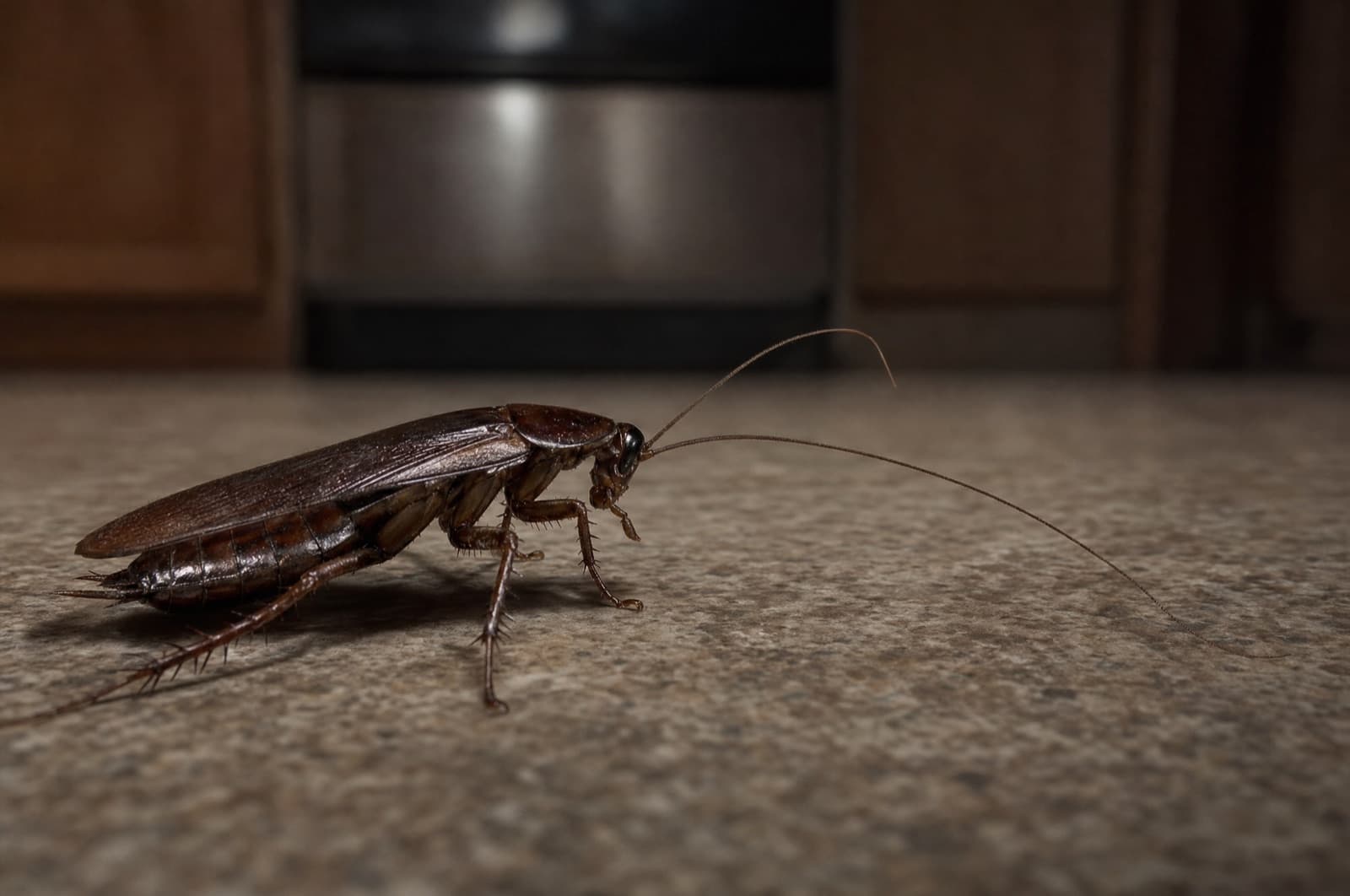
How To Get Rid Of Cockroaches During The Winter?

Don't wait - every day increases health risks and property damage. These aggressive rodents multiply rapidly and spread dangerous diseases.

Professional elimination is the ONLY safe and effective solution. DIY methods fail 90% of the time and can make the problem worse.

24 Hours

Average response time

100%

Satisfaction guarantee

Call now for same-day, eco-friendly pest control

With over 20 years of experience, Anchor Pest offers personalized, chemical-safe quarterly subscriptions, protecting homes and businesses across Manchester and surrounding counties with ongoing peace of mind.

(603) 785-0118

Contact Us

How Do Cockroaches Survive During The Winter?

Cockroaches survive winter by sheltering in warm, moist places (often indoors), slowing their activity, clustering together, and relying on biological tricks like antifreeze-like chemicals and protective egg cases until temperatures rise.


Outdoor survival when it’s cold


In nature, many species hide in insulated micro-spots: under leaf litter, mulch, logs, loose bark, deep soil cracks, sewer lines, and steam-heated utility corridors. Activity drops sharply; growth pauses and many adults die. Their egg cases (oothecae—hard, purse-like pods) can endure cold and hatch when warmth returns.


Indoor survival in human spaces


Species that can’t handle deep cold (like German and American cockroaches) move into buildings before freezes. They choose steady-warm, humid zones: kitchens, bathrooms, boiler rooms, laundry areas, wall voids, appliances, and drains. With heat, water, and food crumbs, they stay active at night, breed slowly through winter, and rebound quickly in spring.


Biological tools that help them last


  • Diapause: a temporary “pause mode” that slows growth and metabolism to save energy.
  • Cryoprotectants: sugars and alcohols (like glycerol) act as antifreeze, protecting cells from cold damage.
  • Fat reserves: they build energy stores in fall to survive long, lean periods.
  • Oothecae: tough egg cases shield embryos from drying and cold; some are carried by the mother for added warmth.
  • Aggregation: roaches cluster to share body heat and moisture, lowering individual stress.
  • Microclimate choice: they seek tiny warm pockets a few degrees higher than the air, enough to keep them alive.


Bottom line


Winter rarely wipes them out; it slows them. Protected shelters, hardy eggs, and indoor warmth let cockroaches persist until favorable weather returns.

Protect Your Family Today

Professional pest control eliminates troubles immediately. Our safe, effective treatments protect your loved ones from dangerous diseases.

Signs Of Cockroaches During The Winter


Key signs of cockroaches in winter


In winter, cockroaches move deeper indoors, clustering where it’s warm and damp. Look for night activity in kitchens and bathrooms, pepper-like droppings, small brown egg cases, shed skins, a musty odor, smear marks near water lines, and activity around warm appliances and radiators. Seeing roaches in daylight usually means a heavy infestation; single “hitchhikers” often arrive in delivery boxes and stored decorations.


Detailed signs and where to check


  • Night sightings in kitchens/bathrooms; daytime sightings suggest large populations.
  • Droppings: fine black “pepper” or coffee-ground specks (German roaches); larger species leave oval, ridged pellets.
  • Egg cases (oothecae): small tan/brown capsules in cabinet hinges, under sinks, behind stoves, and near fridges.
  • Shed skins and tiny translucent nymphs along baseboards, inside drawer tracks, and behind dishwashers.
  • Musty, oily, slightly sweet odor in warm, enclosed areas (pantries, under-sink cabinets).
  • Smear marks/fecal staining along wall edges, around pipe penetrations, and beneath leaky sinks or dripping traps.
  • Heat hubs: refrigerator motor cavity, water heater/boiler rooms, behind microwaves, near routers/game consoles, radiators.
  • Moisture hubs: sink bases, refrigerator drip pans, laundry rooms, around pet water bowls, and condensation on pipes.
  • Food/package damage: gnawing or greasy rub marks on cardboard, pantry goods, and pet food; fine crumbs left behind.
  • Edge-travel evidence: specks and droppings concentrated in cabinet corners and along toe-kicks/baseboards.
  • Winter hitchhikers: roaches emerging from delivery boxes, stored holiday decor, or secondhand items shortly after bringing them inside.

How To Get Rid Of Cockroaches During The Winter?


Get rid of winter roaches fast


Seal entry cracks, remove food and water, place gel baits where they hide, add an insect growth regulator (IGR), use light dust in wall voids, set glue traps to monitor, and repeat weekly for 4–6 weeks. Avoid sprays and foggers; call a pro if activity stays high.


Find and block how they get in


  • Install door sweeps; weatherstrip doors/windows; repair screens.
  • Seal gaps around pipes, under sinks, behind appliances, and along baseboards with silicone caulk.
  • Close openings around heating lines and shared walls (common in apartments).


Clean and starve them


  • Store food in sealed containers; no overnight dishes or pet food out.
  • Nightly: wipe counters, stove, and floor edges; vacuum crumbs.
  • Fix leaks, dry sinks/tubs, run dehumidifier if damp; empty trash daily.
  • Declutter warm spots: under sinks, cabinets, pantry, laundry room.


Kill and control (best methods)


  • Gel baits (fipronil, indoxacarb, dinotefuran, clothianidin): pea-sized dots every 8–12 inches in cracks/behind appliances. Refresh weekly; rotate actives monthly.
  • IGR (hydroprene or pyriproxyfen): place near baited areas to stop breeding.
  • Dusts (boric acid or silica/diatomaceous earth): very light puffs into wall voids/outlet boxes; keep off counters.
  • Traps: glue boards along walls/corners to map hotspots.
  • Avoid sprays/foggers—they repel and spread roaches.
  • Heat small items to 130°F/54°C for 2 hours or freeze at 0°F/-18°C for 72 hours.


Schedule and when to call a pro


  • Week 1: seal, deep clean, deploy baits+IGR, dust voids, set traps.
  • Weeks 2–4: refresh baits, re-dust if disturbed, track trap counts, keep dry/clean.
  • Call a pro if daytime sightings, strong odor, many nymphs/egg cases, or in multi-unit housing.

Spotted Any of These Signs?

Don't risk your family's health. Our certified technicians can be at your property within 24 hours.

Professional Solution That Actually Works

Our certified technicians eliminate pests infestations completely and permanently.
Here's what you get:

🔍

Immediate Assessment

Trained experts identify entry points and nesting areas

🛡️

Safe Treatment

Pet and family-friendly methods used

🎯

Complete Elimination

Targets entire colony, not just visible insects or rodents

📋

Prevention Plan

Long-term exclusion strategies

🧽

Health Protection

Proper cleanup and sanitization

Guarantee

Service warranty and follow-up visits

Our 3-Step Elimination Process

🔍

1. Immediate Inspection

Complete property assessment within 24 hours

🎯

2. Targeted Elimination

Safe, effective treatment of entire colony

🛡️

3. Prevention Plan

Long-term exclusion and monitoring

Ready to Solve This Problem Forever?

Join thousands of satisfied customers who chose professional pest control.
100% satisfaction guarantee.

Quarterly Subscription Plans • Licensed & Insured • Same-Day Start • 100% Satisfaction Guarantee