
Skip to content
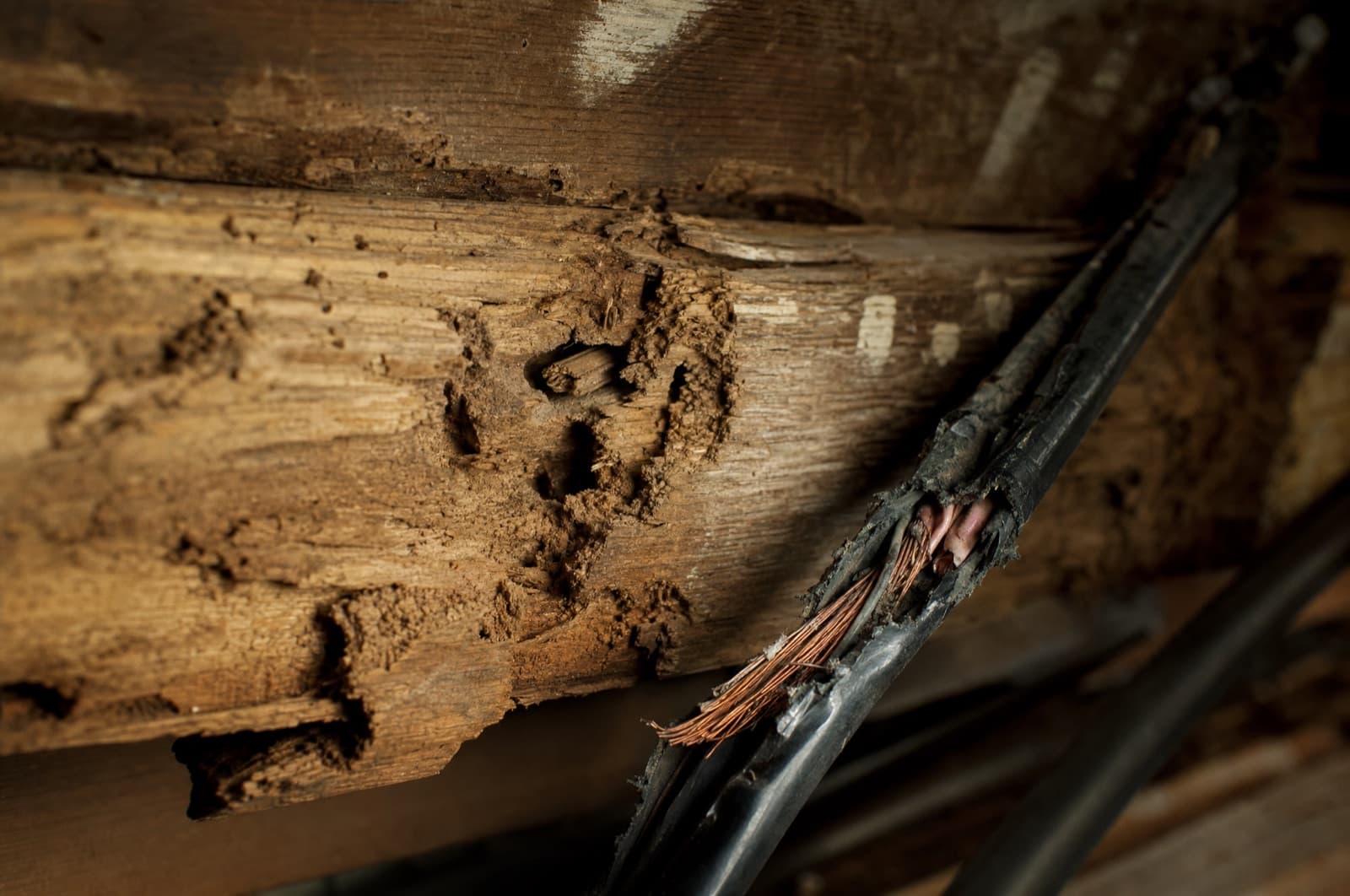
Pest damage evidence — a gnawed structural beam and a chewed electrical wire
Daniel Brady · NH-Licensed Pesticide Applicator · License #782664
Reviewed by Daniel Brady

Can starlings or pigeons clog vents or drains?

Functional damage — real
Yes. European starlings, house sparrows, and rock (feral) pigeons readily build nests inside dryer, bathroom, kitchen, and wall vents, and their packed nesting material genuinely blocks exhaust airflow — a real functional failure, and for dryer vents specifically, a legitimate fire consideration alongside the more common cause, lint buildup. These three species also carry a different legal status than most birds: under the federal species list, starlings, house sparrows, and rock pigeons are non-native and outside Migratory Bird Treaty Act coverage, so unlike a native bird's nest, theirs can lawfully be removed once you've confirmed the species.

At a glance

  • Can it?: Yes
  • How common: Routine
  • Hype: About right
  • Evidence: Well documented
The honest answer

The short of it

The verdict
Functional damage — real

Yes — starlings, house sparrows, and rock pigeons routinely pack dryer, bath, and kitchen vents with nesting material, blocking airflow and creating a genuine fire consideration for dryers. These three species are also legally different from native birds: they may be removed.

The correction

What they claim vs. what the evidence supports

One shared severity track, two markers. The span between them is the hype delta — named out loud.

The claim — starling and pigeon nests blocking home vents

That any nest found in a vent is an imminent fire waiting to happen, framing every blocked vent as a near-certain house fire.

Where the claim comes from: Vent-cleaning and pest-control marketing, which uses the fire angle to create urgency around a service call.

Severity, 0–100
Hype says65
55Evidence says
The hype is fairWell documented
The evidence

Airflow blockage from packed nesting material is genuinely common and well documented, and a blocked dryer vent can overheat. But NFPA research on home clothes-dryer fires found that failure to clean the vent (largely lint) is the leading contributing factor, at roughly a third of dryer fires, ahead of mechanical failure and electrical failure — a bird nest is one possible contributor to blockage, not the leading cause of dryer fires generally.

The gap

The blockage is real and common, and the legal point (these species may be removed) is exactly right. The only inflation is treating every vent nest as a guaranteed fire — the bigger, better-documented dryer-fire driver is ordinary lint.

Damage assessment

What is actually harmed

Damage verdict
Functional damage — real
FunctionalCan it?Yes
The specimen
Pest
European starlings, house sparrows, and rock (feral) pigeons
What is in question
Dryer, bathroom, and kitchen vent ducts, exhaust fans, and their airflow
How common
Routine
Evidence
Well documented
Mechanism

These three species nest readily in accessible vent openings. Packed nesting material restricts the duct's airflow, which reduces exhaust efficiency and, in dryer vents, causes heat and lint-laden air to back up rather than vent outside. Foil and thin flexible ducts can rupture under that pressure. In a gas dryer's venting, restricted airflow also raises a carbon-monoxide consideration rather than a purely mechanical one.

Actually at risk4
  • Dryer vent ducts and exhaust fans, including duct integrity under pressure
  • Bathroom and kitchen exhaust vents and their fans
  • HVAC ventilation efficiency generally where a vent is involved
  • Gas-dryer venting, where blocked exhaust has a carbon-monoxide dimension
Not at risk — despite the myth2
  • Masonry and framing around the vent — these birds do not chew or weaken building structure
  • The vent opening itself as a structural element — the failure is airflow blockage, not material damage to the vent housing
Worst realistic case
A fully blocked dryer vent overheating during a run, a ruptured duct, or exhaust-fan burnout from restricted airflow — not, on its own, a house fire without other contributing factors.

Assessed from: NFPA — Home Fires Involving Clothes Dryers and Washing Machines (Ahrens/Campbell, 2017); USFWS Federal Register species list

The compounding clock

Does it get worse if you ignore it?

Over time
Compounds

It compounds through a nesting season — and goes static the moment the nest is out and the vent is capped.

The timeline
2 stages
  1. WeeksReversible

    A pair begins building; a partial nest starts reducing airflow but rarely blocks a vent completely yet.

  2. One seasonReversible

    A completed nest, sometimes rebuilt or added to across multiple broods, can fully pack a duct, causing overheating, reduced exhaust performance, or duct rupture.

What stops the clock
Removing the nest and installing a proper metal, bird-resistant vent cap with openings large enough to maintain airflow — never a fine mesh screen on a dryer vent, which clogs with lint and creates its own fire hazard.
Repair scope

Who actually fixes this

Scope, not dollars — the honest answer to “how expensive is it,” routed to the right trade.

Who fixes it
Wildlife / exclusion specialist
Effort
A trade visit

Confirming the species and safely clearing a packed nest from inside a vent duct is specialized work, even though these particular species carry no legal restriction on removal.

The right order
  1. 1
    Confirm the species before touching the nest — starlings, house sparrows, and rock pigeons may be removed; a native bird may not
  2. 2
    Clear the nest and any accumulated material from the duct
  3. 3
    Cap the vent with a proper metal, bird-resistant cap sized to maintain full airflow
Route by symptom
  • HVAC contractorThe duct itself has been damaged, ruptured, or needs professional inspection after a blockage
  • You — a DIY patchThe fix is simply installing a compliant vent cap after the nest is already clear
Do not
  • Don't assume every bird in a vent is automatically removable — confirm the species first, since native birds carry a different legal status entirely
  • Don't cap a dryer vent with fine window screen or hardware cloth — it clogs with lint and creates its own overheating risk; use a purpose-built vent cap
Where we help — and where we don't

Duct and HVAC repair aren't an Anchor job — that routes to an HVAC or vent specialist. Clearing a nest from starlings, house sparrows, or pigeons is legally straightforward since these species carry no federal removal restriction, but it's still a specialized vent-access task rather than general pest control.

In depth

The full picture

01

Why these three birds, specifically

European starlings, house sparrows, and rock (feral) pigeons are cavity-and-ledge nesters that treat a dryer, bathroom, or kitchen vent opening as a ready-made nest cavity — dark, sheltered, and often warm. They build with grass, twigs, feathers, and debris, packing the material densely enough to significantly restrict or fully block the duct behind the vent hood. This is routine, well-documented behavior for these species around buildings generally, not an unusual or rare event.

02

What actually happens once a vent is blocked

A packed nest restricts exhaust airflow. In a dryer vent, that means heat and moisture that should be venting outside instead build up in the duct, which raises the appliance's operating temperature and can cause a foil or thin flexible duct to rupture under pressure. NFPA's research on home fires involving clothes dryers found that failure to clean the vent — predominantly lint accumulation — is the single leading contributing factor in dryer fires, at roughly a third of incidents, ahead of mechanical failure and electrical failure. A bird nest is a real, physically identical blockage mechanism to lint buildup, but it isn't the dominant documented cause of dryer fires; it's one of several ways the same vent can become dangerously restricted.

03

The legal distinction this hub keeps precise

This is the point competitors routinely blur: not all birds carry the same legal status. Under the U.S. Fish and Wildlife Service's federal list of species the Migratory Bird Treaty Act does not apply to, European starlings, house sparrows, and rock pigeons are explicitly named as non-native species outside that law's coverage. Practically, that means their nests can be removed once you've confirmed the species — no federal permit or special timing is required the way it is for a native bird. That is a materially different situation from a woodpecker or a chimney swift, whose active nests generally cannot be disturbed at all. Confirming which bird you actually have, before removing anything, is the step that keeps you on the right side of that distinction.

Key takeaways
5 points
  • Starling, house sparrow, and pigeon nests genuinely and routinely block dryer, bathroom, and kitchen vents — the mechanism is real.
  • NFPA data shows lint, not bird nests, is the leading contributing factor in dryer fires — the fire angle is real but secondary, not the dominant cause.
  • These three species are non-native and fall outside Migratory Bird Treaty Act coverage, so their nests can legally be removed.
  • That's a different legal situation from native birds, whose active nests generally cannot be touched — confirm the species before removing anything.
  • The fix is clearing the nest and installing a proper metal vent cap — never fine mesh on a dryer vent, which clogs with lint.
New Hampshire context

Vent nesting season in New Hampshire

Starlings, house sparrows, and pigeons in southern and central New Hampshire nest most actively from early spring through mid-summer, often producing multiple broods in the same cavity across that stretch. A vent that seemed clear in April can be fully packed by July if the same pair returns for a second brood, which is why a proper vent cap installed after clearing the nest matters as much as the initial removal — it prevents the same spot from being reused later in the same season.

  • NH-licensed #782664

    Southern New Hampshire

  • Family-owned

    Since 2017

  • Honest routing

    Even when it isn’t us

We serve these communities

ManchesterNashuaConcordDerryBedfordSalemHudsonAmherstAuburnGoffstownHooksettLitchfieldLoudonMilfordBristol

Service Area Map

Southern New Hampshire

BristolPop. 3,200LoudonPop. 5,500ConcordPop. 43,900HooksettPop. 14,800GoffstownPop. 18,000AuburnPop. 5,700ManchesterPop. 115,600BedfordPop. 23,300LitchfieldPop. 8,500AmherstPop. 11,300DerryPop. 34,500MilfordPop. 15,700HudsonPop. 25,600NashuaPop. 91,100SalemPop. 30,000HQCityHover for info

A nest-packed vent needs clearing and a proper cap, not a repair.

We'll help you get the species right and route you to the vent or HVAC work if a duct's been damaged.

Follow-up questions

Frequently asked

Sources & citations(3)
  1. USFWS — Federal Register list of species the Migratory Bird Treaty Act does not apply to (2020)

    Starlings, house sparrows, and rock pigeons named as non-native species outside federal migratory-bird coverage

    govverified 2026-07-16
  2. NFPA — Home Fires Involving Clothes Dryers and Washing Machines (Ahrens/Campbell, 2017)

    Failure to clean the vent (largely lint) is the leading contributing factor in home dryer fires, ahead of mechanical and electrical failure

    fireverified 2026-07-16
  3. NY NWCO — Unprotected Birds module

    Practical guidance on starling, house sparrow, and pigeon removal given their non-native, unrestricted status

    extensionverified 2026-07-16

Written & reviewed by

Verified

Daniel Brady

NH-Licensed Pesticide Applicator · License #782664 (NHDAMF, RSA 430)

Daniel Brady is the New Hampshire–licensed applicator behind Anchor Pest Services, a family-owned pest control company serving the Manchester area since 2017.

Verify license

Last updated Jul 2026

Honest pest help for New Hampshire homes

We Get the Species Right Before We Get to Work.

Starlings, house sparrows, and pigeons can legally be cleared from a vent — native birds cannot. Anchor Pest Services confirms which one you actually have before recommending anything, and routes duct or HVAC repair to the right specialist when a vent has been damaged. Family-owned since 2017, NH license #782664, serving Manchester, Nashua, Concord and nearby towns.

  • Honest advice — species identification comes before any removal recommendation
  • NH-licensed applicators (#782664) — free inspection, same-day service
  • Perimeter pest defense across southern and central New Hampshire

NH License #782664 · No obligation · We answer in person