
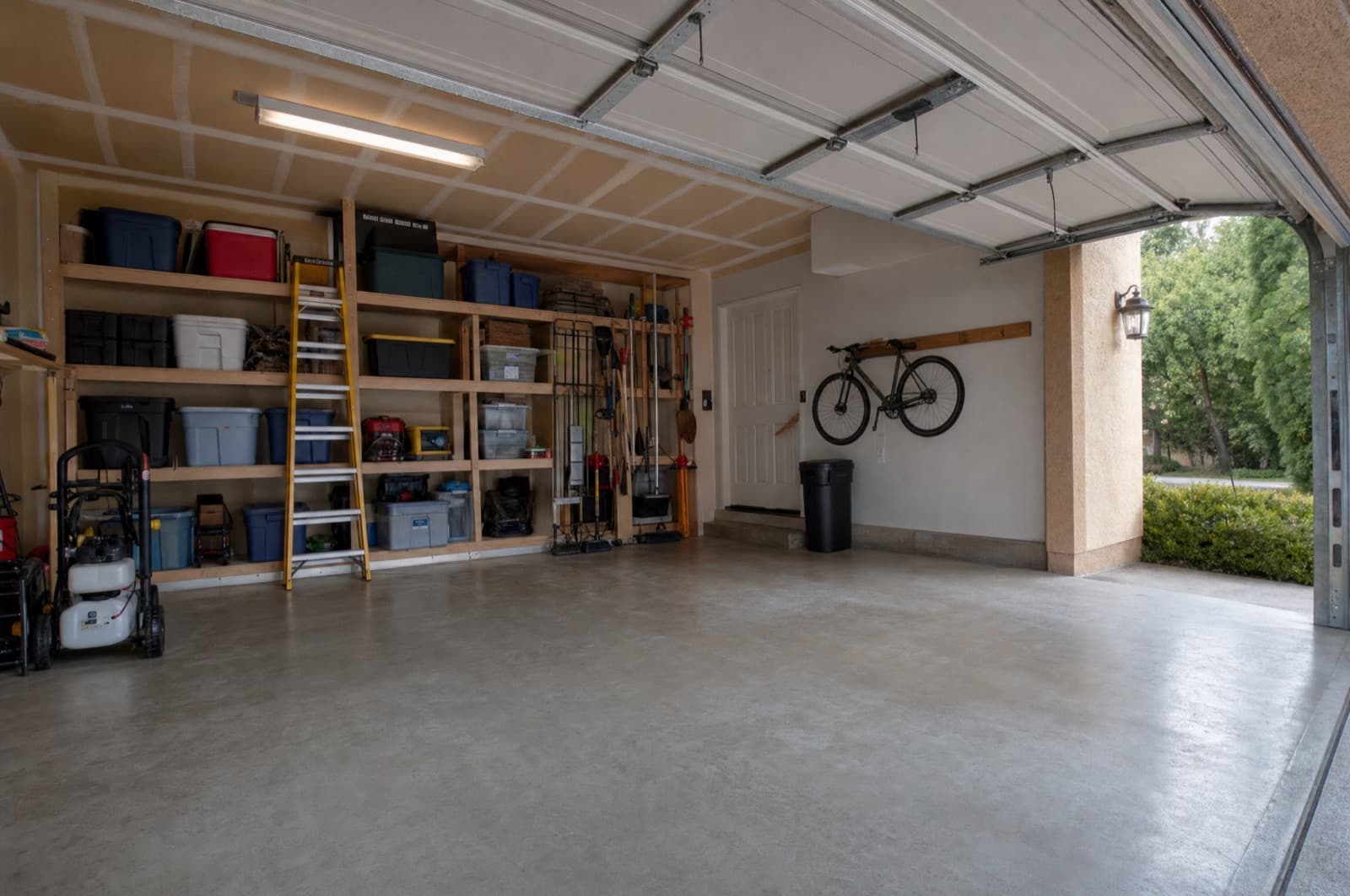
Why Does My Garage Smell Bad? Common Causes and Solutions
A musty, ammonia-tinged smell with droppings or shredded material along the walls is almost always rodents nesting in the garage — extremely common in New Hampshire garages in fall and winter. A putrid smell with flies usually means a dead mouse, rat, or other small animal. A gasoline or solvent smell that isn't fading is a genuine fire hazard: even a small amount of spilled or evaporating gasoline can fill a garage with explosive vapors, so it needs to be addressed immediately, not lived with. And running a vehicle in the garage, even with the door open, can build up carbon monoxide — which has no smell — so a CO alarm on the house side of the connecting door matters regardless of which odor brought you here.
Garages are less sealed, less insulated, and less frequently disturbed than living space, which makes them one of the easiest rooms for rodents to move into undetected — especially as temperatures drop in fall. But a garage also stores exactly the things that can turn a bad smell into a real hazard: gasoline, solvents, and a vehicle's exhaust. Telling an ammonia-and-droppings rodent smell apart from a gasoline-vapor hazard is the first thing to get right before doing anything else.
At a Glance
- Diagnosing: Garage
- Top cause: Pest
- Safety: A real hazard may apply — read the red band below
Rodents nesting in the garage — extremely common in NH garages in fall and winter — is the most likely cause; stored gasoline and vehicle exhaust are the two genuine hazards to rule out first.
Ranked causes — and how to tell them apart
Like a doctor's differential: the candidate causes for this smell, ranked most-likely first, each with the tell-tale sign that distinguishes it and who actually fixes it.
- Most likelyPest
Rodents nesting in the garage
How to tell it's this
A musty, ammonia-tinged urine smell with visible droppings, gnaw marks, and shredded nesting material in corners, stored boxes, or along the wall base; scratching sounds are common.
Who fixes itPest → AnchorMice and rats move into unheated garages seeking warmth as temperatures drop — removal plus exclusion is the fix.
- PossibleDecay / Food
Dead animal in the garage
How to tell it's this
A putrid, sweet-then-rotting smell with flies; a mouse may smell for about a week, a rat or squirrel for several weeks.
Who fixes itPest → AnchorLocate and remove with PPE, then enzymatic cleanup of the area.
- PossibleOther
Stored gasoline or chemicals
How to tell it's this
A sharp gasoline or solvent smell, often from a leaking or overfilled fuel can, an open paint container, or fertilizer; not tied to any wall, corner, or nest.
Who fixes itYou can handle itReseal or move the container to a cool, ventilated spot away from any furnace, water heater, or pilot light — never near an ignition source.
- Less likelyPlumbing / Sewer
Floor drain or plumbing
How to tell it's this
A rotten-egg smell from a garage floor drain, typically because its P-trap has dried out from disuse.
Who fixes itYou can handle itPour a quart of water down the drain to refill the trap; call a plumber if the smell returns.
- Less likelyGas
Vehicle exhaust / carbon monoxide
How to tell it's this
An exhaust smell after running or warming up a car in the garage; CO itself is odorless and is the real risk even after the exhaust smell fades.
Who fixes itEmergencyNever idle a vehicle indoors, even with the door open; install a CO alarm on the house side of the connecting door.
What each clue points to
Notice one of these and you can narrow the differential fast.
- Pest
If you notice: Ammonia/musty smell with droppings along the wall base
A rodent nest — the more droppings and shredded material, the more established it is.
- Other
If you notice: Gasoline smell strongest near a fuel can or mower
A fuel-vapor hazard — reseal the container and move it away from ignition sources.
- Plumbing / Sewer
If you notice: Rotten-egg smell from a floor drain
A dry P-trap — refill it with water; call a plumber if it returns.
- Gas
If you notice: Exhaust smell that lingers after parking
Ventilate immediately and never idle indoors; confirm a CO alarm is installed near the house entry.
- Decay / Food
If you notice: Putrid smell with flies gathering in one corner
A dead animal — the flies mark roughly where it is.
How Anchor finds and fixes it
When the differential points to rodents or a dead animal, here's how a technician approaches a garage — often the easiest access point of any room in the house:
Inspect wall bases, corners, and stored items
Boxes, stored furniture, and wall-floor junctions are checked first, since that's where nests and droppings concentrate in a garage.
Confirm and locate any carcass
If the smell is putrid rather than ammonia-forward, the odor and fly activity are followed to the carcass.
Remove with PPE
Nesting material, droppings, and any carcass are removed by hand, following CDC guidance to never dry-sweep or vacuum rodent waste.
Enzymatic cleanup
Urine-soaked and decomposition-affected surfaces are treated with an enzyme-based cleaner that breaks down the odor compounds rather than masking them.
Seal entry points
Gaps around the garage door, service door, and utility penetrations are sealed so the next rodent doesn't move in as temperatures drop again.
Once the nest or carcass is removed and the area is cleaned, garage odors typically clear within days to about two weeks; species ID and deeper rodent biology live at /pests and /mice-and-rats-faq.
Droppings or a smell in the garage?
Anchor's NH technicians confirm the nest or carcass, remove it, clean up, and seal the entry points before the next cold snap. Free inspection, same-day service.
Who to call for the other causes
The honest routing: when the smell points somewhere other than a pest, here's the right trade and the conservative next step.
- You can handle it
A gasoline or solvent smell isn't fading and can't be traced to a sealed container
Ventilate the space, avoid any spark or ignition source, and move or reseal the container away from furnaces, water heaters, or pilot lights.
- Plumber
A rotten-egg smell is coming from a floor drain
Pour a quart of water down the drain to refill the trap; if it persists, call a plumber.
Why NH garages fill up with rodents every fall
Attached and detached garages are one of the top fall entry points as mice and rats push indoors seeking warmth once nighttime temperatures drop below about 50°F — and because a garage is disturbed far less often than living space, an established nest can go unnoticed for weeks. NH's cold winters also tempt homeowners to warm up a car in the garage before driving, a dangerous carbon-monoxide practice even with the door raised.
NH-licensed applicator #782664 (NHDAMF, RSA 430) · NEPMA member · family-owned since 2017.
Frequently asked
Sources(4)
- [1]CPSC — Consumers Warned Against Storing Gasoline (NFPA vapor-fill figure)
Small amounts of gasoline vapor can fill a garage with explosive vapor
gov - [2]CPSC — Fuel Container, Gasoline, and Other Liquid Fuel Safety
Storing fuel away from ignition sources including pilot lights and heaters
gov - [3]
- [4]
Written & reviewed by
VerifiedDaniel Brady
NH-Licensed Pesticide Applicator · License #782664 (NHDAMF, RSA 430)
Daniel Brady is the New Hampshire–licensed applicator behind Anchor Pest Services, a family-owned pest control company serving the Manchester area since 2017.
Last updated 2026-07-14
Odor-Source Diagnosis & Removal
Rodents in the Garage? Find, Remove, and Seal It Up
Anchor Pest Services locates the nest or carcass, removes it, cleans up with enzymatic treatment, and seals the entry points, across southern and central New Hampshire. Family-owned since 2017, NH license #782664.
- Garage-specific inspection (wall bases, stored items)
- CDC-aligned cleanup + enzymatic odor removal
- Entry-point sealing before the fall push indoors
NH License #782664 · No obligation · We answer in person
Your next step
- Book a NH pro
Pest Control Services
Licensed, family-owned pest control across southern NH.
Book now - Related guide
What Is That Smell in My Walls or Ceiling?
Read the answer - Related guide
Why Does My Attic Smell Bad? Common Causes and What to Do
Read the answer - Related guide
Why Do My Vents Smell Bad? Common Causes and How to Fix Them
Read the answer - Related guide
Dead Animal Smell in Your House: How to Find It and Get Rid of It
Read the answer - Related guide
What Is That Smell in My Basement? Common Causes and Fixes
Read the answer