
Skip to content
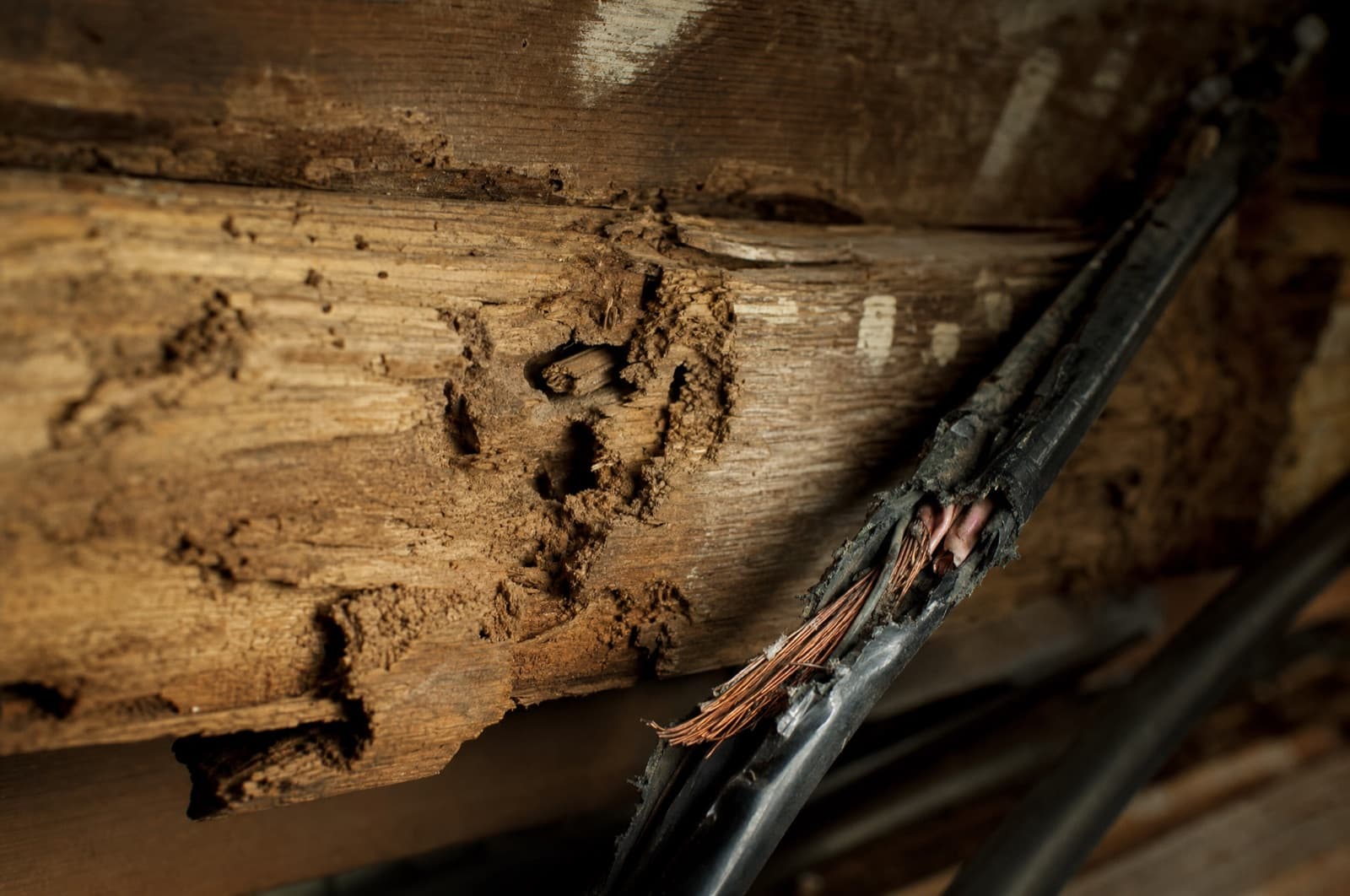
Pest damage evidence — a gnawed structural beam and a chewed electrical wire
Daniel Brady · NH-Licensed Pesticide Applicator · License #782664
Reviewed by Daniel Brady

Do rodents chew plumbing or insulation materials?

Functional damage — real for plastic, not for copper or steel
Yes — rodents chew plastic plumbing, specifically PEX tubing and flexible or low-density PVC and PE supply lines, along with foam pipe insulation, and a pinhole in a pressurized line can leak slowly behind a wall or, less often, fail outright. They do not chew through rigid copper or steel pipe. The chewing isn't because they're thirsty — it's obligate gnawing that happens to hit a pipe that's in the way — and the damage is functional, not evidence of a targeted search for water.

At a glance

  • Can it?: Yes, but
  • How common: Occasional
  • Hype: Overstated
  • Evidence: Plausible, under-documented
The honest answer

The short of it

The verdict
Functional damage — real for plastic, not for copper or steel

Yes — rodents chew PEX, flexible PVC, and foam pipe insulation routinely, and a gnawed supply line can leak, but they cannot chew rigid copper or steel pipe, and "flash flood" framing overstates a problem that's usually a slow, findable leak.

The correction

What they claim vs. what the evidence supports

One shared severity track, two markers. The span between them is the hype delta — named out loud.

The claim — rodents chewing plastic plumbing and pipe insulation

Plumbing and pest blogs often frame this as a flash-flood-style catastrophe waiting to happen, and some suggest rodents specifically seek out pipes because they're thirsty.

Where the claim comes from: Plumbing-company blog copy and viral home-damage posts that favor a dramatic flood narrative.

Severity, 0–100
Hype says65
45Evidence says
Hype delta20point gapPlausible, under-documented
The evidence

Plastic pipe vulnerability is real and well attested by field and trade reports and a patent summary of rodent-pipe interactions, but no controlled study has measured how often this actually happens or established that rodents specifically target pipes for water — plumbing trade discussion itself notes that no material-preference study exists. When it does happen, the more common outcome is a slow, hidden leak rather than a sudden flood, and it's fully repairable by replacing the damaged segment.

The gap

Plastic pipe really is vulnerable, and a hidden leak is a genuine risk worth catching early — but the "flash flood" and "they're hunting your water" framing is dramatization. Copper and steel pipe are simply not on the menu.

Damage assessment

What is actually harmed

Damage verdict
Functional damage — real for plastic, not for copper or steel
FunctionalCan it?Yes, but
The specimen
Pest
House mice, Norway rats, and roof rats
What is in question
PEX and flexible PVC or PE water-supply lines, plus foam pipe insulation
How common
Occasional
Evidence
Plausible, under-documented
Mechanism

Rodent gnawing is obligate incisor wear, not targeted foraging, and it happens wherever an accessible edge exists along a travel route. Field and patent-literature observation describes the damage as hardness-dependent: flexible, low-density plastic pipe is chewed noticeably more than rigid, high-density pipe, and a rodent that encounters a genuinely rigid, smooth pipe tests it and moves on.

Actually at risk4
  • PEX tubing
  • Flexible or low-density PVC and PE supply lines
  • Foam pipe insulation and pipe wrap
  • Vapor barriers and rubber gaskets near plumbing runs
Not at risk — despite the myth4
  • Rigid copper pipe
  • Galvanized or black steel pipe
  • Cast iron drain and waste lines
  • Standard rigid-schedule PVC drain pipe
Worst realistic case
A concealed slow leak behind a wall that causes localized water damage or mold over weeks before it's noticed, or a line that fails outright under pressure — a real plumbing repair, not a flood that takes the house down.

Assessed from: USPTO US10278380 (pipe damage is hardness-dependent); plumbing-trade discussion (no controlled material-preference study exists); ICWDM (gnawing behavior)

The compounding clock

Does it get worse if you ignore it?

Over time
Compounds

A gnawed line compounds under pressure — but stops producing new damage the moment the rodents are gone.

The timeline
3 stages
  1. DaysReversible

    A rodent tests and begins gnawing at an accessible seam or bend in a flexible line, usually invisible behind a wall or in a crawlspace.

  2. WeeksReversible

    A pinhole forms; under constant water pressure it can slowly widen, and a damp spot or a slight pressure drop may appear.

  3. MonthsReversible

    An unaddressed pinhole can widen further, or the surrounding area can develop water damage or mold from a slow, unnoticed leak.

What stops the clock
Excluding the rodents stops new gnawing immediately. The existing damaged segment still needs a plumber to find and replace it — exclusion alone doesn't repair a leak already started.
Repair scope

Who actually fixes this

Scope, not dollars — the honest answer to “how expensive is it,” routed to the right trade.

Who fixes it
Pest pro first
Effort
A trade visit

New gnawing won't stop until the rodents are excluded, and a plumber can't be sure the leak risk is over until they are — but the pipe itself is a plumbing repair, not a pest-control one.

The right order
  1. 1
    Anchor: exclude and remove the rodents so no new gnawing occurs
  2. 2
    Plumber: locate and replace the damaged pipe segment or insulation
  3. 3
    Remediation, if the leak went unnoticed long enough to cause water damage or mold
Route by symptom
  • PlumberYou notice unexplained dampness, a pressure drop, or a visibly chewed line
  • Qualified remediationA hidden leak has caused water damage or mold growth
Do not
  • Don't ignore a small damp spot near a wall or crawlspace — a slow leak behind drywall can go undetected for weeks
  • Don't patch a chewed line yourself with tape — have a plumber replace the damaged segment properly
Where we help — and where we don't

Anchor stops the rodents chewing the line — that's genuinely our work. We do not repair or replace plumbing; that's a licensed plumber's job, and we'll say so rather than quote you for it.

In depth

The full picture

01

What's actually vulnerable — and what isn't

PEX tubing and flexible, low-density PVC or PE supply lines are genuinely gnawed by rodents, along with foam pipe insulation wrapped around them. A patent summarizing field and laboratory observation of rodent-pipe interactions describes the damage as hardness-dependent — flexible plastic is chewed far more than rigid, high-density pipe.

Rigid copper, galvanized or black steel pipe, and cast iron drain lines are a different story. These materials are simply too hard and too smooth for a rodent to get purchase on, and the same field observation describes rodents testing a hard, rigid pipe and then moving on rather than persisting.

02

Why "they're thirsty" is the wrong explanation

It's tempting to think a chewed water line means a rodent was specifically seeking water, but that framing isn't supported. Gnawing is an obligate behavior tied to continuously growing incisors, not a response to thirst, and it happens wherever an accessible plastic surface sits along a travel route — a pipe is simply one more gnawable object, not a deliberately sought target.

Plumbing-trade discussion itself is honest about the gap here: no controlled study has measured which materials rodents actually prefer to chew, so claims about targeted water-seeking behavior are speculation dressed up as fact.

03

How a hidden leak actually plays out

The realistic sequence starts small: a pinhole in a flexible line, invisible behind a wall or under a floor. Under constant water-supply pressure, that pinhole can slowly widen over weeks, producing a damp spot, a musty smell, or a subtle pressure drop before it's noticed. Less commonly, a line fails more abruptly.

Either way, this is a plumbing repair — locating and replacing the damaged segment — not a structural or fire event, and not the sudden flood the more dramatic blog posts describe.

04

Functional damage, and a real but manageable risk

Chewed plastic plumbing is functional damage: it breaks a system rather than weakening the building. It's genuinely worth catching early, because an unaddressed leak can lead to water damage or mold given enough time — but it is not evidence of a targeted assault on your water supply, and it stops the moment the rodents causing it are excluded.

Key takeaways
5 points
  • Yes for PEX, flexible PVC/PE, and foam pipe insulation — rodents chew these routinely where they travel.
  • No for copper or steel pipe — rodents cannot breach rigid metal plumbing.
  • The damage isn't rodents "seeking water" — it's the same obligate gnawing that hits any accessible material.
  • The realistic risk is a slow, hidden leak, not a sudden flood.
  • Exclude the rodents first; a plumber repairs the damaged line.
New Hampshire context

New Hampshire homes and plastic plumbing

PEX has become a common repipe and new-construction choice across southern and central New Hampshire, often run through the same basements and crawlspaces mice and rats use as travel corridors, especially as overnight temperatures push rodents indoors toward Manchester's first hard frost, historically around October 19 to 29. Homes with unfinished basements or crawlspace plumbing runs are the areas where this shows up most.

  • NH-licensed #782664

    Southern New Hampshire

  • Family-owned

    Since 2017

  • Honest routing

    Even when it isn’t us

We serve these communities

ManchesterNashuaConcordDerryBedfordSalemHudsonAmherstAuburnGoffstownHooksettLitchfieldLoudonMilfordBristol

Service Area Map

Southern New Hampshire

BristolPop. 3,200LoudonPop. 5,500ConcordPop. 43,900HooksettPop. 14,800GoffstownPop. 18,000AuburnPop. 5,700ManchesterPop. 115,600BedfordPop. 23,300LitchfieldPop. 8,500AmherstPop. 11,300DerryPop. 34,500MilfordPop. 15,700HudsonPop. 25,600NashuaPop. 91,100SalemPop. 30,000HQCityHover for info

Rodents chewing plumbing lines? Stop the gnawer before the plumber starts.

Anchor handles exclusion and removal — the step that keeps a repaired line from getting chewed right back open.

Follow-up questions

Frequently asked

Sources & citations(5)
  1. USPTO US10278380 — Rodent-resistant pipe (field observation of gnawing behavior)

    Rodent pipe damage is determined by pipe hardness; rigid pipe is tested and abandoned

    academicverified 2026-07-16
  2. Internet Center for Wildlife Damage Management — House Mouse Damage Identification

    Rodent gnawing behavior and material vulnerability

    extensionverified 2026-07-16
  3. University of Nebraska–Lincoln Extension — Controlling House Mice (G1105)

    Rodent presence and damage patterns in structures

    extensionverified 2026-07-16
  4. Internet Center for Wildlife Damage Management — Rodent Exclusion Methods

    Exclusion materials and gauges that resist rodent gnawing

    extensionverified 2026-07-16
  5. NFPA — Animals Fact Sheet

    Context: NFPA's genuine animal-related home-fire figure, relevant to this cluster's wiring-fire correction

    fireverified 2026-07-16

Written & reviewed by

Verified

Daniel Brady

NH-Licensed Pesticide Applicator · License #782664 (NHDAMF, RSA 430)

Daniel Brady is the New Hampshire–licensed applicator behind Anchor Pest Services, a family-owned pest control company serving the Manchester area since 2017.

Verify license

Last updated Jul 2026

Honest pest help for New Hampshire homes

We Stop the Rodents. A Plumber Fixes the Pipe.

A chewed supply line is a plumbing repair, and we won't quote you for it. What Anchor Pest Services does is the step that makes that repair stick — removing the rodents and sealing every entry with steel, mortar, and mesh they can't breach. Family-owned since 2017, NH license #782664, serving Manchester, Nashua, Concord and nearby towns.

  • Honest advice — we route you to the right trade, even when it isn't us
  • NH-licensed applicators (#782664) — free inspection, same-day service
  • Rodent exclusion across southern and central New Hampshire

NH License #782664 · No obligation · We answer in person