
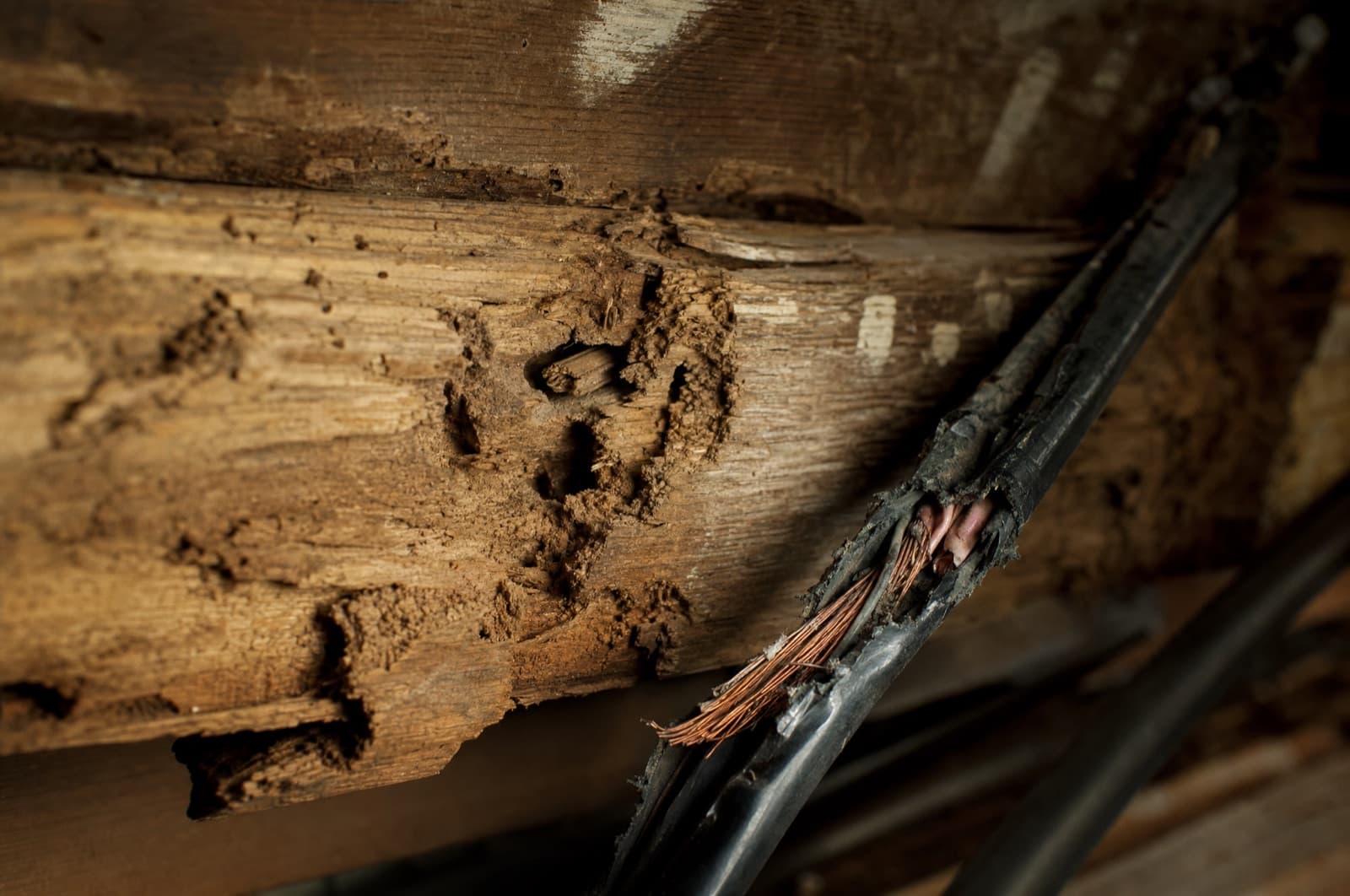
Why do pests prefer wood, paper, or fabric?

Don't wait - every day increases health risks and property damage. These aggressive rodents multiply rapidly and spread dangerous diseases.

Professional elimination is the ONLY safe and effective solution. DIY methods fail 90% of the time and can make the problem worse.

24 Hours

Average response time

100%

Satisfaction guarantee

Call now for same-day, eco-friendly pest control

With over 20 years of experience, Anchor Pest offers personalized, chemical-safe yearly subscriptions, protecting homes and businesses across Manchester and surrounding counties with ongoing peace of mind.

(603) 785-0118

Contact Us

Why do pests prefer wood, paper, or fabric?


Pests like insects and rodents are often attracted to wood, paper, and fabric because these materials provide them with food, shelter, and the right conditions to survive and reproduce. Each of these materials offers something specific that helps certain pests thrive, and understanding these preferences can help you prevent infestations in your home or business.

How Wood Attracts Pests

Wood, especially when it’s damp or untreated, attracts a range of pests:

  • Termites feed on the cellulose in wood, which is a main component of a tree’s structure. Cellulose is a carbohydrate that gives plants strength and energy, and some pests have special bacteria in their stomachs that help break it down for food.
  • Carpenter ants don’t eat wood, but tunnel through it to create nests. Soft, decayed, or moist wood is easier for them to excavate.
  • Wood-boring beetles such as powderpost beetles also lay eggs in cracks in wood. When the larvae hatch, they eat the wood as they grow.

Wood creates a cozy, hidden environment with protection from predators and the elements, allowing pests to thrive undisturbed.

Why Paper Appeals to Pests

Paper, made from plant fibers, naturally attracts pests for several reasons:

  • Silverfish love starchy substances, and paper—especially with glue or adhesives—is a food source for them. They’ll feed on the fibers and any organic residues.
  • Cockroaches will eat almost anything, including paper, and will often hide in cluttered piles of newspapers or cardboard boxes because it offers dark, protective hiding spots.
  • Moist or damp paper, such as books or cardboard stored in a basement, is especially attractive because many pests are drawn to humid environments.

Paper clutter also creates nests and pathways for pests to travel without being seen, increasing the risk of a hidden infestation.

How Fabric Becomes a Target for Pests

Fabrics, especially those made of natural materials like wool, silk, or cotton, are vulnerable to certain pests:

  • Moths (specifically their larvae) will eat holes into natural fibers. They are attracted to fabric that has traces of sweat, oils, or food particles, which add nutrition.
  • Carpet beetles and their larvae also feed on keratin, a protein found in animal hair and fibers, making wool carpets and clothing a target.
  • Stored clothing, blankets, or fabric in dark, undisturbed areas—like closets or attics—are rarely moved, creating a perfect, hidden buffet for these insects.

Synthetic fabrics are less appealing but can still be damaged if blended with natural fibers or soiled with food or organic stains.

What Makes These Materials So Attractive Compared to Others?

  • Wood, paper, and fabric are all from natural sources and often contain cellulose, starch, or keratin, which many pests can digest but are hard for other creatures to eat.
  • These materials can absorb moisture, creating damp areas ideal for pests who need water to survive.
  • They provide excellent shelter — whether it’s the inside of a wooden beam, a pile of papers, or a stack of clothes, pests can hide from danger and harsh weather.

The combination of a food source, suitable living environment, and protection makes wood, paper, and fabric much more attractive to pests than metal, glass, or plastic.

Tips for Preventing Pest Problems with These Materials

  • Keep wood surfaces dry and well-sealed; repair leaks and remove moisture quickly to discourage wood-eating pests.
  • Reduce paper clutter; store important documents in airtight plastic bins and recycle unused newspapers and cardboard regularly.
  • Wash and dry fabrics before storing; keep them in sealed containers or vacuum bags, and regularly clean out closets and storage spaces.
  • Check for signs of pests—such as holes, droppings, or webbing—in hidden or undisturbed places at least a few times a year.

By understanding what attracts pests to these materials, you can take targeted action to protect your home and belongings.

Protect Your Family Today

Professional pest control eliminates troubles immediately. Our safe, effective treatments protect your loved ones from dangerous diseases.

Identify Your Pest and Discover the Best Solutions

Can pest infestations affect home resale value?

How pest infestations can damage your home and hurt resale value, plus practical prevention tips to safeguard your property investment.

Read More

Do seasonal pests cause different types of damage?

How seasonal pests—from spring ants to winter rodents—cause unique damage and learn tips to protect your home year-round.

Read More

Can bats ruin attic insulation with droppings?

How bat droppings can damage your attic insulation, pose health hazards, and learn expert tips to prevent costly repairs and keep your home safe.

Read More

Can termites damage flooring or wall supports?

How termites can damage your flooring and wall supports, spot early warning signs, and take action to protect your home from costly repairs.

Read More

Can starlings or pigeons clog vents or drains?

Whether starlings and pigeons can clog vents or drains, uncover the warning signs of blockages, and discover proven prevention tips to keep your home safe.

Read More

Can fleas damage anything besides biting pets?

How fleas can harm more than just your pets—infesting carpets, damaging furniture, and posing health risks to humans. Learn expert tips for prevention and.

Read More

Why do roaches hide in kitchen appliances?

Why roaches hide in kitchen appliances—warmth, food crumbs, moisture and dark tight spots—and learn simple tips to prevent infestations and keep your kitchen.

Read More

Can bird nests cause chimney fires?

Can bird nests cause chimney fires? Learn how flue blockages from nests can ignite dangerous hotspots and discover expert tips on safe nest removal, chimney maintenance, and fire prevention.

Read More

Which pests cause the most expensive repairs?

Which pests—termites, rodents, carpenter ants and more—can drive up your repair bills, and get expert tips to prevent costly home damage.

Read More

Professional Solution That Actually Works

Our certified technicians eliminate pests infestations completely and permanently.
Here's what you get:

🔍

Immediate Assessment

Trained experts identify entry points and nesting areas

🛡️

Safe Treatment

Pet and family-friendly methods used

🎯

Complete Elimination

Targets entire colony, not just visible insects or rodents

📋

Prevention Plan

Long-term exclusion strategies

🧽

Health Protection

Proper cleanup and sanitization

Guarantee

Service warranty and follow-up visits

Our 3-Step Elimination Process

🔍

1. Immediate Inspection

Complete property assessment within 24 hours

🎯

2. Targeted Elimination

Safe, effective treatment of entire colony

🛡️

3. Prevention Plan

Long-term exclusion and monitoring

Ready to Solve This Problem Forever?

Join thousands of satisfied customers who chose professional pest control.
100% satisfaction guarantee.

Quarterly Subscription Plans • Licensed & Insured • Same-Day Start • 100% Satisfaction Guarantee