
Can Pest Control Prevent Pests Linked to Heating Systems?
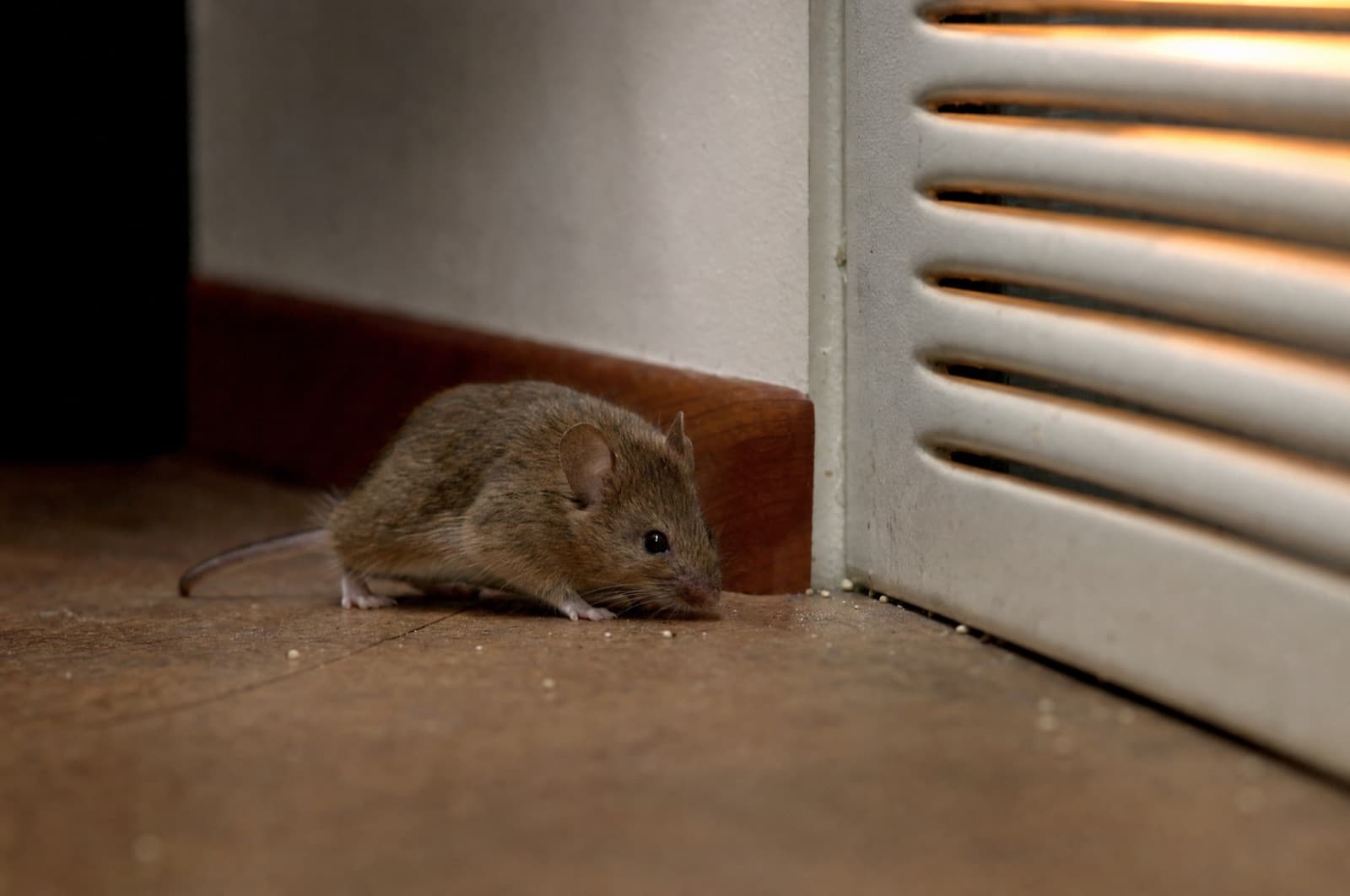
Mostly yes, and the pests it prevents best are warmth-seeking rodents — a real, documented behavior — plus overwintering insects, which pest control reduces mainly through fall exclusion rather than after they're already dormant indoors.
Our original hypothesis for this page (heat_activates alone) undersold the story. The pests most 'linked to heating systems' are rodents actively drawn to warmth, whose gnawing then threatens the equipment — prevention works by denying entry, not by changing the heat.
At a glance
- The mechanism: Heat draws them in
- Who fixes it: A licensed pest pro
- The rest lives at: Why do pests prefer attics and crawlspaces in winter?
Mostly yes, and the pests it prevents best are warmth-seeking rodents — a real, documented behavior — plus overwintering insects, which pest control reduces mainly through fall exclusion rather than after they're already dormant indoors.
Our original hypothesis for this page (heat_activates alone) undersold the story. The pests most 'linked to heating systems' are rodents actively drawn to warmth, whose gnawing then threatens the equipment — prevention works by denying entry, not by changing the heat.
Heat doesn't spawn pests — it changes what you notice
The season and the building set the stage before the thermostat ever comes on. Here's the honest chain of events, spelled out.
What's really happening
Effective prevention means denying entry and harborage before pests establish themselves, not counteracting the heat itself. EPA-endorsed Integrated Pest Management prioritizes sealing entry points, sanitation, and habitat reduction over chemical treatment. For overwintering insects like cluster flies and Asian lady beetles, UNH Extension advises exclusion in late summer or early fall — once they're inside wall voids for winter, insecticides are largely ineffective and control becomes mechanical (swatting, vacuuming) rather than preventive.
Source:UNH Cooperative Extension— Cluster Flies fact sheet — exclusion timing before wall-void entry
Is this an HVAC problem or a pest problem?
Who actually fixes it
A licensed pest pro
Professional exclusion and Integrated Pest Management address both the rodent-attraction and insect-entry sides of this question, while homeowners handle ongoing sealing and sanitation between visits.
Recurring infestations despite sealing, or any suspected wiring or equipment damage from rodents — bring in an HVAC technician or electrician alongside the pest professional.
This hub owns the heating-system angle
General winter behavior, rodent control, and equipment-damage severity live in siblings that already earn them. Here's exactly where.
This hub owns the 'pests linked to heating systems' framing — why prevention targets warmth-seeking rodents and equipment access, not the heat itself. Broader winter pest behavior and timing is owned by our winter pest FAQ, and rodent exclusion specifics live on our mice & rats FAQ.
How this calibrates for NH
UNH Extension's Cluster Flies fact sheet advises sealing siding cracks and covering attic vents with wire screening before September 10th, and mice begin entering New Hampshire homes September through October — so in New Hampshire, effective 'prevention' for heating-linked pests is a fall calendar event, not something done once the furnace is already running.
NH-licensed applicator #782664 (NHDAMF, RSA 430) · NEPMA member · family-owned since 2017.
Frequently asked
Sources(3)
- [1]EPA
Integrated Pest Management framework — exclusion/sanitation prioritized over chemical treatment
- [2]UNH Cooperative Extension
Cluster Flies fact sheet — exclusion before September 10th, ineffectiveness of insecticide once dormant indoors
- [3]UNH Cooperative Extension
Mouse entry timing — New Hampshire homes, September–October
Written & reviewed by
VerifiedDaniel Brady
NH-Licensed Pesticide Applicator · License #782664 (NHDAMF, RSA 430)
Daniel Brady is the New Hampshire–licensed applicator behind Anchor Pest Services, a family-owned pest control company serving the Manchester area since 2017.
Anchor Pest Services
Worth a professional pest inspection?
We've protected Southern New Hampshire homes since 2017. Free inspection, same-day service — we tell you what's actually there before we treat anything.
- NH-licensed applicator
- Same-day service
- Pet & family-conscious
NH License #782664 · No obligation · We answer in person