
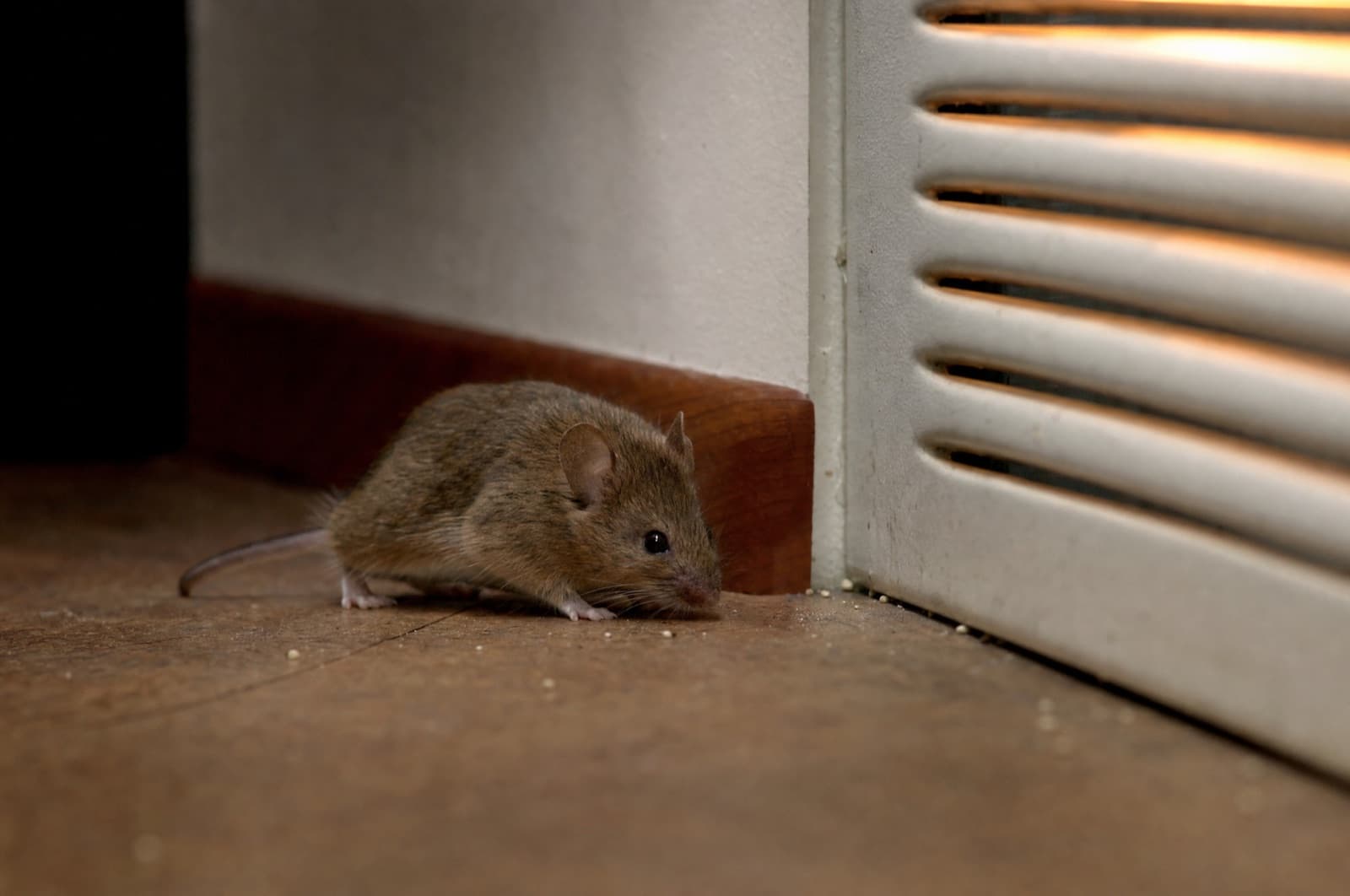
Do Pests Enter Homes Through Heating Vents?
Rodents and some insects do exploit exterior HVAC-related openings, and warmth-seeking draws them there — but the common mental image of pests crawling in through your living-room floor register from outdoors is largely wrong. Interior registers connect to an internal duct network, not directly to the outside.
Seal exterior penetrations and screen exterior terminations. Don't picture your living-room vent as an open door to the yard.
At a glance
- The mechanism: Heat draws them in
- Who fixes it: A licensed pest pro
- The rest lives at: How do I get rid of mice in walls?
Rodents and some insects do exploit exterior HVAC-related openings, and warmth-seeking draws them there — but the common mental image of pests crawling in through your living-room floor register from outdoors is largely wrong. Interior registers connect to an internal duct network, not directly to the outside.
Seal exterior penetrations and screen exterior terminations. Don't picture your living-room vent as an open door to the yard.
Heat doesn't spawn pests — it changes what you notice
The season and the building set the stage before the thermostat ever comes on. Here's the honest chain of events, spelled out.
What's really happening
Pests approach the building exterior and find HVAC-associated exterior openings — unscreened intake or exhaust terminations, gaps around line-set penetrations, or damaged duct boots in a crawlspace or attic. Rodents especially enter there and then travel the internal duct or chase network, eventually showing up at an interior register, which reads to a homeowner as 'they came in through the vent.' The true entry point was an exterior penetration, not the register itself.
Source:Illinois Extension— Fall home-invading insects enter through exterior cracks and gaps, not through interior registers
Is this an HVAC problem or a pest problem?
Who actually fixes it
A licensed pest pro
Finding and sealing the actual exterior pest entry points, then controlling anything already inside the duct network, is professional exclusion and pest-control work.
The opening is an HVAC termination or duct boot that needs screening or repair without choking airflow or combustion air — that part is HVAC technician work.
This hub owns the heating-system angle
General winter behavior, rodent control, and equipment-damage severity live in siblings that already earn them. Here's exactly where.
This page owns the vents-as-entry myth versus reality. Whole-home exclusion strategy belongs to our mice & rats FAQ; duct-damage severity belongs to our pest damage and risks hub.
How this calibrates for NH
Many New Hampshire homes have exterior combustion-air intakes and high-efficiency furnace or boiler PVC vent terminations mounted low on the wall, near snow-line height — exactly the spots that should be screened against rodents while staying clear enough for safe venting, since a blocked vent creates its own separate safety problem.
NH-licensed applicator #782664 (NHDAMF, RSA 430) · NEPMA member · family-owned since 2017.
Frequently asked
Sources(2)
- [1]UNH Cooperative Extension
"How Can I Get Rid of the Mice in My House?" — seal where pipes and utilities enter the home
- [2]Illinois Extension
Fall home-invading insects enter through exterior cracks and gaps, not through registers
Written & reviewed by
VerifiedDaniel Brady
NH-Licensed Pesticide Applicator · License #782664 (NHDAMF, RSA 430)
Daniel Brady is the New Hampshire–licensed applicator behind Anchor Pest Services, a family-owned pest control company serving the Manchester area since 2017.
Anchor Pest Services
Worth a professional pest inspection?
We've protected Southern New Hampshire homes since 2017. Free inspection, same-day service — we tell you what's actually there before we treat anything.
- NH-licensed applicator
- Same-day service
- Pet & family-conscious
NH License #782664 · No obligation · We answer in person