
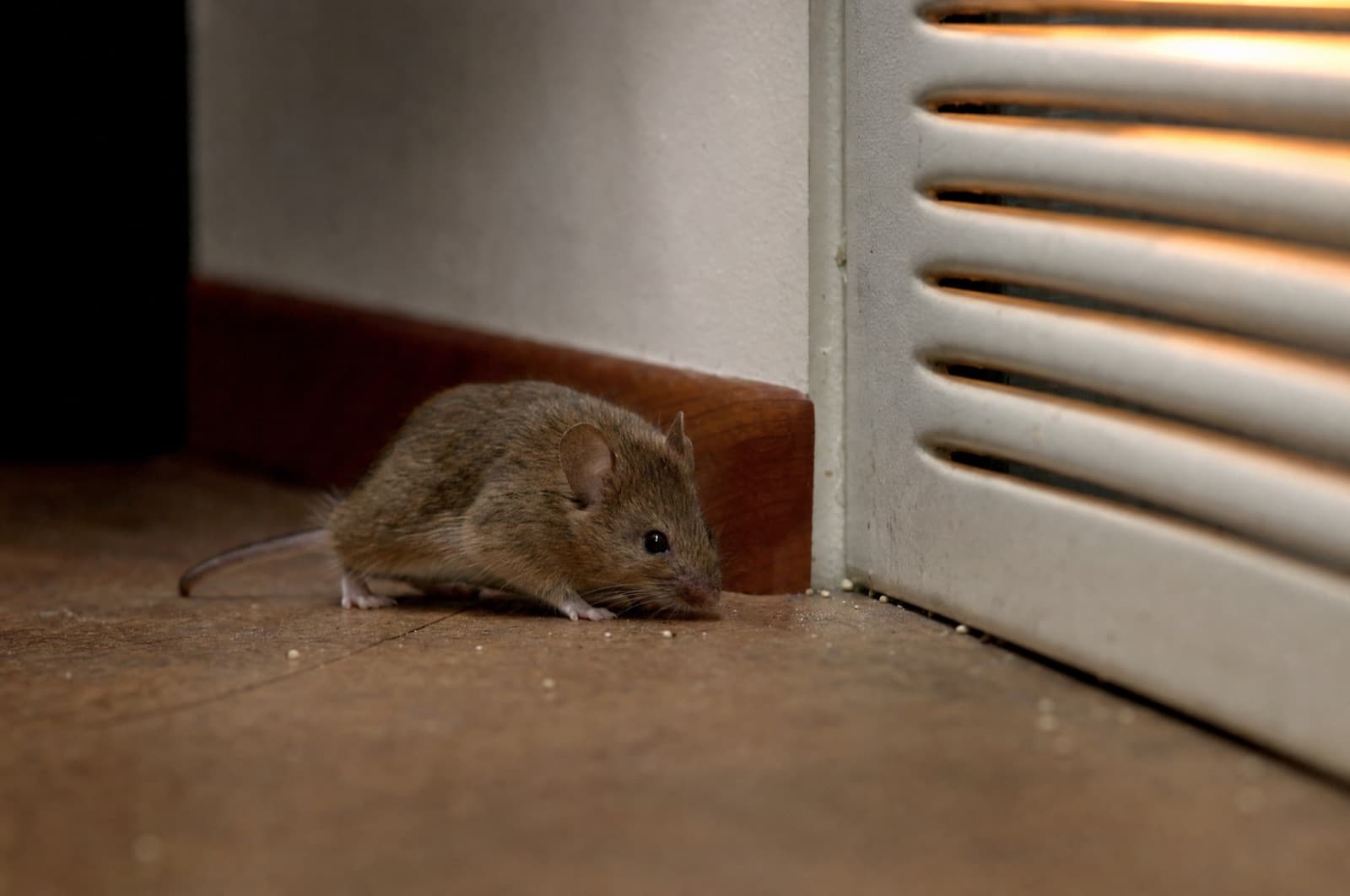
Do Pests Infest HVAC Systems?
Rodents are genuinely drawn to the stable warmth, shelter, and insulation inside HVAC ductwork, air handlers, and the chases around them — and once they're in, they can damage the system by chewing insulation and, in some cases, wiring.
Worth fixing for efficiency loss, contamination, and repair cost. It rises to a genuine safety concern only where gnawing exposes energized wiring, which is real but not common — and it is not the fire hazard the pest industry has claimed.
At a glance
- The mechanism: Heat draws them in
- Who fixes it: A licensed pest pro
- The rest lives at: Can rats cause electrical fires?
Rodents are genuinely drawn to the stable warmth, shelter, and insulation inside HVAC ductwork, air handlers, and the chases around them — and once they're in, they can damage the system by chewing insulation and, in some cases, wiring.
Worth fixing for efficiency loss, contamination, and repair cost. It rises to a genuine safety concern only where gnawing exposes energized wiring, which is real but not common — and it is not the fire hazard the pest industry has claimed.
Heat doesn't spawn pests — it changes what you notice
The season and the building set the stage before the thermostat ever comes on. Here's the honest chain of events, spelled out.
What's really happening
A rodent enters through an exterior penetration, finds the warm, quiet, insulated spaces inside HVAC ductwork and equipment, and nests in or around ducts and cabinets, chewing insulation and sometimes wiring. The consequences are reduced efficiency, air leaks, and contaminated ducts as droppings and urine circulate through the blower — and where wire insulation is damaged, a genuine arcing ignition pathway. U.S. Fire Administration data on residential electrical fires found that electrical failure or malfunction was the leading ignition factor by far, and that short-circuit arcing from defective or worn insulation accounted for a meaningful share of those fires. Damaged wire insulation is precisely the physical pathway rodent gnawing can create.
Source:U.S. Fire Administration— "Residential Building Electrical Fires (2014-2016)," Topical Fire Report Series Vol. 19 Issue 8 — electrical failure/malfunction as leading ignition factor; short-circuit arc from worn insulation
Is this an HVAC problem or a pest problem?
Who actually fixes it
A licensed pest pro
Removing and excluding the rodents is the primary fix, and this page genuinely straddles two trades — a pest professional handles the animal, while an HVAC technician assesses and repairs ducts, insulation, and cabinets.
Damaged wiring is found — a licensed electrician needs to assess and repair any exposed or energized wire, since that's outside both pest control and general HVAC scope.
This hub owns the heating-system angle
General winter behavior, rodent control, and equipment-damage severity live in siblings that already earn them. Here's exactly where.
This page owns why HVAC systems get infested and what the heating-system stakes are. Damage severity, including the full fire-myth correction, belongs to our pest damage and risks hub; rodent exclusion belongs to our mice & rats FAQ.
How this calibrates for NH
New Hampshire homes with ducted forced-air heating and attic or crawlspace duct runs give rodents warm, protected corridors during a months-long heating season, and because the equipment runs so much during that season, any contamination present gets circulated widely once rodents are established in the system.
NH-licensed applicator #782664 (NHDAMF, RSA 430) · NEPMA member · family-owned since 2017.
Frequently asked
Sources(2)
- [1]U.S. Fire Administration
"Residential Building Electrical Fires (2014-2016)," Topical Fire Report Series Vol. 19 Issue 8 — ignition factors including short-circuit arc from worn insulation
- [2]NFPA
"Home Fires Caused by Electrical Distribution and Lighting Equipment" — no rodent/animal fire percentage exists in NFPA data
Written & reviewed by
VerifiedDaniel Brady
NH-Licensed Pesticide Applicator · License #782664 (NHDAMF, RSA 430)
Daniel Brady is the New Hampshire–licensed applicator behind Anchor Pest Services, a family-owned pest control company serving the Manchester area since 2017.
Anchor Pest Services
Worth a professional pest inspection?
We've protected Southern New Hampshire homes since 2017. Free inspection, same-day service — we tell you what's actually there before we treat anything.
- NH-licensed applicator
- Same-day service
- Pet & family-conscious
NH License #782664 · No obligation · We answer in person