
What Pests Infest Furnaces or Boiler Rooms?
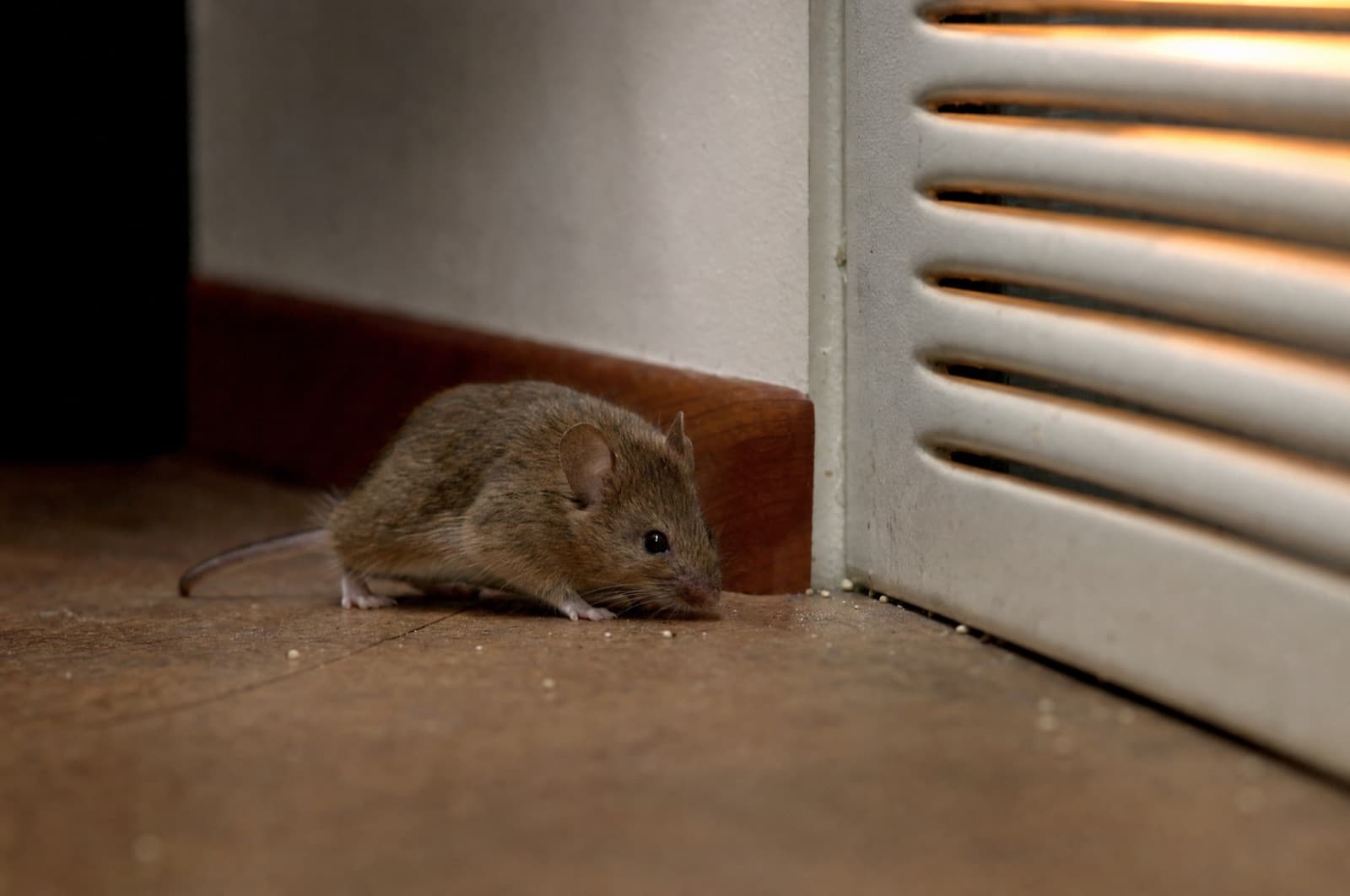
Furnace and boiler rooms are among the warmest, most sheltered spots in a New Hampshire home, and they draw heat-seeking pests: firebrats above all, thriving above 90°F near the equipment, plus warmth-seeking rodents nesting in adjacent voids, and occasional silverfish or camel crickets where moisture is also present.
Mostly nuisance. The one genuine safety escalation is a nest or debris blocking a flue or vent, which is real but rationed to that specific case.
At a glance
- The mechanism: Heat draws them in
- Who fixes it: A licensed pest pro
- The rest lives at: What role do HVAC systems have in winter pest prevention?
Furnace and boiler rooms are among the warmest, most sheltered spots in a New Hampshire home, and they draw heat-seeking pests: firebrats above all, thriving above 90°F near the equipment, plus warmth-seeking rodents nesting in adjacent voids, and occasional silverfish or camel crickets where moisture is also present.
Mostly nuisance. The one genuine safety escalation is a nest or debris blocking a flue or vent, which is real but rationed to that specific case.
Heat doesn't spawn pests — it changes what you notice
The season and the building set the stage before the thermostat ever comes on. Here's the honest chain of events, spelled out.
What's really happening
A furnace or boiler radiates continuous heat, so heat-loving firebrats colonize cracks and voids in the room while rodents nest nearby. In some cases nests or debris accumulate in or around flue, vent, or chimney pathways, and if a flue becomes obstructed, combustion gases including carbon monoxide can be forced back into the home instead of venting outside. The CDC advises having chimneys checked and cleaned annually because they can be blocked by debris, which can cause carbon monoxide to build up inside a home.
Source:CDC— "Carbon Monoxide Poisoning Basics" — chimneys blocked by debris cause CO buildup; recommends annual inspection
Is this an HVAC problem or a pest problem?
Who actually fixes it
A licensed pest pro
Identifying which pest is present and controlling it — firebrat and silverfish control is routine work distinct from rodent exclusion — is the core job for a pest professional.
Any sign of a blocked flue or vent, or rodent nesting in the venting path, turns up — that's an immediate HVAC technician or chimney-professional matter, and working carbon monoxide alarms should be confirmed as a baseline safety step regardless.
This hub owns the heating-system angle
General winter behavior, rodent control, and equipment-damage severity live in siblings that already earn them. Here's exactly where.
This page owns what infests furnace and boiler rooms and why. Broader overwintering and occasional-invader behavior belongs to our winter pests hub; equipment-damage and safety severity belong to our pest damage and risks hub.
How this calibrates for NH
With oil and gas heating dominant across New Hampshire and long burn seasons the norm, boiler and furnace rooms stay hot for months, creating ideal firebrat habitat, and annual pre-season flue and vent inspection is especially important given the state's heavy reliance on combustion heating through a long winter.
NH-licensed applicator #782664 (NHDAMF, RSA 430) · NEPMA member · family-owned since 2017.
Frequently asked
Sources(3)
- [1]University of Maryland Extension
"Silverfish and Firebrats" — firebrats near furnace in winter
- [2]University of Missouri Extension
"Silverfish and Firebrats" (G7376) — firebrat temperature optimum ~100°F; boiler rooms/hot water heaters
- [3]CDC
"Carbon Monoxide Poisoning Basics" — chimneys blocked by debris cause CO buildup, annual inspection
Written & reviewed by
VerifiedDaniel Brady
NH-Licensed Pesticide Applicator · License #782664 (NHDAMF, RSA 430)
Daniel Brady is the New Hampshire–licensed applicator behind Anchor Pest Services, a family-owned pest control company serving the Manchester area since 2017.
Anchor Pest Services
Worth a professional pest inspection?
We've protected Southern New Hampshire homes since 2017. Free inspection, same-day service — we tell you what's actually there before we treat anything.
- NH-licensed applicator
- Same-day service
- Pet & family-conscious
NH License #782664 · No obligation · We answer in person