
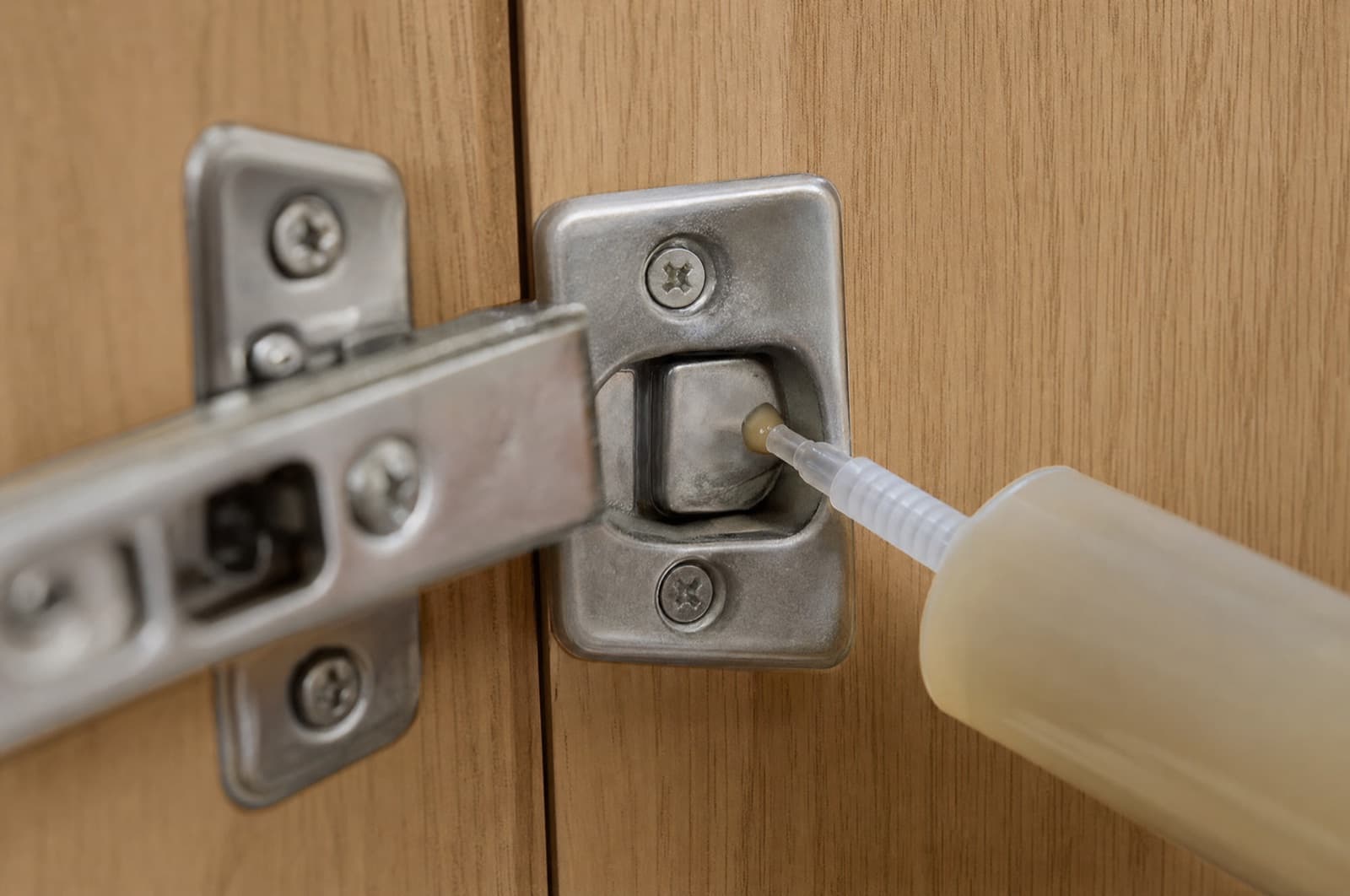
How to Use Advion Ant Gel Bait
At a glance
- Efficacy: Workhorse
- Best job: Delivering a delayed-kill dose into an ant colony through many small placements foragers carry home
- Format: Syringe/tube gel bait applied as small dots or short lines (EPA Reg. No. 100-1498)
- Technique: Moderate technique
Does this product actually work?
A genuine workhorse for sweet-feeding household ants — when placed as many small dots at harborage and never sprayed near.
Indoxacarb's delayed, non-repellent action is exactly what colony-transfer baiting needs — UC IPM endorses non-repellent, slow-acting baits as the go-to tool for most ant problems, and indoxacarb is bioactivated far more efficiently in insects than mammals, the basis of its selective toxicity. Applied as many small dots near active trails and harborage, left uncontaminated by nearby spraying, Advion Ant Gel reliably reaches the colony, not just the ants you can see. It stalls when placements are too few, too far from harborage, sprayed near, or when the colony currently prefers protein over the gel's sweet-leaning matrix.
Best for
Odorous house, pavement, little black, and other sweet-feeding NH nuisance ants along active trails and entry points.
Skip it for
A carpenter-ant structural infestation as a standalone fix (moisture and nest work are required), and ants currently in a grease-seeking phase.
What it is — and what it's really for
The label is the law. Here's the honest read on the format, the one job it does well, and the job people wrongly buy it for.
The technique walkthrough
Where DIY succeeds or fails is in the placement, patience, and the small pro moves the label never mentions. Follow the label; these are the technique details on top of it.
This gel earns its workhorse grade almost entirely on placement discipline — many small dots at harborage, and zero tolerance for spray contamination nearby.
Inspect and find the active trail before placing anything
Locate the trail or entry points ants are actively using — under sinks, along baseboards, in cracks and crevices, behind appliances — before placing a single dot.
Common mistakeGuessing at placement without confirming an active trail first, which scatters dots where ants rarely travel.Place many small dots, not a few large ones
Lay down dozens of small dots or short lines (roughly 1/8-inch wide, 2-inch long per label) close to trails and harborage rather than a handful of large deposits.
Pro moveMore placement points mean more foragers encounter bait, and small dots stay fresher (don't skin over) longer than one large bead.Common mistakeSqueezing one big blob onto a baseboard — it dries out faster and covers far less foraging territory than many small dots.Place at or very near harborage — never on open countertops or baseboards
Target cracks, hinges, under-sink cavities, cabinet corners, and behind appliances rather than the open floor or baseboard face.
CautionPlace out of reach of children and pets — cracks and cavities double as a safety placement, not just an effective one.Never spray a contact insecticide or repellent near the gel
Keep aerosol sprays, foggers, and harsh-scented cleaners away from placed dots entirely.
Common mistakeSpraying 'just to be safe' near the gel — this is the single most damaging and most common mistake in this cluster; repellent residue drives ants away from the exact bait they need to eat.Let foragers feed and leave — don't kill them on sight
Resist the instinct to squash or spray ants you see feeding at or near the dots.
Pro moveRun a quick sweet-vs-protein check by placing gel near a protein-based food source to read which the colony currently favors.Refresh dots that dry out or get contaminated
Check placements periodically and replace any dot that has crusted over, been walked through, or picked up dust.
Common mistakeLeaving a skinned-over dot in place for weeks — it stops working long before it looks 'used up.'
Do & don't
- Place dozens of small dots, not a few large ones
- Place at or near harborage — cracks, hinges, under sinks, cabinet corners
- Keep all sprays and strong cleaners away from placements
- Let foragers feed and return to the colony undisturbed
- Refresh dried or contaminated dots
- Don't spray any insecticide or repellent near the gel
- Don't smear one large blob instead of many small dots
- Don't place on hot, wet, or porous surfaces where the gel dries out fast
- Don't kill visible ants at the placement
- Don't expect results in 24 hours
Where it works vs. where it fails
No product fixes everything. This is the honest boundary — the situations it genuinely handles, and the ones it simply won't.
Where it works
- Ant activity is visible along an identifiable trail, not yet a dense multi-room infestation
- Harborage points (under sink, behind appliances, cabinet corners) can be found and accessed
- The colony is currently favoring the gel's sweet-leaning matrix
- You can tolerate a days-to-weeks timeline without switching to a spray
Where it fails
- Carpenter ants are nesting in structural wood — a nest the gel alone can't reach
- The colony is in a grease/protein-feeding phase and ignoring the gel
- Placements are sprayed, cleaned, or contaminated nearby
- Harborage is inaccessible — deep in a wall void or under a slab
- Too few dots are placed for the colony's size
Mistakes that waste the product
Spraying over or near placed dots
Repellent residue drives ants away from the exact spot the strategy needs them to visit — the #1 mistake in this cluster.
Too few placements
Foragers never encounter the bait if dots are sparse, so the colony goes undosed.
One large blob instead of many small dots
A single large bead dries out and skins over faster than many small dots and covers less foraging territory.
Placing on hot, wet, or porous surfaces
The gel dries out or soaks into porous material and stops attracting ants.
Killing visible ants at the bait
Every ant killed on sight instead of carried back to the nest is a missed transfer, undermining colony-level control.
What to expect — and when
This is a colony-transfer tool — judge it by trail decline over one to two weeks, not by tomorrow morning.
First few hours
Foragers discover and begin recruiting nestmates to fresh dots — activity at the placement may briefly increase.
Days 3-7
Noticeable decline in visible trail activity as the colony is dosed through feeding and contact.
1-2 weeks
Colony-level knockdown for most sweet-feeding household ant populations, assuming placements stayed uncontaminated.
When to stop DIY & call a pro
Advion gel does the colony-transfer job well, but a syringe can only reach the cracks and voids you can physically see and dot. When the nest sits deeper than that, watch for these signals that it's time to bring in a technician:
Large black ants indoors, especially in winter, or rustling sounds in walls
Those point to carpenter ants nesting in structural wood — UNH Extension calls them one of NH's most troublesome structural pests, needing professional inspection and treatment.
Winged swarmers appear indoors
Indoor swarmers usually mean an established nest inside the structure, not just foragers passing through.
Trails persist past about 2 weeks of correct, uncontaminated placement
Persistent activity despite correct technique signals a colony larger than a consumer gel program can clear.
Activity spans multiple rooms or an entire floor
An infestation at that scale exceeds what homeowner-scale syringe baiting is designed to handle.
When correctly placed gel still isn't closing out the trail, Anchor's licensed NH technicians identify the species and the nest and apply targeted, professional treatment. Free inspection, same-day service across southern and central New Hampshire.
Trail still active after two weeks of correct placement?
Is it safe for pets & kids?
The short version lives here; the full per-species verdict lives on this product's pet-safety page.
Advion Ant Gel carries the signal word CAUTION and is meant to be placed in small, concealed amounts specifically to keep it out of normal household traffic. The practical precaution is deliberate placement, not avoidance of the product.
Re-entry: Place dots only in cracks, crevices, and cavities out of reach of children and pets — never on open countertops or food-contact surfaces.
Placement timing in New Hampshire
NH's common nuisance ants — odorous house and pavement ants — trail indoors most actively as they warm up in spring and again seeking shelter in fall, which is the best window to place and monitor gel dots. Carpenter ants, the state's other major ant, are the one case this gel can't finish alone; if you spot large black ants or hear activity in a wall, that's a call-a-pro signal. Anchor Pest Services serves Manchester, Nashua, Concord, and the surrounding towns.
Service area
Southern New Hampshire
Anchor Pest Services · NH license #782664 · NEPMA member · family-owned since 2017.
Frequently asked
Sources & further reading(6)
- [1]EPA Registered Product Label — Advion Ant Gel Bait (EPA Reg. No. 100-1498)
Verified active (indoxacarb 0.05%), dot dimensions (~1/8 in wide, 2 in long), labeled ant species list
epa_labelverified 2026-07-14 - [2]Wing et al., 'Bioactivation and mode of action of the oxadiazine indoxacarb,' Crop Protection (2000)
Indoxacarb bioactivation to DCJW, a sodium-channel blocker; selective insect toxicity; delayed action suited to bait transfer
academicverified 2026-07-14 - [3]UC Statewide IPM Program — Ants (Home & Landscape)
Non-repellent, slow-acting baits recommended over sprays for most ant problems
extensionverified 2026-07-14 - [4]UNH Cooperative Extension — Carpenter Ants Fact Sheet
Carpenter ants as one of New Hampshire's most troublesome structural pests — a call-a-pro escalation
extensionverified 2026-07-14 - [5]NC State Extension — Tips for Effective Ant Baiting
Spraying or disturbing baited ants contaminates the bait and repels foragers
extensionverified 2026-07-14 - [6]Syngenta — Advion Ant Gel product label page
Placement directions and labeled target species (facts only, not the efficacy verdict)
manufacturerverified 2026-07-14
Written & reviewed by
VerifiedDaniel Brady
NH-Licensed Pesticide Applicator · License #782664 (NHDAMF, RSA 430)
Daniel Brady is the New Hampshire–licensed applicator behind Anchor Pest Services, a family-owned pest control company serving the Manchester area since 2017.
Last updated July 2026
Related products in this category
Same shelf, different jobs — the dot shows each product's honest efficacy verdict at a glance.
Professional Pest Control
When Correct Gel Placement Still Isn't Enough
A gel bait genuinely reaches a colony a spray can't — but a large infestation or a carpenter-ant nest in structural wood can outgrow what a consumer syringe is designed to handle. Anchor Pest Services treats the actual source with targeted, licensed methods across southern and central New Hampshire. Family-owned since 2017, NH license #782664.
- Targeted colony/nest treatment, not just more bait
- NH-licensed applicators (#782664)
- Free inspection — same-day service across southern NH
NH License #782664 · No obligation · We answer in person
Your next step
- Book a NH pro
Ant Pest Control
Book now - Book a NH pro
Pest Control Services
Licensed, family-owned pest control across southern NH.
Book now - What to do next
Is Advion Ant Gel Bait Safe for Pets?
Read the answer - What to do next
Is Advion Cockroach Gel Bait Safe for Pets?
Read the answer - Also relevant
Is Advion Ant Gel Bait Safe for Pets?
Read the answer - Also relevant
Chemical Ant Control: Why Bait Beats Spray
Read the answer