
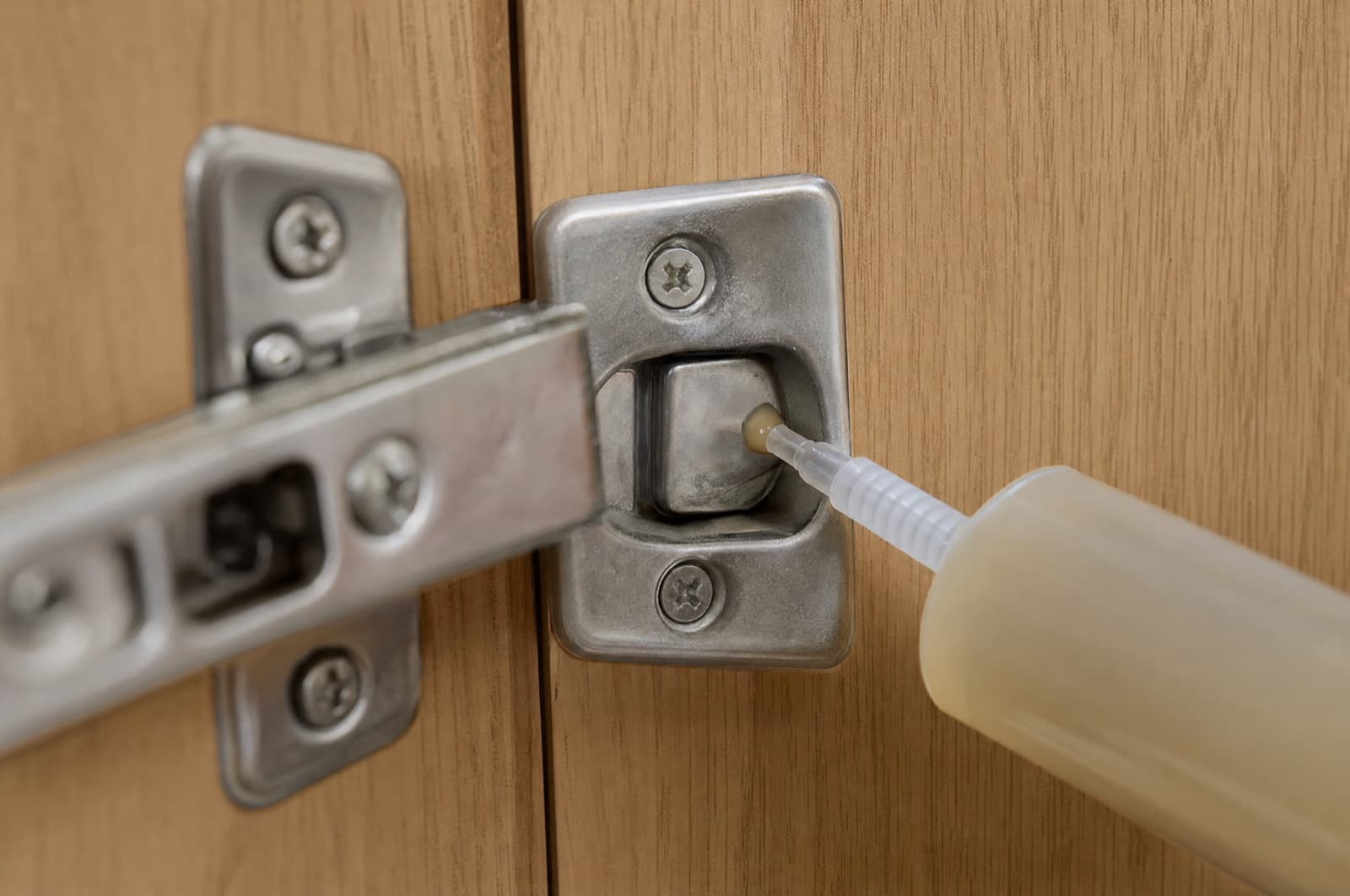
How to Use Max Roach Killing Gel by Combat
At a glance
- Efficacy: Workhorse
- Best job: Reaching roach harborage through colony-wide secondary kill, the same mechanism every syringe gel bait relies on
- Format: Syringe/tube gel bait applied as small placements at harborage (verify the exact EPA Reg. No. printed on your package — this product line has shipped under more than one registration)
- Technique: Finicky technique
Does this product actually work?
A workhorse for roaches placed at harborage — a well-established bait chemistry, but finicky to place right.
Fipronil is a well-established, potent bait toxicant that extension IPM guidance lists among the recommended actives for cockroach and ant baiting, and it produces genuine secondary kill as bait-fed roaches carry a dose back to harborage. Combat's own directions echo the format's core rule: numerous smaller placements control faster than a few large ones, especially for German cockroaches. It stalls for the same reasons any gel bait stalls — too few placements, nearby spraying or fogging, poor sanitation, and populations with sweet-bait aversion or an infestation that's already outgrown a few tubes of consumer gel.
Best for
German and large-roach infestations in cracks, crevices, and appliance voids where dots can be placed near confirmed harborage.
Skip it for
A large, established, building-wide German-roach infestation as a sole tool, glucose-averse roach populations, and food-contact surfaces.
What it is — and what it's really for
The label is the law. Here's the honest read on the format, the one job it does well, and the job people wrongly buy it for.
The technique walkthrough
Where DIY succeeds or fails is in the placement, patience, and the small pro moves the label never mentions. Follow the label; these are the technique details on top of it.
Fipronil gel earns its keep only when the dots land tight against harborage — inside hinges, under the stove lip, behind the fridge — in many small placements rather than a few visible smears where roaches never forage.
Inspect with a flashlight before placing anything
Look for fecal spotting, shed skins, and roach activity behind and under appliances, in cabinet corners, sink cavities, and hinges — that's where dots go, not the open floor.
Common mistakePlacing dots wherever is convenient instead of where an inspection actually found harborage or activity signs.Place many small dots touching corners and edges
Lay down numerous small placements spread across every accessible harborage point rather than a handful of large deposits.
Pro movePlace bait touching corners and walls where roaches travel edges rather than open floor space — roaches favor edges over open surfaces.Common mistakeSqueezing one big blob into an obvious spot — it dries out and skins over faster than many small dots and covers far less harborage.Keep gel off food-contact and hot surfaces
Never place dots on countertops, dishes, or food-prep surfaces, and avoid surfaces that get hot where bait can run.
CautionFipronil gel is harmful if absorbed through skin — wear gloves and wash hands after placing dots.Never spray or fog near the bait
Keep all aerosols, foggers, and harsh-scented cleaners away from placed dots entirely, echoing the label's own caution against contaminating bait stations with sprays.
Common mistakeFogging the room 'for good measure' — this contaminates the bait and undoes the entire strategy while looking, to the homeowner, like the gel failed.Improve sanitation around (not on) the placements
Clean up crumbs, grease, and standing food elsewhere so the gel competes better against real food, without disturbing the dots themselves.
Pro moveFix small moisture sources near harborage — roaches need water as much as food, and drying out easy sources helps the bait win.Reapply on a schedule and refresh depleted dots
Inspect placements roughly monthly and refresh the gel roughly every three months, or sooner if dots are consumed, dried, or contaminated.
Common mistakeLeaving a depleted or skinned-over dot in place for months, assuming the job is done, while the colony rebuilds.
Do & don't
- Inspect with a flashlight and place at confirmed harborage
- Use many small dots touching corners and edges, not a few large blobs
- Improve sanitation around the placements
- Keep gel off food-contact and hot surfaces
- Inspect roughly monthly and refresh roughly every three months
- Don't spray or fog near placements
- Don't smear one large blob instead of many small dots
- Don't place on countertops or food-prep surfaces
- Don't kill visible roaches at the bait
- Don't expect a heavy infestation to clear in days
Where it works vs. where it fails
No product fixes everything. This is the honest boundary — the situations it genuinely handles, and the ones it simply won't.
Where it works
- Roach activity is visible but not yet a dense, multi-room infestation
- Harborage points (behind/under appliances, cabinet corners, sink cavities) can be found and accessed
- Sanitation can be improved so competing food and grease don't outcompete the gel
- You can tolerate a days-to-weeks timeline without switching to a spray or fogger
Where it fails
- The infestation is already dense and building-wide (a real DIY ceiling, not a placement mistake)
- The local roach population has sweet-bait (glucose) aversion
- Placements are sprayed, fogged, or cleaned with strong cleaner nearby
- Harborage is inaccessible — deep in a wall void or under a slab
- Grease, food debris, or standing water give roaches an easier meal than the gel
Mistakes that waste the product
Spraying or fogging near placed dots
Combat's own label warns against contaminating bait with nearby sprays or foggers — repellent residue drives roaches away from the exact dot they need to eat.
One large blob instead of many small dots
Combat's own directions state numerous smaller placements control faster than a few large ones, especially for German cockroaches.
Placing on food-contact or hot surfaces
Grease and heat keep the gel from adhering or cause it to run, wasting the product and risking food contamination.
Poor sanitation nearby
Roaches will feed on crumbs, grease, and standing water in preference to bait if those are easier to reach.
Expecting a fast, total knockdown
Judging the gel on a same-day timeline and abandoning it for a spray misreads how the secondary-kill mechanism works.
What to expect — and when
This is a colony-and-harborage tool — judge it on declining roach counts over one to three weeks, not on tomorrow morning.
First hours to days
Roaches that feed directly on the gel begin dying; you may still see some activity as the rest of the harborage hasn't yet been dosed.
Days 3-14
Secondary transfer through feces and contact spreads the dose through the harborage population, and visible activity declines.
2-3 weeks
Meaningful population-level control for most household-scale infestations, assuming placements stayed uncontaminated and sanitation improved.
When to stop DIY & call a pro
Combat's gel drives good colony transfer, but a syringe reaches only the seams and voids you can find — a heavy German-roach population hides in far more of them than you can bait by hand. These are the honest signals the job has outgrown a syringe:
Roaches are still visible nightly after 2-3 weeks of correctly placed, uncontaminated gel
Persistent activity despite correct technique usually means the population is larger than a consumer gel program is designed to clear.
You see roaches during the day, not just at night
Daytime sightings typically signal a population that has outgrown its harborage — a sign of a heavier infestation than surface counts suggest.
Activity spans multiple rooms, floors, or units in a multi-family building
An infestation at that scale exceeds what homeowner-scale syringe baiting is designed to handle and often needs coordinated, professional treatment.
Bait acceptance appears to stall despite correct placement
That pattern is consistent with sweet-bait aversion, a documented resistance trait in some German-roach populations that a licensed technician can work around with a different active or format.
When correctly placed gel still isn't closing out an infestation, Anchor's licensed NH technicians identify the roach species, locate the harborage, and apply targeted, professional treatment matched to the population. Free inspection, same-day service across southern and central New Hampshire.
Roaches still active after three weeks of correct placement?
Is it safe for pets & kids?
The short version lives here; the full per-species verdict lives on this product's pet-safety page.
Combat's fipronil gel carries the signal word CAUTION and is harmful if absorbed through skin, so it's meant to be placed in small, concealed amounts specifically kept off food-contact surfaces and out of normal household traffic. The practical precaution is deliberate placement, not avoidance of the product.
Re-entry: Place dots only in cracks, crevices, and cavities out of reach of children and pets — never on countertops, dishes, or food-prep surfaces.
Cockroaches in New Hampshire homes
German cockroaches can't survive New Hampshire's cold away from a heated structure, so an indoor infestation here is almost always a year-round, heat-dependent population living in kitchens, bathrooms, and multi-family buildings — exactly the harborage-based, patient gel-bait approach this page teaches. Anchor Pest Services serves Manchester, Nashua, Concord, and the surrounding towns when an infestation outgrows what a syringe can finish.
Service area
Southern New Hampshire
Anchor Pest Services · NH license #782664 · NEPMA member · family-owned since 2017.
Frequently asked
Sources & further reading(5)
- [1]Combat / Henkel — Combat Max Roach Killing Gel product page
Placement directions ('numerous smaller placements will provide faster control than a fewer larger spots'), labeled species (facts only, not the efficacy verdict)
manufacturerverified 2026-07-14 - [2]EPA Registered Product Label — Combat Source Kill Max Roach Killing Gel (EPA Reg. No. 64240-45)
Verified active class (fipronil), gel-bait format, and caution against contaminating bait stations with sprays or foggers
epa_labelverified 2026-07-14 - [3]NPIC — Fipronil Technical Fact Sheet
Fipronil's mode of action (GABA-A chloride-channel blocker) and its higher binding affinity for insect than mammalian receptors
npicverified 2026-07-14 - [4]Penn State Extension — 'Got Ants? Eliminate Them With IPM'
Fipronil listed among extension-recommended bait actives; guidance to avoid sprays and foggers while baiting
extensionverified 2026-07-14 - [5]Wada-Katsumata & Schal, 'Glucose aversion: a behavioral resistance mechanism in the German cockroach,' Current Opinion in Insect Science (2024 review, citing 2021 Insects study)
Glucose (sweet-bait) aversion documented in a variable share of field German-cockroach populations — a real reason correctly placed sweet gel can plateau
academicverified 2026-07-14
Written & reviewed by
VerifiedDaniel Brady
NH-Licensed Pesticide Applicator · License #782664 (NHDAMF, RSA 430)
Daniel Brady is the New Hampshire–licensed applicator behind Anchor Pest Services, a family-owned pest control company serving the Manchester area since 2017.
Last updated July 2026
Related products in this category
Same shelf, different jobs — the dot shows each product's honest efficacy verdict at a glance.
Professional Pest Control
When Correct Gel Placement Still Isn't Enough
A gel bait genuinely reaches harborage a spray can't — but a heavy, building-wide infestation or a bait-averse population can outgrow what a consumer syringe is designed to handle. Anchor Pest Services treats the actual source with targeted, licensed methods across southern and central New Hampshire. Family-owned since 2017, NH license #782664.
- Targeted harborage treatment, not just more bait
- NH-licensed applicators (#782664)
- Free inspection — same-day service across southern NH
NH License #782664 · No obligation · We answer in person
Your next step
- Book a NH pro
Cockroach Control
Book now - Book a NH pro
Pest Control Services
Licensed, family-owned pest control across southern NH.
Book now - What to do next
Is Combat Max Roach Killing Gel Safe for Pets?
Read the answer - What to do next
Is Combat Max 12-Month Roach Killing Bait Safe for Pets?
Read the answer - What to do next
Is the Max Defense System for Roaches by Combat Safe for Pets?
Read the answer - Also relevant
Is Combat Max Roach Killing Gel Safe for Pets?
Read the answer