
Can Leaf Piles Attract Rats or Insects?
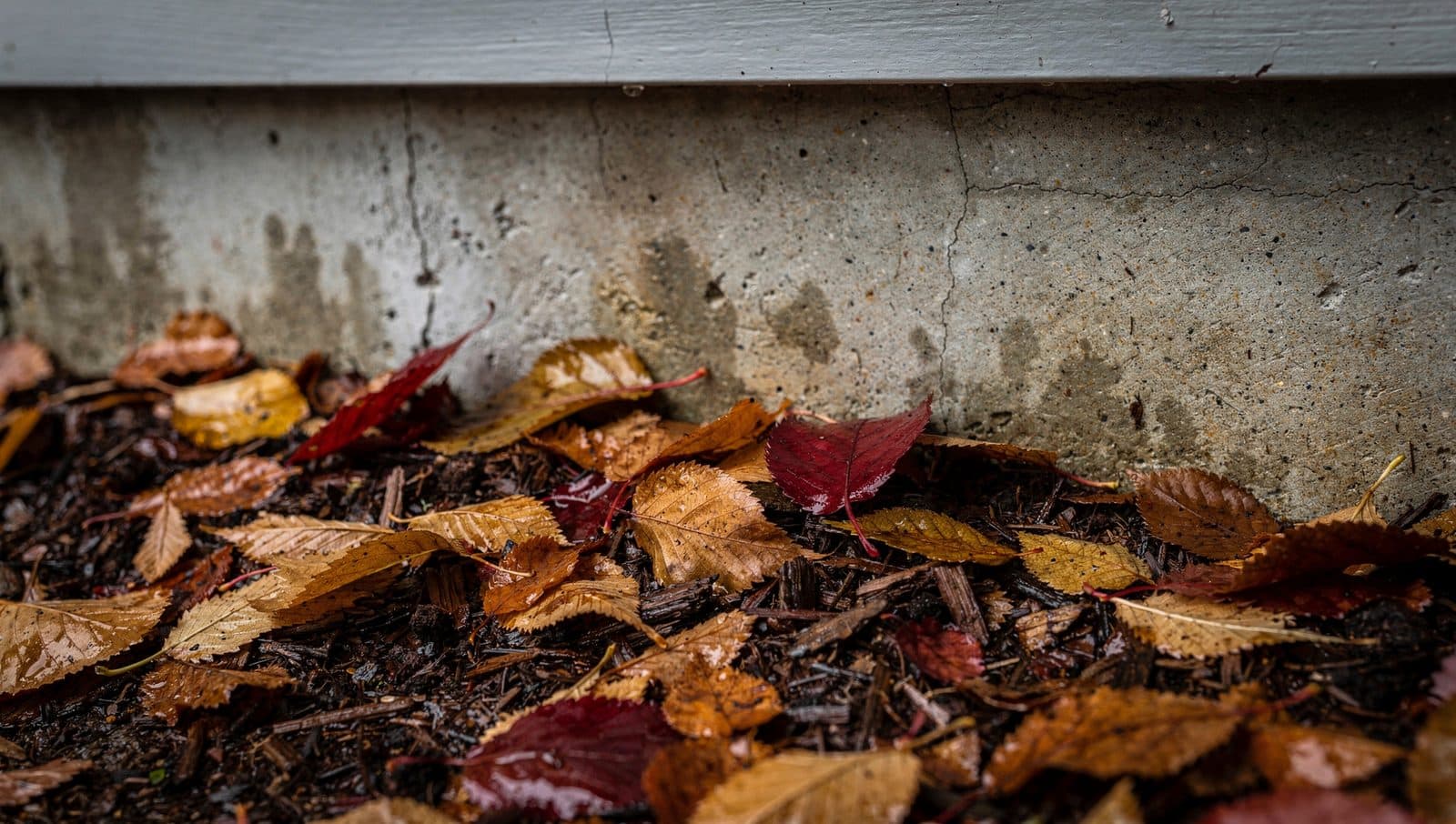
A deep leaf pile banked against your foundation, shed, or fence is genuine rodent and insect harborage; a modest pile in mid-yard is a much lower concern.
At a glance
- The verdict: Situational — location and depth decide it
- Who fixes it: You
- Category: Fallen Leaves, Yard & Structural Pest Risk
The short answer
Yes, but location and depth decide the risk. Deep, undisturbed leaf litter and mulch are consistently cited by extension programs as top nesting sites for rodents and habitat for ticks, ants, and moisture-loving invertebrates. The danger is highest when leaves bank against a foundation, shed, or fence line, where they offer both cover and a short path indoors. A modest, occasionally disturbed pile in mid-yard, well away from the house, is a much lower concern and is mostly an ecological resource, not a structural threat.
Is this a pest-harborage risk?
Pest-harborage risk
situationalDeep leaf litter and organic debris accumulating against a building's foundation, shed, or fence line
- Why it matters
- Leaves provide soft nesting material, insulated cover from predators and cold, and trapped moisture that supports the insects rodents feed on. Texas A&M's school IPM guidance is explicit that programs should 'not allow grass clippings or leaf litter to accumulate adjacent to school buildings' and should 'remove mulch from building foundations to reduce harborage.' The National Pesticide Information Center notes that 'mice usually stay within 30 feet of their nests,' and nests 'are constructed near food sources' — so litter piled near the house puts a nest near your walls.
- When it's low risk
- A shallow layer, a pile kept well away from the structure, and litter that's periodically raked or turned all sharply reduce the appeal to rodents and insects. Mid-yard leaves that aren't touching a building are primarily an ecological resource — food for decomposers and shelter for beneficial insects — not a structural threat.
- What to do
- Keep a vegetation- and debris-free band of bare soil against the foundation, move piles and firewood well away from walls, and rake litter back from foundations, fences, and shrub bases. If you already see droppings, gnaw marks, or runways along the foundation, that's genuinely Anchor's work — call for an exterior inspection and exclusion.
Who actually fixes this?
Start here
You
Keeping leaf litter off the foundation and periodically raking or turning any pile is routine yard maintenance most homeowners can handle themselves.
- Pest-control pro — You already see droppings, gnaw marks, runways, or an established rodent or ant presence along the foundation — that's when an inspection and exclusion plan is the right move.
The details, straight
Why proximity to the house is the real variable
The same pile of leaves poses very different risk depending on where it sits. A deep layer of litter touching a foundation, shed wall, or fence line gives rodents cover from predators, insulation from cold, and trapped moisture that supports the insects they eat — everything a nest needs, right next to your walls. That same volume of leaves sitting in the open middle of a yard, away from any structure, mostly just feeds decomposers and shelters beneficial insects like overwintering pollinators.
What actually reduces the risk
The fix isn't eliminating leaves from your property — it's controlling where they're allowed to sit. Extension IPM guidance consistently recommends a clear, debris-free band of bare soil directly against the foundation, moving compost and leaf piles well away from any wall, and periodically raking or turning litter near structures so it never sits undisturbed long enough to become an established nest site. Firewood stacked against the house compounds the same problem and should be moved as well.
Key takeaways
- Deep leaf litter against a foundation, shed, or fence is genuine rodent and insect harborage.
- A modest pile in mid-yard, away from structures, is a much lower concern.
- Mice typically stay within 30 feet of their nests, so litter near the house puts a nest near your walls.
- Keep a bare-soil band against the foundation and move piles and firewood away from it.
- Droppings, gnaw marks, or runways along the foundation mean it's time to call a pro.
Already seeing signs near your foundation?
Droppings, gnaw marks, or runways along a leaf-littered foundation are a job for an exterior inspection, not more raking.
Get a Free QuoteWhy leaf piles matter more before a New Hampshire winter
Southern and central New Hampshire's heavy October–November leaf drop, followed by months of snow cover, gives leaf litter banked against a foundation a long, undisturbed stretch to become rodent harborage right as mice and voles look for a warm place to overwinter. UNH Cooperative Extension's guidance on rodent-proofing echoes the national extension consensus this page cites: keep a debris-free band against the foundation and move piles well away from walls. A modest pile in the middle of the yard is a much lower concern — the risk climbs when leaves sit deep and dry slowly against the house. If you already see droppings, gnaw marks, or runways along the foundation, that exterior structural work is genuinely ours.
NH-licensed applicator #782664 (NHDAMF, RSA 430) · NEPMA member · family-owned since 2017.
Related questions
Sources(3)
- [1]Texas A&M School IPM — Action Plan for Rodents
Guidance against allowing leaf litter and mulch to accumulate against building foundations
extensionverified 2026-07-14 - [2]National Pesticide Information Center — Mice
Mice typically nest within 30 feet of a reliable food source
npicverified 2026-07-14 - [3]UGA College of Agricultural & Environmental Sciences — Insect and Arthropod Pests of Southeastern Neighborhoods
Leaf litter and organic debris as habitat for ticks, ants, and moisture-loving invertebrates
extensionverified 2026-07-14
Written & reviewed by
VerifiedDaniel Brady
NH-Licensed Pesticide Applicator · License #782664 (NHDAMF, RSA 430)
Daniel Brady is the New Hampshire–licensed applicator behind Anchor Pest Services, a family-owned pest control company serving the Manchester area since 2017.
Last updated 2026-07-14
Your next question
Honest pest help for New Hampshire homes
This Is Anchor's Genuine Lane — Foundation Harborage
Keeping a bare-soil band clear and moving piles away from the house handles most of the risk yourself. Where Anchor Pest Services genuinely helps is once leaf litter against your foundation has become active rodent, ant, or tick harborage. Family-owned since 2017, NH license #782664, serving Manchester, Nashua, Concord and nearby towns.
- Calibrated advice — mid-yard piles are low risk, not a sales pitch
- Fully NH-licensed under #782664, with same-day scheduling and free quotes
- Covering Manchester and the surrounding southern and central New Hampshire towns
NH License #782664 · No obligation · We answer in person
Your next step
- Book a NH pro
Pest Control Services
Licensed, family-owned pest control across southern NH.
Book now - Next step
How Long Do Rats Survive Indoors?
Read the answer - Related guide
Do Piles of Tree Leaves Attract Termites?
Read the answer - Related guide
Can Leaf Pests Spread to My Home?
Read the answer - Related guide
Can Pests From Leaves Infest Furniture or Walls?
Read the answer - Related guide
Do Fallen Leaves Attract Pests?
Read the answer