
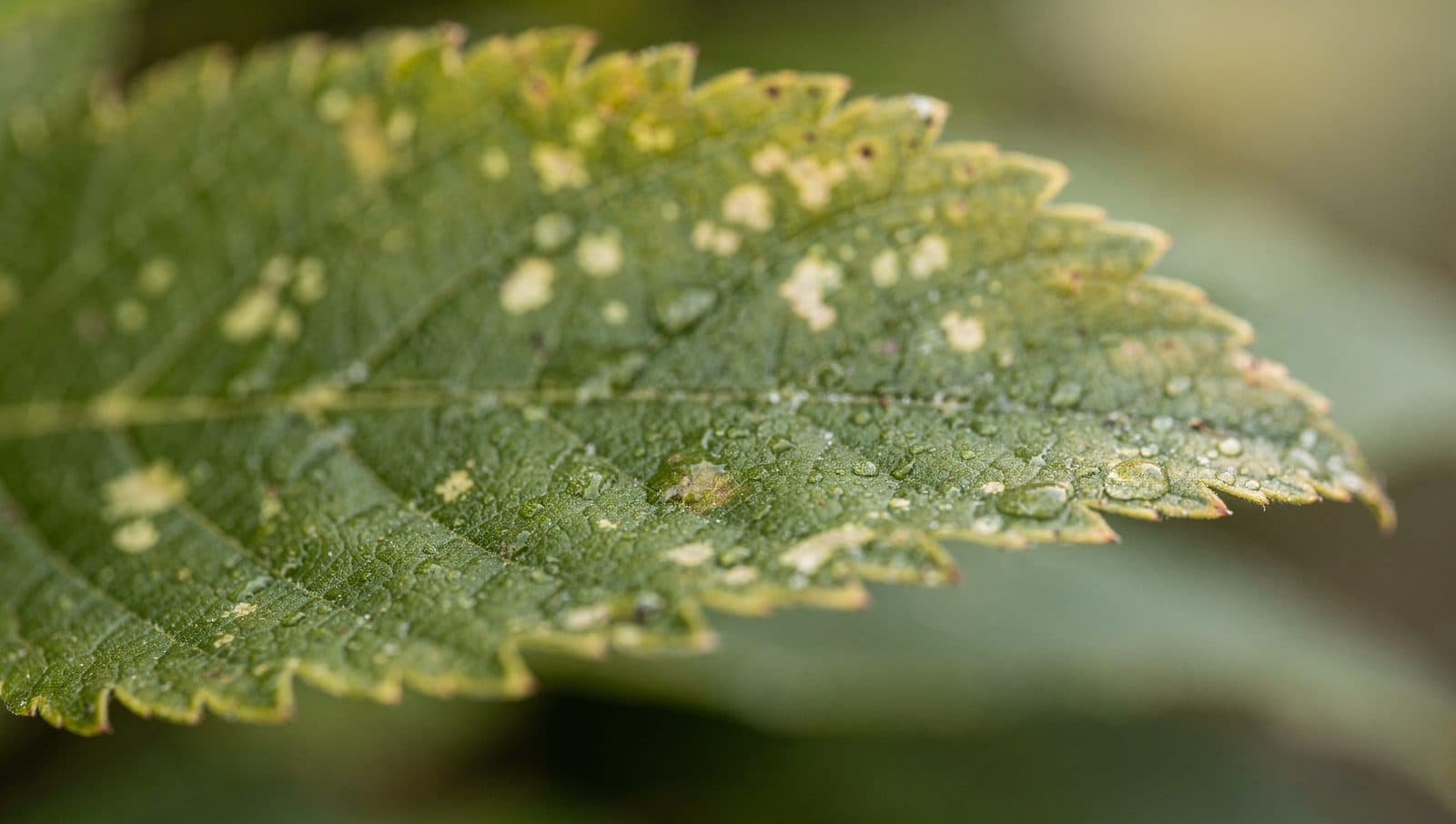
Why Do Leaves Turn Black After Watering?
Blackening after watering is almost always overwatering and root rot from saturated soil, not a bug and rarely a leaf disease on its own.
At a glance
- The verdict: Usually cultural — overwatering
- Who fixes it: You
- Category: Leaf-Symptom Diagnosis (pest vs disease vs care)
The short answer
In most cases, leaves that turn black after watering are reacting to too much water, not a pest or a leaf disease. Saturated, poorly-drained soil suffocates roots, and roots that can't breathe start to rot, cutting off the water and nutrients leaves need, which shows up as blackened, mushy tissue. Cold tap water or leaving foliage sitting wet can also blacken tender leaves directly. If the blackening comes with soggy soil, mushy stems, or a foul smell at the base, suspect root or crown rot rather than an insect or a fungus attacking the leaf itself. The fix starts at the roots: check drainage and moisture before reaching for any spray.
Pest, disease, or how you're caring for it?
Most leaf problems aren't pests at all. Here's the honest split — the most likely cause, the less likely ones, and how to tell them apart before you treat anything.
- Care / environmentMost likelythe usual cause
Soft, dark blackening that follows a heavy watering, often paired with soggy potting mix, mushy stems, or leaves that droop despite wet soil.
Overwatering or poor drainage suffocating rootsCold tap water shocking tender foliageWater sitting on leaves in low light or poor airflowThe tell:Soil stays soggy long after watering and the blackening tracks with your watering habits, not with a spreading disease pattern across the plant.
- Diseasea less common cause
Blackened, mushy roots and crown tissue with a foul, rotten smell, often paired with leaves that wilt even though the soil is wet.
Pythium root rotPhytophthora root or crown rotBacterial soft rotThe tell:Unpot the plant. Roots that are brown, mushy, and smelly rather than firm and light-colored point to a rot pathogen that moved in after the soil stayed saturated.
- Pesta rare cause
Rare for this specific symptom. Heavy root-feeding by insects can weaken a plant until it looks similarly stressed and discolored.
Fungus gnat larvae building up in very wet, organic-rich potting mixThe tell:You'd need to actually find larvae or adults in the soil, and the underlying cause is still the overly wet conditions that let them build up.
Gently unpot the plant and look at the roots. Firm, light-colored roots in soggy mix point to a straightforward overwatering and drainage problem you can correct right away. Brown, mushy, foul-smelling roots mean rot has already set in, which is a disease process triggered by that wet soil, not a bug and not a leaf-only fungus.
Overwatering and root rot are two stages of the same problem: poor drainage creates the wet conditions that let rot organisms take hold, so the cultural and disease buckets usually overlap in the same pot rather than acting alone.
Who actually fixes this?
Start here
You
This is a watering and drainage habit, not an infestation or a leaf infection you can spray away. Adjusting how and how often you water, and improving pot or soil drainage, is the direct fix.
- Garden center — You need a faster-draining potting mix or a pot with better drainage holes.
- UNH Extension — You suspect root or crown rot has already set in, or the plant keeps declining after you've corrected the watering.
The details, straight
Why water, not a bug, is usually the cause
Blackened leaves right after watering point to the roots, not the foliage. When soil stays saturated because of poor drainage, heavy pots, or watering on a fixed schedule instead of by feel, roots lose access to oxygen and begin to suffocate. A plant that can't move water and nutrients up through struggling roots shows it in the leaves first, often as a dark, sometimes mushy blackening rather than a slow yellow fade. Extension guidance on houseplant environmental problems consistently ranks watering error, both too much and too little, as the leading cause of sudden foliage symptoms indoors, well ahead of pests or infection.
When it has crossed into root rot
If the blackening keeps getting worse after you've corrected the watering, or if you notice a sour, rotten smell near the base of the plant, the problem has likely moved past simple overwatering into an active root or crown rot. Pathogens like Pythium and Phytophthora thrive in waterlogged, poorly aerated soil and attack roots that are already stressed, turning them brown, soft, and foul-smelling. At that point the plant can wilt or blacken even in wet soil, because the damaged roots simply can't take up water anymore, which confuses a lot of owners into watering even more.
What to do about it
Unpot the plant and inspect the roots before doing anything else. If the medium is soggy but the roots are still firm and light-colored, let the soil dry out closer to the point of wilting between waterings, improve drainage with a chunkier mix or a pot with real drainage holes, and avoid letting water sit in a saucer. If the roots are brown, mushy, or smelly, trim away the dead tissue with clean tools, repot into fresh, well-draining medium, and cut back watering significantly while the plant recovers. If it doesn't stabilize, or you want confirmation of what pathogen is involved, that's a job for a plant diagnostic service, not a pesticide.
Key takeaways
- Blackening after watering is usually a watering and drainage problem, not a pest or a leaf-only disease.
- Roots that stay wet too long suffocate, and suffocated roots can tip over into rot.
- Unpot and check the roots: firm and light-colored means fix the drainage; brown, mushy, and foul means rot has set in.
- The direct fix is your own watering habits and soil drainage, not a spray.
- Persistent decline after correcting watering is worth a plant diagnostic check, not a pesticide application.
Not sure if it's watering or rot?
Unpotting and checking the roots is the single best diagnostic step for blackened leaves. Learn the differences between pest, disease, and cultural leaf problems before you act.
See the full pest-vs-disease-vs-care triageA note for New Hampshire growers
Overwatering complaints climb every fall and winter in NH as growth slows, light drops, and pots that dried out fast in summer suddenly stay wet for a week or more on the same schedule. If a houseplant or garden start is blackening after watering going into the shorter days around the first frost window (roughly October 19 to 29 in Manchester, per NOAA-based climate normals), it's worth cutting back frequency before assuming disease. UNH Cooperative Extension's Ask UNH Extension Infoline (1-877-EXT-GROW) is a free resource if the roots look like rot has set in and you want it confirmed.
NH-licensed applicator #782664 (NHDAMF, RSA 430) · NEPMA member · family-owned since 2017.
Related questions
Sources(3)
- [1]Iowa State University Extension and Outreach — Diagnosing Houseplant Problems from Improper Environmental Conditions
Watering error (over- and under-watering) as the leading cause of sudden houseplant foliage symptoms
extensionverified 2026-07-14 - [2]UC Master Gardeners of San Luis Obispo County — Yellow Citrus Leaves
Overwatering and poor drainage impairing root function and nutrient/water uptake
extensionverified 2026-07-14 - [3]UNH Cooperative Extension — Plant Diagnostic Lab
NH diagnostic routing for suspected root or crown rot (verify current lab status before publishing routing instructions)
extensionverified 2026-07-14
Written & reviewed by
VerifiedDaniel Brady
NH-Licensed Pesticide Applicator · License #782664 (NHDAMF, RSA 430)
Daniel Brady is the New Hampshire–licensed applicator behind Anchor Pest Services, a family-owned pest control company serving the Manchester area since 2017.
Last updated 2026-07-14
Your next question
Honest pest help for New Hampshire homes
This One's Plant Care — But Your Home Is Our Job
Blackened leaves after watering are a root and drainage issue, and we'll always say so rather than oversell a treatment you don't need. Where Anchor Pest Services genuinely helps is the pests around your home: rodents, ants, ticks, and moisture pests drawn to leaf litter and debris against the foundation. Family-owned since 2017, NH license #782664, serving Manchester, Nashua, Concord and nearby towns.
- We read blackening as watering or root trouble, not a pest
- New Hampshire applicators' license #782664 — no-cost quote, quick response
- Around-the-home pest control for southern and central New Hampshire
NH License #782664 · No obligation · We answer in person
Your next step
- Related guide
Why Are the Leaves on My Plants Turning Yellow?
Read the answer - Related guide
Why Do Tomato Plant Leaves Turn Yellow?
Read the answer - Related guide
Are Yellowing Leaves Always a Disease?
Read the answer - Related guide
Why Are There Black Dots or Mold on My Leaves?
Read the answer - Related guide
Can Overwatering Make Leaves Unhealthy?
Read the answer - Related guide
Why Are My Orchid Leaves Soft and Wrinkled?
Read the answer