
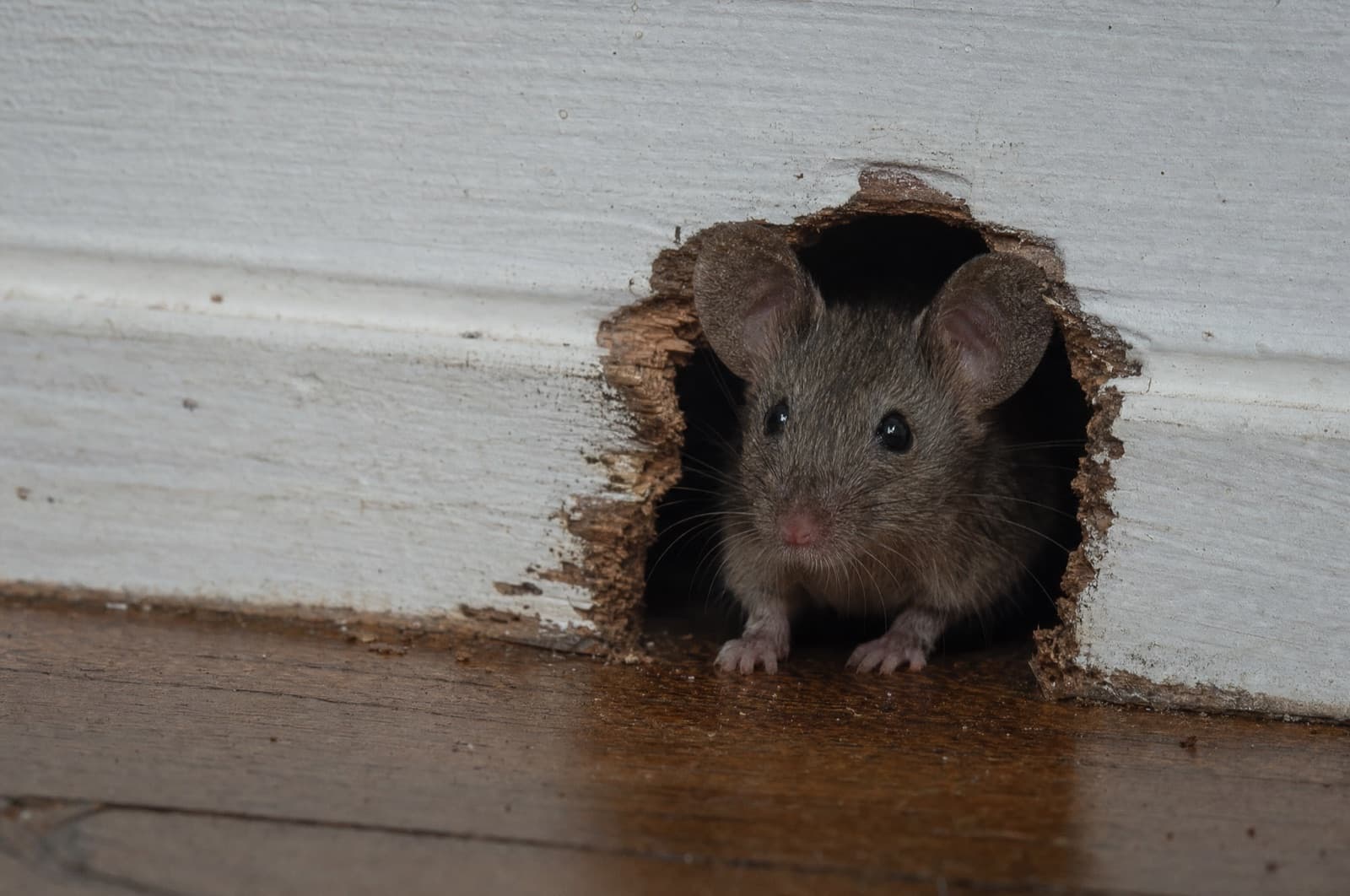
Are Mouse Droppings Dangerous to Touch?
At a Glance
- Short answer: The bigger risk is inhaling disturbed dust, not touch — but gloves and hand-washing are still the standard.
- Key fact: CDC: hantavirus is "mainly spread to people from rodents when they breathe in contaminated air."
- NH relevance: Deer mice are New Hampshire's hantavirus reservoir, so the same caution applies to attics, sheds, camps, and cabins statewide.
- Action needed: Wear gloves before any contact, wet-clean rather than dry-wipe, and wash hands thoroughly afterward.
The short of it
The honest, CDC-sourced nuance: hantavirus is mainly spread when people breathe in contaminated air after droppings, urine, or nesting material get disturbed and airborne — not from a gloved hand simply touching a dropping. But that doesn't make bare-handed contact safe. The virus can also enter through cuts, eyes, nose, or mouth, and salmonella spreads by touching droppings or contaminated surfaces and then transferring bacteria hand-to-mouth. Because you can't tell by looking whether droppings are contaminated, CDC's standard is gloves for handling and thorough hand-washing afterward — every time, not just for large infestations.
Are Mouse Droppings Dangerous to Touch — By the Numbers
1:9
CDC bleach-to-water dilution for wetting droppings before wiping (1.5 cups per gallon)
5 min
Recommended disinfectant soak time before wiping up
2
CDC steps that bracket every contact: gloves on before, hand-washing with soap after
Diseases rodents can carry
Two pathogens explain why the honest answer to this question is nuanced rather than a flat yes or no.
Hantavirus (HPS)
High riskHantavirus (deer mouse reservoir in NH)
Mainly inhaling aerosolized particles from disturbed dry droppings, urine, or nesting material; can also enter through cuts, eyes, nose, or mouth
Source: CDC
Salmonellosis
Moderate riskSalmonella bacteria
Touching droppings or contaminated surfaces, then hand-to-mouth transfer
Source: CDC
Bottom line — Inhalation of disturbed dust is the more serious hantavirus risk; touch-then-ingest is how salmonella spreads. Gloves plus hand-washing address both, which is why CDC's protocol never varies by how the exposure happened.
The full picture
The primary hantavirus risk is inhalation, not touch
CDC states hantavirus is "mainly spread to people from rodents when they breathe in contaminated air" — that is, when dried urine, droppings, or nesting material gets stirred up and inhaled. The virus can also spread when saliva, urine, or feces from an infected rodent gets into cuts in the skin, or into the eyes, nose, or mouth. So touching a dropping with a gloved hand is a lower-risk route than inhaling disturbed dust, but lower risk is not no risk.
Why gloves and hand-washing remain the standard regardless
Salmonella changes the calculus: CDC notes people get it by touching animals, animal droppings, or the places animals live, then transferring bacteria hand-to-mouth. That's an ingestion route, not an inhalation one, and it's exactly why CDC's cleanup protocol always begins with gloves and always ends with washing hands with soap and warm water — regardless of which pathogen is present. Because you cannot tell by looking whether a rodent or its droppings carry disease, CDC advises treating all rodent waste as potentially infectious.
What this means practically
Don't pick up droppings bare-handed, and don't touch your face during cleanup. Wear gloves, wet the material with a disinfectant or fresh 1:9 bleach solution rather than dry-wiping, let it soak about 5 minutes, wipe with paper towels, and wash your hands thoroughly afterward. If you disturbed droppings before reading this — swept or vacuumed them, for instance — go back and wet-clean the area rather than continuing dry.
Bottom line — Touch alone carries lower hantavirus risk than inhaling disturbed dust, but salmonella and other germs can still spread hand-to-mouth from contact. Gloves and hand-washing are the correct standard every time, not just for large infestations — and dry droppings should never be swept or vacuumed.
Seeing droppings regularly?
Repeated droppings usually mean an active mouse population, not a one-time visitor. Anchor's licensed NH technicians find the source and remove it.
Why this matters in New Hampshire
Deer mice are New Hampshire's hantavirus reservoir species, which is why this caution applies in attics, sheds, camps, and cabins statewide, not just to visibly heavy infestations. NH DHHS reports no confirmed hantavirus case acquired in New Hampshire to date — a reflection of how effective the standard glove-and-wet-clean precautions are when followed consistently.
Key local data
NH DHHS: no confirmed hantavirus case acquired in New Hampshire to date; deer mice are the regional reservoir.
- NH-licensed applicator · #782664
- Same-day service
- Family-owned since 2017
Service Area Map
Southern New Hampshire
Frequently asked
Sources (5)
- [1]
- [2]
- [3]
- [4]CDC — About Hantavirus(2024)
- [5]NH DHHS — Hantavirus(2024)
Written & reviewed by
VerifiedDaniel Brady
NH-Licensed Pesticide Applicator · License #782664 (NHDAMF, RSA 430)
Daniel Brady is the New Hampshire–licensed applicator behind Anchor Pest Services, a family-owned pest control company serving the Manchester area since 2017.
Professional Rodent Control
Droppings Keep Coming Back? That's an Infestation, Not an Incident.
Careful cleanup protects your health today, but it won't stop mice from returning. Anchor Pest Services locates entry points and active nests so the droppings stop for good. Family-owned since 2017, NH license #782664.
- Same-day service across southern NH
- NH-licensed applicators (#782664)
- Free inspection — no flat-price guesswork
NH License #782664 · No obligation · We answer in person
Your next step
- Book a NH pro
Rodent Control
Book now - Next step
How can I protect my attic from mice and rats during winter?
Read the answer - Related guide
What Cleaning Products Kill Rodent Bacteria and Viruses?
Read the answer - Related guide
Can Vacuuming Spread Mouse Droppings?
Read the answer - Related guide
What Health Risks Do Mice Pose to Humans?
Read the answer - Related guide
How Do I Clean Up After Mice Safely?
Read the answer