
What Health Risks Do Mice Pose to Humans?
At a Glance
- Short answer: Hantavirus, salmonellosis, LCMV, and allergen/asthma triggers — all CDC-documented, mostly prevented by wet-cleaning and gloves.
- Key fact: CDC: "the most common hantavirus that causes HPS in the United States is spread by the deer mouse."
- NH relevance: Deer mice are New Hampshire's hantavirus reservoir; NH DHHS reports no confirmed case acquired in the state to date.
- Action needed: Wet-clean droppings with gloves, never dry-sweep or vacuum, wash hands, and see a doctor for fever or breathing symptoms after exposure.
The short of it
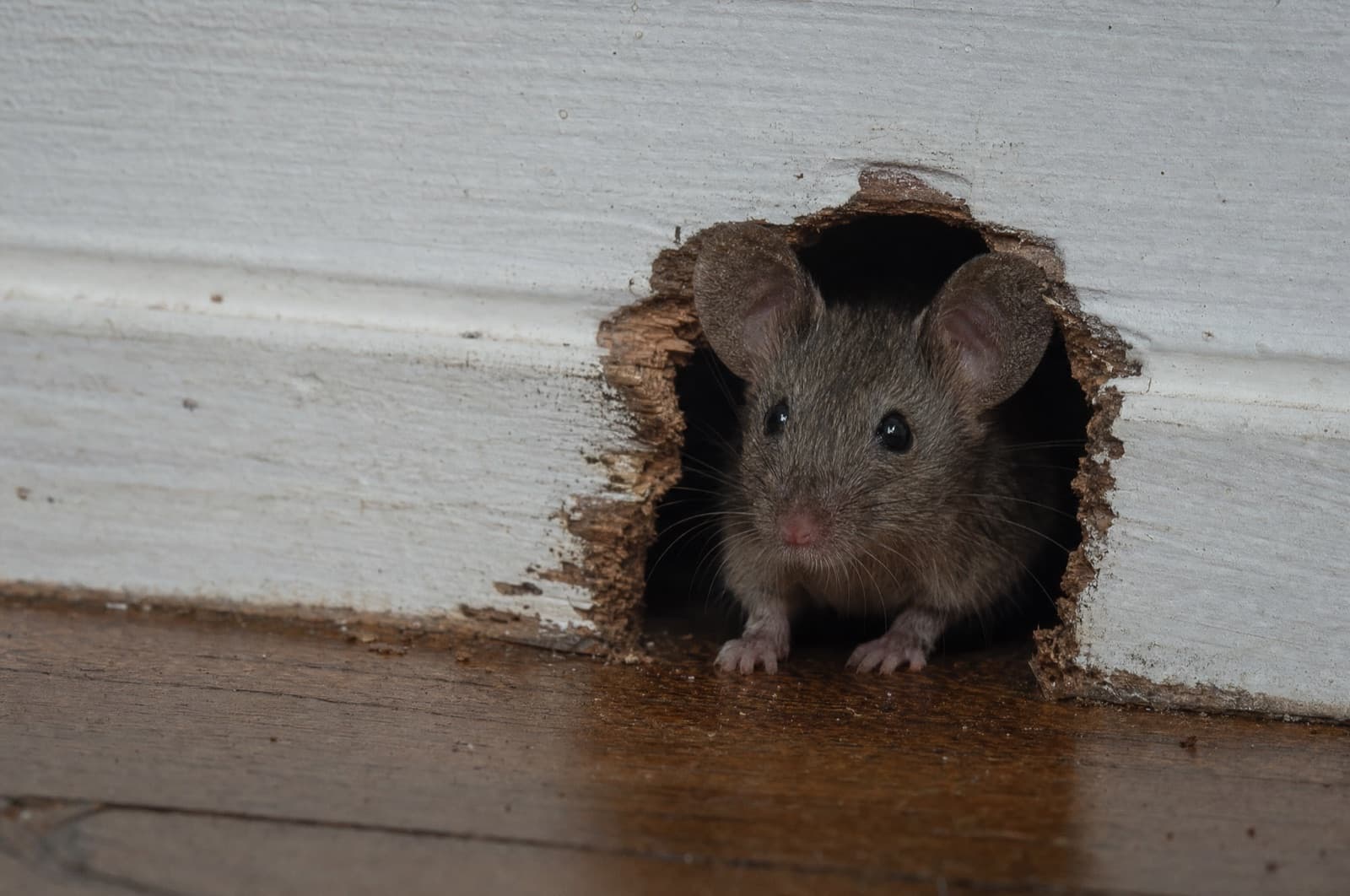
Mice can expose people to several documented health risks: hantavirus (the deer mouse is the primary U.S. reservoir), salmonellosis, lymphocytic choriomeningitis virus (LCMV, carried by the common house mouse), and allergens from droppings and dander that trigger asthma and allergic reactions. Most of these risks are addressable with the same standard precautions — gloves, wet-cleaning instead of dry-sweeping, and thorough hand-washing. Hantavirus is the most severe of these but is rare, and NH DHHS reports no confirmed case acquired in New Hampshire to date.
What Health Risks Do Mice Pose to Humans — By the Numbers
4
Documented mouse-associated health risks: hantavirus, salmonellosis, LCMV, allergens
0
Confirmed NH-acquired hantavirus cases to date (NH DHHS)
~30/yr
Average U.S. hantavirus cases identified annually (NH DHHS/CDC)
Diseases rodents can carry
Four documented risks make up the core of what mice can expose people to. Severity varies widely — treat all as reasons for standard precautions, not panic.
Hantavirus (HPS)
Extreme riskHantavirus (deer mouse is the primary U.S. reservoir)
Mainly inhaling aerosolized urine, droppings, or saliva from disturbed material
Source: CDC
Salmonellosis
Moderate riskSalmonella bacteria
Ingesting contaminated droppings, surfaces, or food via hand-to-mouth contact
Source: CDC
Lymphocytic choriomeningitis (LCMV)
Moderate riskLCMV virus, carried by the common house mouse
Contact with rodent urine, droppings, saliva, or nesting material
Source: CDC
Allergens / asthma triggers
Low riskMouse allergen proteins in droppings, urine, and dander
Airborne exposure in infested indoor spaces
Source: Peer-reviewed (NCICAS, 2000)
Bottom line — Hantavirus is the most severe but rarest of these risks; allergens are the most common but least severe. All four are reduced by the same core habits: gloves, wet-cleaning instead of dry-sweeping or vacuuming, and hand-washing.
The full picture
Hantavirus (HPS) — rare but the most severe
CDC states the deer mouse is the primary U.S. reservoir for the hantavirus strain that causes hantavirus pulmonary syndrome (HPS), and infection is chiefly by breathing in aerosolized urine, droppings, or saliva. HPS is uncommon but serious — CDC notes that a substantial share of people who develop respiratory symptoms from HPS do not survive. This is precisely why the cluster's core rule exists: never dry-sweep or vacuum droppings, since disturbing them is what releases the particles that carry the virus into the air.
Salmonellosis and LCMV
Salmonellosis is a bacterial infection people get by ingesting germs from droppings, contaminated surfaces, or food; CDC lists watery diarrhea, stomach cramps, and sometimes headache, nausea, or vomiting, typically starting within about six hours to six days of exposure and lasting roughly four to seven days. Lymphocytic choriomeningitis virus (LCMV) is carried by the common house mouse; most healthy people recover without lasting effects, but CDC notes it can cause serious illness in people with weakened immune systems and in pregnant women, which is why CDC advises pregnant people avoid handling pet rodents.
Allergens and asthma
Mouse droppings, urine, and dander are documented asthma and allergy triggers, particularly for children. This claim is grounded in peer-reviewed research rather than a dedicated CDC page: a National Cooperative Inner-City Asthma Study found mouse allergen detectable in the large majority of homes studied, with a meaningful share of children showing mouse sensitization associated with more severe asthma symptoms. This is presented as research context, not CDC guidance.
Bottom line — Mice can transmit hantavirus, salmonellosis, and LCMV, and their droppings and dander are documented allergy/asthma triggers. All four risks are reduced by the same habits: gloves, wet-cleaning rather than dry-sweeping or vacuuming, and thorough hand-washing. See a doctor for fever, breathing difficulty, or persistent illness after rodent exposure — never self-diagnose.
Concerned about mice in your home?
For active infestations, not medical concerns — Anchor's licensed NH technicians find entry points and remove the source of the risk.
Why this matters in New Hampshire
Deer mice are New Hampshire's hantavirus reservoir species. NH DHHS states there has been no confirmed hantavirus pulmonary syndrome case acquired in New Hampshire to date, and notes the United States identifies roughly 30 hantavirus cases per year nationally, the large majority west of the Mississippi River. That makes hantavirus a genuine but low-probability risk in NH — one worth the standard precautions, not alarm.
Key local data
NH DHHS: no confirmed hantavirus case acquired in New Hampshire to date; ~30 U.S. cases identified per year on average.
- NH-licensed applicator · #782664
- Same-day service
- Family-owned since 2017
Service Area Map
Southern New Hampshire
Frequently asked
Sources (7)
- [1]CDC — About Hantavirus(2024)
- [2]
- [3]
- [4]
- [5]
- [6]NH DHHS — Hantavirus(2024)
- [7]
Written & reviewed by
VerifiedDaniel Brady
NH-Licensed Pesticide Applicator · License #782664 (NHDAMF, RSA 430)
Daniel Brady is the New Hampshire–licensed applicator behind Anchor Pest Services, a family-owned pest control company serving the Manchester area since 2017.
Professional Rodent Control
Reduce the Risk at the Source
Careful cleanup manages the health risk day to day, but removing the mice is what stops it recurring. Anchor Pest Services finds and seals entry points and traps the mice already inside. Family-owned since 2017, NH license #782664.
- Same-day service across southern NH
- NH-licensed applicators (#782664)
- Free inspection — no flat-price guesswork
NH License #782664 · No obligation · We answer in person
Your next step
- Book a NH pro
Rodent Control
Book now - Next step
When Are Rats Most Active? NH Rat Timing Guide
Read the answer - Related guide
Are Mouse Droppings Dangerous to Touch?
Read the answer - Related guide
What Cleaning Products Kill Rodent Bacteria and Viruses?
Read the answer - Related guide
How Do I Clean Up After Mice Safely?
Read the answer - Related guide
What Is the Safest Way to Dispose of a Dead Mouse?
Read the answer