
Can mice survive winter in a house?

Need help fast? Anchor Pest offers same-day NH service — or read our expert guide below.

24 Hours

Average response time

100%

Satisfaction guarantee

Call now for same-day, eco-friendly pest control

With over 20 years of experience, Anchor Pest offers personalized, chemical-safe yearly subscriptions, protecting homes and businesses across Manchester and surrounding counties with ongoing peace of mind.

(603) 785-0118

Contact Us

Can mice survive winter in a house?

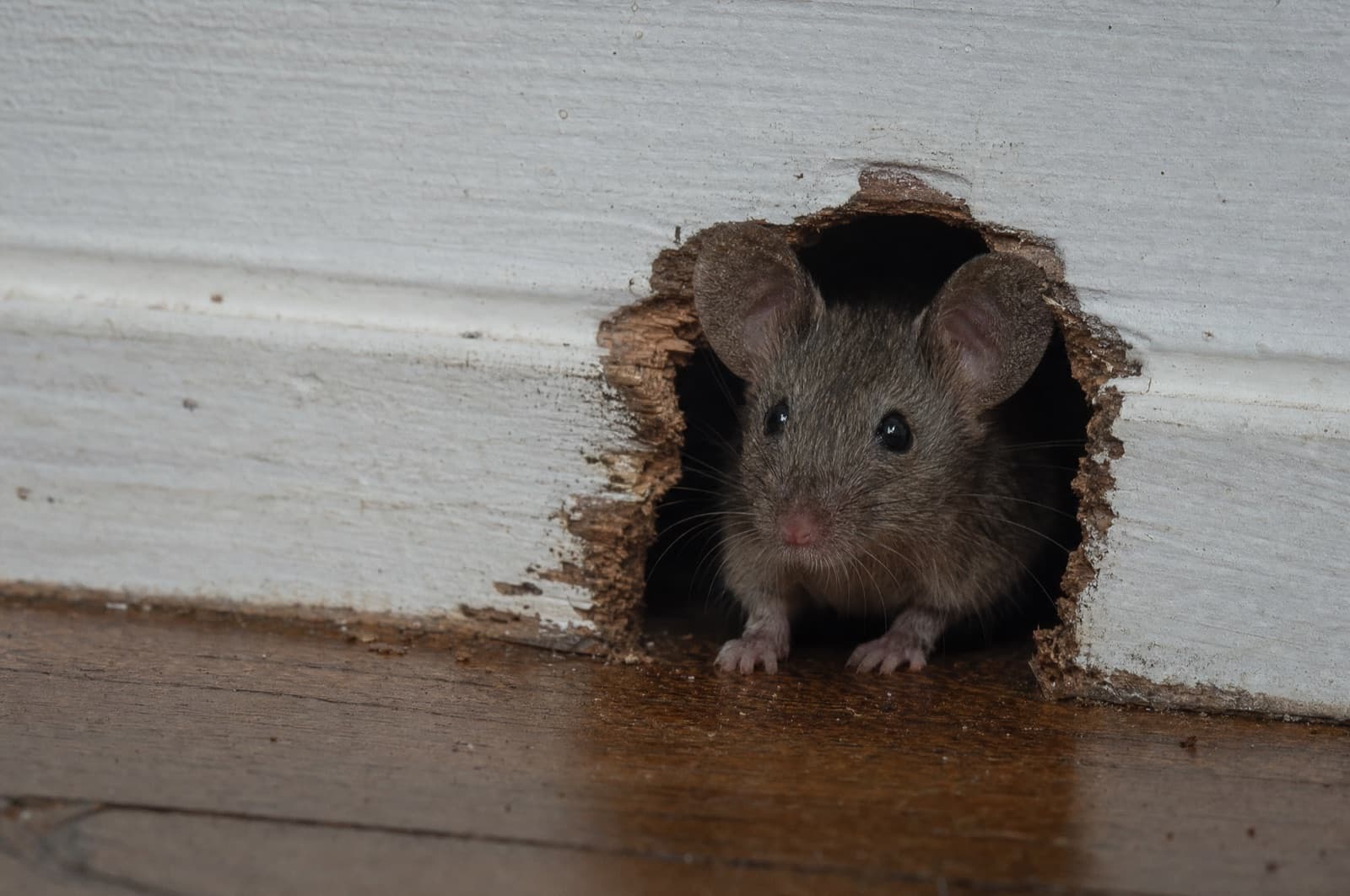
 In New Hampshire, where winter temperatures regularly drop below 20°F, mice that establish inside a home not only survive — they thrive. Your home provides everything they need: warmth, food, water, and insulation. Unlike outdoor mice, indoor mice in NH don't hibernate or slow down in winter — they remain fully active and breeding.

Why Houses Are Ideal for Mice in Winter

  • Warmth: Houses are much warmer than outdoor spaces in winter. Mice have thin fur and lose heat quickly, so they depend on warm spots — like attics, basements, wall voids, or behind appliances — to survive and stay active.
  • Shelter: Inside a house, mice are protected from predators such as cats, owls, or foxes. They like to nest in hidden areas with minimal disturbance, like storage boxes, insulation, or cluttered closets.
  • Food: Humans often leave behind crumbs, spill grains, or store food in easy-to-access ways. Even pet food or birdseed can attract mice. Since mice need only small amounts of food (about three grams a day), a house's normal spills and stores are more than enough to sustain several mice.
  • Water: Although mice can survive with little water, they'll seek out dripping pipes, pet water bowls, or condensation on appliances. A house usually provides plenty of moisture for their survival.

How Mice Get Into Houses

Mice can enter through openings as small as a dime — about 1/4 inch. They squeeze through utility line gaps, cracks in the foundation, poorly sealed doors or windows, vents, or even through the garage. Mice are expert climbers and can even access roof lines and attics.

How Mice Live Inside a House During Winter

  • Nesting: Mice use soft materials like shredded paper, insulation, fabric, or wrap to build nests, usually tucked away in places close to food and water.
  • Breeding: Mice breed rapidly. A female can have 5–10 litters a year, with 5–12 pups each time. A key fact NH homeowners often don't realize: mice breed year-round when living indoors. Outdoor mice reduce breeding in winter. Indoor mice in a warm NH home produce litters every 3 weeks regardless of the season — meaning a winter infestation grows just as fast as a summer one.
  • Foraging: Mice are mostly nocturnal and travel along walls, under appliances, or within attics to gather food, leaving behind droppings and gnaw marks as evidence.
  • Staying Hidden: Mice are shy and prefer to stay hidden. Their nests are often close to food and water, minimizing exposure. Homeowners usually see signs — droppings, gnawed packaging, or scratching sounds — before seeing a mouse itself.

Fall Prevention Checklist for NH Homeowners

  • September: Inspect and seal all exterior gaps over 1/4 inch — this is the highest-impact window before mice begin actively seeking entry
  • October: Store firewood 20+ feet from the house; clear leaf piles and debris from the foundation perimeter
  • November: Check garage door seals and weatherstripping on all exterior doors
  • November–March: Check snap traps monthly in basement and attic; look for new droppings after each cold snap

Steps to Prevent Mice From Surviving in Your Home Over Winter

  • Seal Entry Points: Inspect near the foundation, siding, utility pipes, doors, and windows. Seal with steel wool and caulk or metal flashing — mice will chew through foam or rubber alone.
  • Reduce Clutter: Store boxes off the ground and keep storage areas organized to give mice fewer places to nest or hide.
  • Protect Food: Keep food — including pet food and bird seed — in sealed glass or hard plastic containers. Clean up crumbs and spills promptly.
  • Manage Waste: Take out the trash regularly and use bins with tight-fitting lids. Don't leave pet food out overnight.
  • Fix Leaks and Moisture: Repair leaky pipes and use dehumidifiers in damp areas like basements.

Why It's Important to Act Quickly

Mice reproduce quickly and can carry diseases, contaminate food, and cause property damage by gnawing on wood, wires, and insulation. If they survive the winter in your house, you could have a much bigger problem by spring. Early detection — droppings, gnaw marks, or scratching noises — is key to stopping infestations before they grow.

Summary

Mice can easily survive and thrive in a house during winter because a home provides warmth, food, shelter, and water — everything they need. They enter through small gaps and multiply quickly while staying well hidden. Focus on sealing entry points before fall and keeping food and water sources out of reach. Call Anchor Pest Services at (603) 785-0118 for a pre-winter inspection across Manchester, Nashua, and Concord.

Protect Your Family Today

Professional pest control eliminates troubles immediately. Our safe, effective treatments protect your loved ones from dangerous diseases.

Read More About Mice and Rats
FAQ: Common Questions Explained

How do I disinfect areas where rats were active?

Start by removing any contaminated materials and then use a disinfectant to clean surfaces. Pay attention to nesting areas and droppings. This page also covers safety precautions for effective disinfection.

Read More

Are mouse droppings dangerous to touch?

Yes, mouse droppings can be dangerous to touch due to potential disease transmission. Always use gloves and a mask when handling contaminated areas. This page also covers cleaning protocols and prevention tips.

Read More

Can I handle a large mouse infestation on my own?

No, handling a large mouse infestation on your own can be risky and ineffective. Professional exterminators can assess the situation and implement lasting solutions. This page also discusses warning signs and prevention strategies.

Read More

Are electronic traps better than snap traps for mice?

Yes, electronic traps can be more efficient than snap traps for mice. They often offer a higher kill rate and can be reused. This page also details maintenance tips and costs.

Read More

Are electronic traps effective for rats?

Yes, electronic traps are effective for rats, providing a quick and humane method for eliminating infestations. They are designed to deliver a lethal shock, ensuring swift results. This page also discusses their benefits, limitations, and comparatives with other solutions.

Read More

Are glue traps effective for mice?

Yes, glue traps can catch mice, but they may cause suffering. Consider humane alternatives like catch-and-release traps. This page also discusses pros and cons.

Read More

What noises do mice make at night?

Discover the common noises mice make at night, from scratching to squeaking, and learn how to identify and address potential rodent activity in your home.

Read More

What steps prevent rats from coming back?

Discover effective steps to prevent rats from coming back to your home. Learn practical tips for long-term rodent control and a rat-free environment.

Read More

What is the safest way to dispose of a dead rat?

Discover the safest ways to dispose of a dead rat, including proper handling, disposal methods, and hygiene tips to protect your health and environment.

Read More

Protect Your Family Today

Professional pest control eliminates health risks immediately. Our safe, effective treatments protect your loved ones from dangerous diseases.

Professional Solution That Actually Works

Our certified technicians eliminate pests infestations completely and permanently.
Here's what you get:

🔍

Immediate Assessment

Trained experts identify entry points and nesting areas

🛡️

Safe Treatment

Pet and family-friendly methods used

🎯

Complete Elimination

Targets entire colony, not just visible insects or rodents

📋

Prevention Plan

Long-term exclusion strategies

🧽

Health Protection

Proper cleanup and sanitization

Guarantee

Service warranty and follow-up visits

Our 3-Step Elimination Process

🔍

1. Immediate Inspection

Complete property assessment within 24 hours

🎯

2. Targeted Elimination

Safe, effective treatment of entire colony

🛡️

3. Prevention Plan

Long-term exclusion and monitoring

Ready to Solve This Problem Forever?

Join thousands of satisfied customers who chose professional pest control.
100% satisfaction guarantee.

Quarterly Subscription Plans • Licensed & Insured • Same-Day Start • 100% Satisfaction Guarantee