
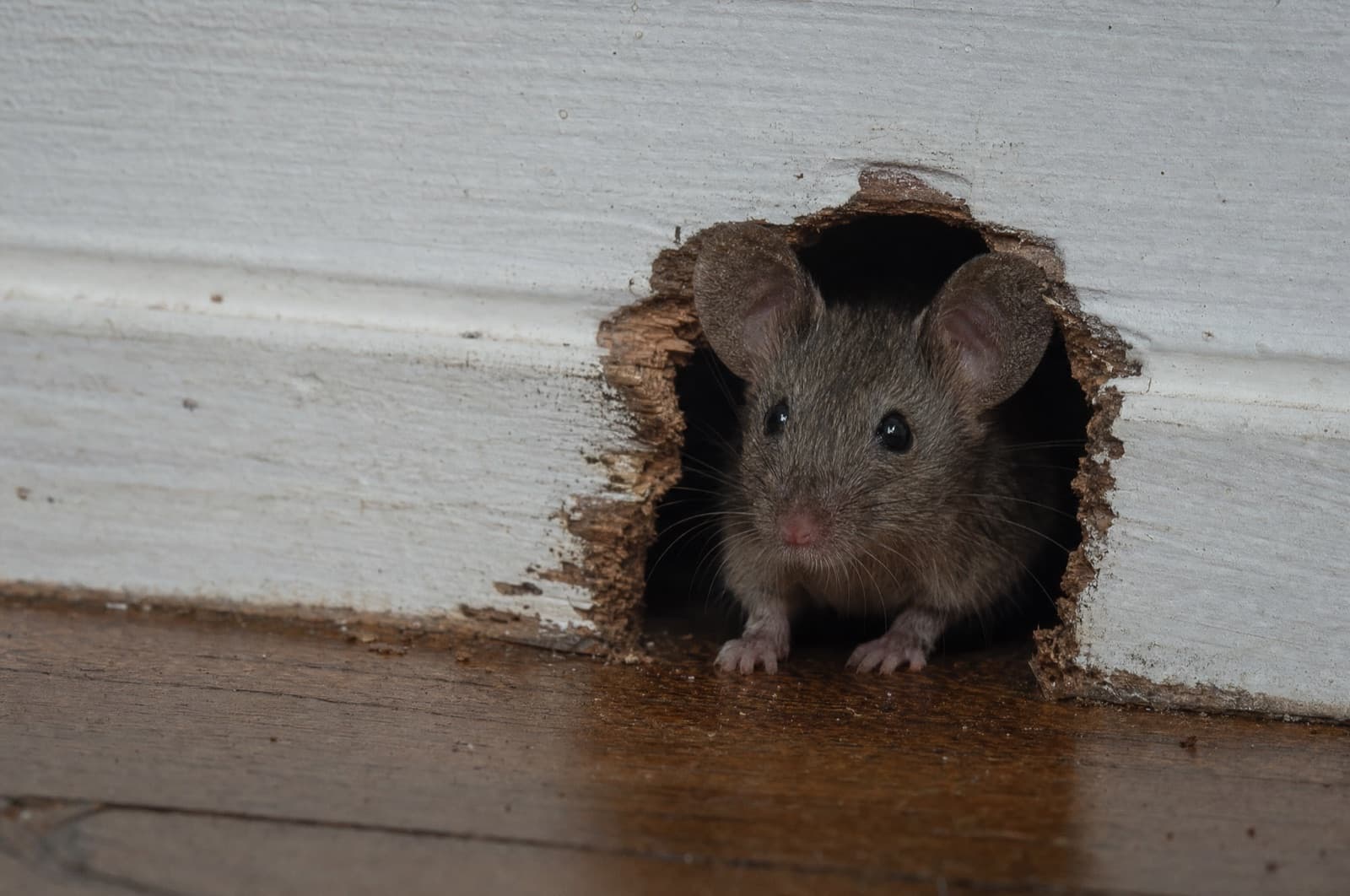
What Is the Best Bait for Rat Traps?
At a Glance
- Short answer: High-fat, aromatic food secured to the trigger — but runway placement and pre-baiting matter more than the food itself.
- Key fact: A mouse-sized trap is too small for a rat, which can steal bait without ever springing it.
- NH relevance: NH's common Norway rats (basements, foundations, woodpiles) respond best to fatty/protein baits; identify the species before choosing bait.
- Action needed: Match bait to species, secure it to the trigger, and set rat-rated traps on confirmed runways.
The short of it
Norway rats (ground-dwelling, common in NH basements) respond best to fatty, protein-rich foods like bacon, peanut butter, or hot dog; roof rats lean toward nuts and dried fruit. Peanut butter bridges both because it combines fat, protein, and sweetness. But the bait itself is a smaller lever than two techniques: securing it to the trigger so it can't be stolen, and placing the trap on a confirmed runway rather than picking the 'best' food. Because rats are neophobic, pre-baiting the trap unset for several days beats any single bait choice.
What Is the Best Bait for Rat Traps — By the Numbers
2
NH-relevant rat species with different bait preferences (Norway vs. roof rat)
Several days
Recommended unset pre-baiting period before arming a trap
2–3 days
How often to swap food bait to keep it fresh
1
Bridge bait that works for both species: peanut butter
The honest efficacy verdict
Bait selection for rat traps
SituationalWorks well when matched to species and secured to the trigger, but placement and pre-baiting drive results more than the specific food.
Evidence: Extension and industry guidance converge on placement plus pre-baiting outperforming bait identity; nesting material can outperform food bait when other food is abundant.
- Small amounts of aromatic, species-matched bait are tied or pressed to the trigger
- Traps are set on confirmed runways and pre-baited unset for several days
- Bait is oversized (rat steals it without triggering)
- Bait is stale
- The trap is off the runway
- A mouse-sized trap is used, letting a rat steal bait cleanly
The full picture
Match bait to species
Norway rats — the ground-dwelling species common in NH basements, foundations, and woodpiles — are omnivores that respond to fatty, protein-rich, or sweet baits: bacon, hot dog, peanut butter, or chocolate. Roof rats, which climb and nest in attics and upper structures, lean plant-based and prefer nuts, dried fruit, or a small piece of banana. If you're not sure which species you have, peanut butter is the reliable bridge bait because it combines fat, protein, and a touch of sweetness that appeals to both. Raisins, prunes, and nutmeats often outperform meat or cat food, and whole nuts suit tree-set traps for roof rats.
Secure the bait so it can't be stolen
Tie fibrous or solid bait to the trigger, or use only a small smear of peanut butter, so a rat can't nab it without springing the trap. Keep bait fresh and swap it every 2–3 days, since rats reject stale or moldy food.
Placement and pre-baiting beat bait choice
Rats run tight against walls, pipes, and edges, so a trap set perpendicular to the wall with the trigger toward the wall intercepts them, while the same trap mid-floor is usually ignored. Because rats are neophobic, set traps in pairs on confirmed runways — look for droppings or grease/rub marks — and pre-bait them unset for several days before arming. Always match the tool to the target: a mouse-sized trap is too small and lets a rat steal bait without firing it, so use rat-rated snap or electronic traps.
Bottom line — Peanut butter, bacon, or nuts and dried fruit (species-dependent) are solid rat baits, but securing the bait to the trigger and placing rat-rated traps on confirmed runways — with several days of pre-baiting — matter more than which food you pick.
Bait right, still no catches?
If runways and pre-baiting aren't stopping the problem, it's usually scope — not bait choice. Anchor's licensed technicians run a full rat-control program across southern and central NH.
Why this matters in New Hampshire
Norway rats are the species Anchor's NH technicians encounter most — in basements, crawlspaces, foundations, and woodpiles across Manchester, Nashua, and Concord. That means fatty, protein-rich baits are usually the right starting point locally, but the same runway-placement and pre-baiting principles apply regardless of which species is confirmed on inspection.
Key local data
UNH Cooperative Extension: Norway rats are commonly found in New Hampshire's urban and town settings.
- NH-licensed applicator · #782664
- Same-day service
- Family-owned since 2017
Service Area Map
Southern New Hampshire
Frequently asked
Sources (4)
- [1]Havahart — Rat Baits(2024)
- [2]
- [3]
- [4]
Written & reviewed by
VerifiedDaniel Brady
NH-Licensed Pesticide Applicator · License #782664 (NHDAMF, RSA 430)
Daniel Brady is the New Hampshire–licensed applicator behind Anchor Pest Services, a family-owned pest control company serving the Manchester area since 2017.
Professional Rodent Control
The Right Bait Only Gets You So Far
Placement, pre-baiting, and persistence catch rats — bait is just one input. Anchor Pest Services maps runways and runs a monitored trapping program built around real rat behavior. Family-owned since 2017, NH license #782664.
- Same-day service across southern NH
- NH-licensed applicators (#782664)
- Free inspection — no flat-price guesswork
NH License #782664 · No obligation · We answer in person
Your next step
- Next step
What Cleaning Products Kill Rodent Bacteria and Viruses?
Read the answer - What to do next
How to Get Rid of Black Rats
Read the answer - What to do next
How to Use the Protecta LP Rat Bait Station
Read the answer - Related guide
What Is the Best Bait for Mouse Traps?
Read the answer - Related guide
Can Rats Learn to Avoid Traps?
Read the answer - Related guide
Are Electronic Traps Effective for Rats?
Read the answer