
Fishy, Chemical, or Burning Smell in Your House: What It Means
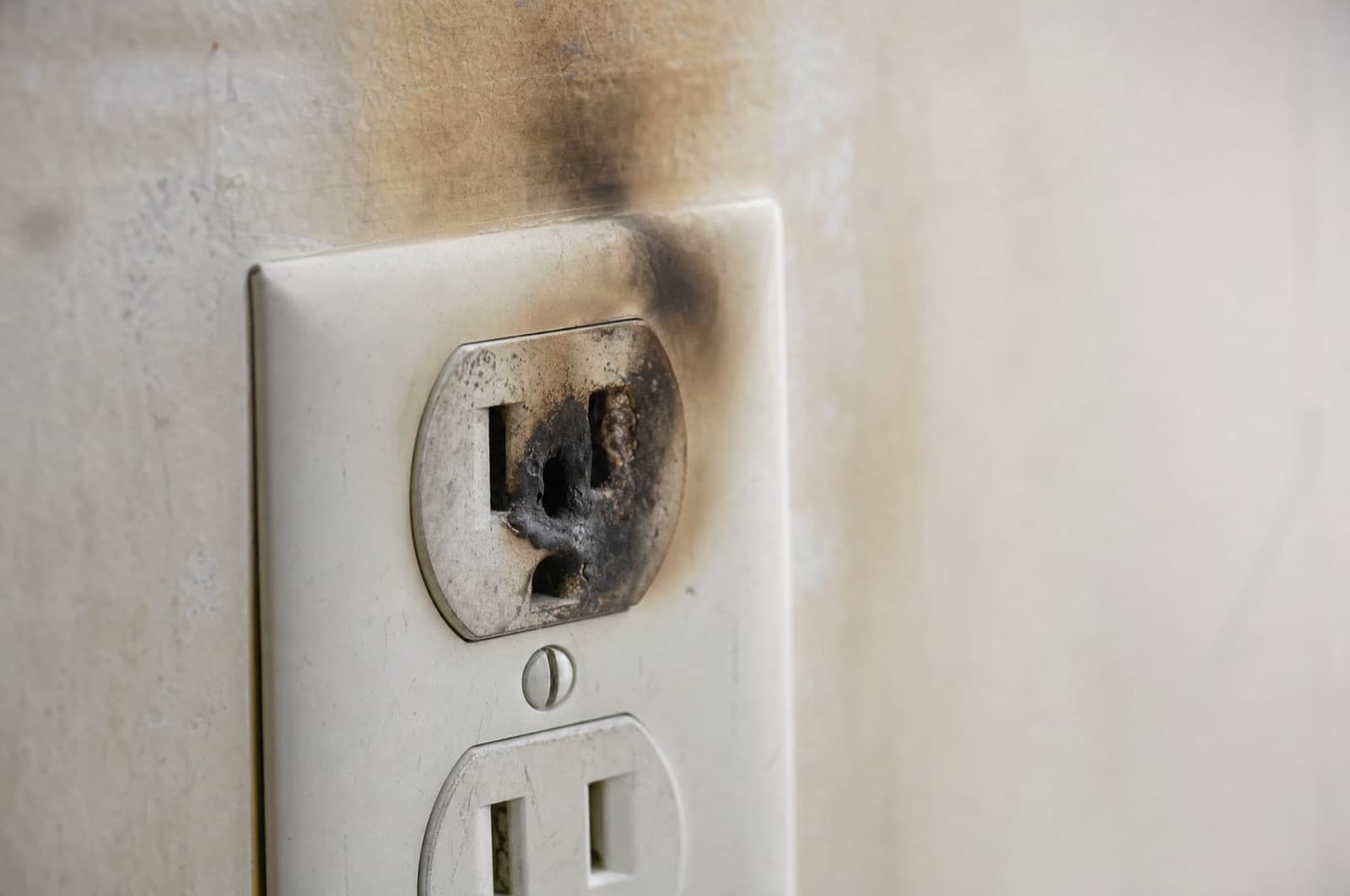
A hot, burning, or fishy-plastic smell with no cooking source is most likely overheating electrical wiring, an outlet, or a failing appliance component — insulation gives off a fishy odor as it heats before it visibly burns, and this is a genuine fire-safety warning sign, not a pest or cleaning issue. Stop using the suspected outlet or appliance, shut off the circuit at the breaker if you can safely identify it, and call a licensed electrician; call 911 immediately if you see smoke, sparks, or flames. Once electrical is ruled out or addressed, the same fishy or chemical character can also mean a refrigerant leak from your AC or heat pump (sweet, chloroform-like, tied to the system running) or, less often, a heavy cockroach infestation, which produces a genuinely oily odor some people describe as fishy or chemical. A rotten-egg smell is different from fishy and should be treated as a possible gas leak — see the escalation section.
If you're smelling something hot, burning, or fishy-plastic with no one cooking, read the next section before anything else. This specific smell is a recognized warning sign of overheating electrical wiring — the kind of thing that precedes an electrical fire, not just an unpleasant odor to track down at your leisure. Once the electrical possibility is ruled out safely, this page covers the other real causes: a refrigerant leak, a natural-gas smell, and — genuinely, but rarely — a heavy roach infestation or a dead pest on a heating element.
At a Glance
- Diagnosing: Fishy / chemical / burning smell
- Top cause: Electrical
- Safety: A real hazard may apply — read the red band below
Overheating electrical wiring, an outlet, or a failing appliance component — a fire hazard, not a pest problem.
Ranked causes — and how to tell them apart
Like a doctor's differential: the candidate causes for this smell, ranked most-likely first, each with the tell-tale sign that distinguishes it and who actually fixes it.
- Most likelyElectrical
Overheating wiring, outlet, breaker, or appliance cord
How to tell it's this
Fishy or burnt-plastic/rubber odor with no cooking source, often localized to a specific outlet, panel, or a device currently in use; may pair with buzzing, warmth, discoloration, scorch marks, or breakers that trip repeatedly.
Who fixes itElectricianCut power to the circuit if safe, then call an electrician; 911 if there's smoke or flames.
- PossibleHVAC
Refrigerant (Freon) leak from an AC or heat pump
How to tell it's this
A sweet, chloroform- or nail-polish-remover-like chemical smell that's heavier than air and pools near floor-level vents; may come with weaker cooling, hissing or bubbling, or visible ice on the coil.
Who fixes itHVAC techTurn the system off, ventilate, and call an EPA-certified technician — refrigerant handling isn't a DIY job.
- PossibleGas
Natural-gas leak
How to tell it's this
Rotten-egg, not fishy — a different smell signature entirely, but worth ruling out fast since any gassy odor indoors calls for the same response: leave and call the utility.
Who fixes itGas utilityIf it's rotten-egg and gassy rather than fishy, leave and call the gas utility/911.
- Less likelyOther
Chemical off-gassing, dust burning off a furnace, or new-appliance smell
How to tell it's this
Traces to solvents stored near a return vent, a brand-new appliance, or the season's first furnace run (dust burning off the heat exchanger); fades within a day or so.
Who fixes itYou can handle itMonitor — if it persists past a day or two, have an HVAC tech check it.
- Less likelyPest
Dead pest scorching on a heating element or in a light fixture
How to tell it's this
A faint acrid note distinct from burning plastic, traced to a bug or small rodent that died on a hot element or inside a fixture, rather than to an outlet or wiring.
Who fixes itPest → AnchorOnce the electrical possibility is cleared, Anchor removes the source and cleans up.
What each clue points to
Notice one of these and you can narrow the differential fast.
- Electrical
If you notice: Fishy or burnt-plastic odor, no one cooking, strongest at an outlet, panel, or a device that's running
Overheating electrical wiring or a failing component — kill the circuit and call an electrician now.
- HVAC
If you notice: Sweet, chloroform-like smell that pools low near vents while the AC runs poorly
A refrigerant leak — an HVAC technician's job, not a DIY fix.
- Gas
If you notice: Rotten-egg and gassy, not fishy
A possible natural-gas leak — leave the building and call the utility or 911.
- HVAC
If you notice: Burning smell only on the season's first heat cycle, then fading within a day
Dust burning off the furnace's heat exchanger — usually normal, but monitor it and don't ignore a smell that doesn't fade or that comes with tripped breakers.
How Anchor finds and fixes it
A pest is rarely the primary cause of a fishy or burning smell, and the electrical or refrigerant possibility should always be cleared first. If, after an electrician or HVAC technician has confirmed the wiring and system are safe, a faint acrid odor remains that traces to a dead insect or rodent on a heating element or inside a fixture, here's how Anchor handles that part:
Confirm the source isn't electrical
Anchor does not proceed with a pest-odor visit until a genuine electrical or refrigerant hazard has been ruled out or resolved by the appropriate licensed professional.
Locate the dead pest
Trace the faint acrid note to the specific fixture, element, or void where the insect or small rodent died, distinguishing it from the sharper burnt-plastic smell of overheating wiring.
Remove and clean the fixture
Extract the remains from the light fixture, appliance housing, or void, and clean the surrounding surface to remove residue.
Enzymatic cleanup if needed
If residue has soaked into a nearby porous surface, treat it with an enzyme-based cleaner rather than masking the smell.
Seal entry points
Find and close the gap that let the pest reach the fixture or void in the first place.
This scenario is uncommon — most fishy or burning smells resolve once the electrician, HVAC technician, or gas utility addresses the actual cause, not through pest treatment.
Electrician cleared the wiring, but a smell remains?
If a dead insect or rodent on a fixture or element is the leftover cause, Anchor's NH technicians find it, remove it, and clean up. Free inspection, same-day service.
Who to call for the other causes
The honest routing: when the smell points somewhere other than a pest, here's the right trade and the conservative next step.
- Electrician
The smell is fishy or burnt-plastic with no cooking source
Cut power to the suspected circuit at the breaker if safe, then call a licensed electrician for an emergency inspection. Call 911 immediately if you see smoke, sparks, or flames.
- HVAC tech
The smell is sweet or chemical and tied to the AC or heat pump running
Turn the system off, ventilate the space, keep pets and sensitive household members away, and call an EPA-certified HVAC technician — refrigerant requires certified handling.
Why older NH homes deserve extra caution here
Much of New Hampshire's housing stock predates modern electrical codes, and older wiring, aluminum connections, and overburdened circuits are a well-documented factor in residential electrical fires in homes more than 40 years old. A burning or fishy-plastic smell in a vintage Manchester, Nashua, or Concord home is worth a same-day electrician visit, not a wait-and-see approach.
NH-licensed applicator #782664 (NHDAMF, RSA 430) · NEPMA member · family-owned since 2017.
Frequently asked
Sources(4)
- [1]U.S. Fire Administration (FEMA) — Appliance and Electrical Fire Safety
Burning odor as an electrical-fire warning sign; annual fire/injury/death statistics
gov - [2]CPSC — Guide to Home Wiring Hazards
Overheated connections and burning-plastic smell at outlets; call an electrician
gov - [3]Electrical Safety Foundation International — Home Safety
Warning signs of electrical hazards in the home
industry - [4]CDC — Carbon Monoxide Poisoning: Fact Sheets
CO is a separate, odorless hazard — a fuel appliance context still warrants a detector
gov
Written & reviewed by
VerifiedDaniel Brady
NH-Licensed Pesticide Applicator · License #782664 (NHDAMF, RSA 430)
Daniel Brady is the New Hampshire–licensed applicator behind Anchor Pest Services, a family-owned pest control company serving the Manchester area since 2017.
Last updated 2026-07-14
Odor-Source Diagnosis & Removal
Safety First, Then the Honest Diagnosis
A fishy or burning smell deserves an electrician's eyes first. Once that's cleared, if a dead pest is the leftover cause, Anchor Pest Services locates it, removes it, and cleans up — across southern and central New Hampshire. Family-owned since 2017, NH license #782664.
- We tell you when it's not a pest problem
- Source removal + enzymatic cleanup when it is
- Same-day service across Manchester, Nashua, Concord
NH License #782664 · No obligation · We answer in person
Your next step
- Book a NH pro
Pest Control Services
Licensed, family-owned pest control across southern NH.
Book now - Related guide
What Is That Smell in My Walls or Ceiling?
Read the answer - Related guide
Why Do My Vents Smell Bad? Common Causes and How to Fix Them
Read the answer - Related guide
Why Does It Smell After Pest Treatment? What's Normal and What's Not
Read the answer - Related guide
Why Does My House Smell Musty or Like Mildew?
Read the answer - Related guide
Dead Animal Smell in Your House: How to Find It and Get Rid of It
Read the answer