
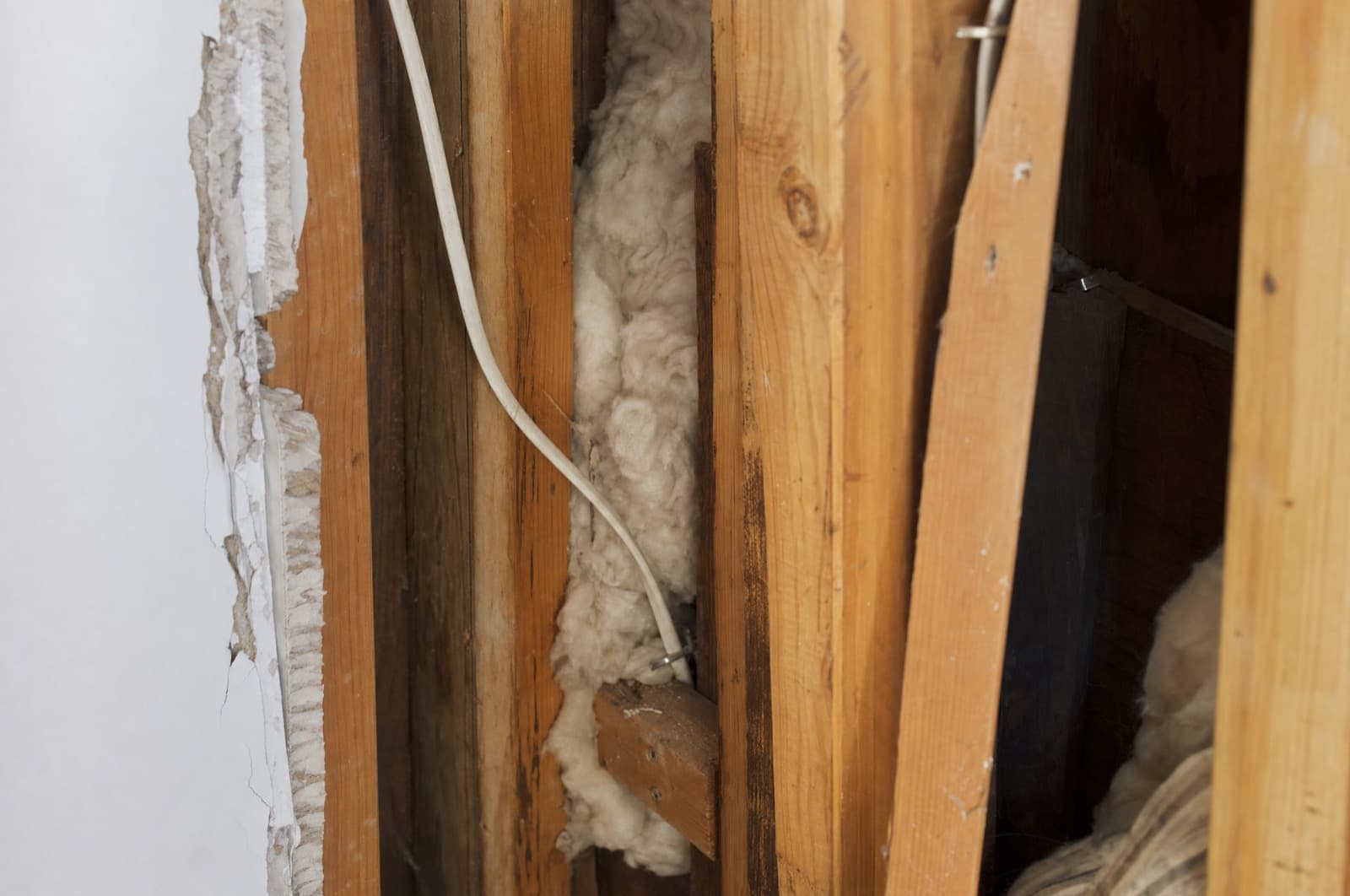
What Is That Smell in My Walls or Ceiling?
The most common smell from inside a wall or ceiling void is a dead animal — a mouse, rat, or other small animal that died in the cavity, producing a strong, localized, sweet-then-putrid odor that often follows scratching sounds that suddenly stopped. An ammonia-forward smell instead points to an active rodent nest with urine rather than a carcass. A musty smell with stained or soft drywall, especially near a bathroom or kitchen, usually means a hidden plumbing leak and mold rather than a pest at all. But if the smell is a burning, hot-plastic, or fishy odor — especially near an outlet, switch, or ceiling fixture — stop reading the pest explanation and treat it as a possible electrical hazard: it can mean overheating wiring inside the wall, a genuine fire-warning sign that needs a licensed electrician immediately, not patience.
A smell that's clearly coming from inside a wall or ceiling void — not the room air generally — narrows things down fast, because a closed cavity only holds a handful of things: a dead animal, an active rodent nest, a hidden leak, or wiring. Three of those are a pest or plumbing job. The fourth is a fire-safety emergency. Before reading any further into the dead-animal explanation that's most likely, read the safety flag below — a burning or fishy smell from a wall is the one case on this entire hub that overrides every other diagnosis until it's ruled out.
At a Glance
- Diagnosing: Walls / ceiling void
- Top cause: Pest
- Safety: A real hazard may apply — read the red band below
A dead animal decomposing inside the wall or ceiling void is the most likely cause — but a burning, hot-plastic, or fishy smell from a wall must be treated as a possible electrical fire hazard first, before any pest explanation.
Ranked causes — and how to tell them apart
Like a doctor's differential: the candidate causes for this smell, ranked most-likely first, each with the tell-tale sign that distinguishes it and who actually fixes it.
- Most likelyPest
Dead animal in a wall or ceiling void
How to tell it's this
A strong, putrid smell localized to one specific spot, sometimes with flies or a stain; often follows scratching sounds that suddenly stopped days earlier.
Who fixes itPest → AnchorLocate the exact stud bay or ceiling area, cut a small access point, remove, and clean up.
- PossiblePest
Active rodent nest with urine
How to tell it's this
An ammonia-forward smell (not rotten-sweet like decay), with greasy rub marks, gnaw marks, or droppings at the wall base rather than a single putrid spot.
Who fixes itPest → AnchorRemoval, enzymatic cleanup, and exclusion so the nest doesn't re-establish.
- PossibleMold / Moisture
Plumbing leak or mold behind drywall
How to tell it's this
A musty smell with discoloration or soft, bubbling drywall, worse near a bathroom or kitchen wall; no droppings or fly activity.
Who fixes itPlumberA plumber stops the leak; mold remediation follows once the cavity is dry.
- Less likelyElectrical
Overheating wiring or electrical component
How to tell it's this
An acrid burning-plastic or fishy odor at an outlet, switch, or ceiling fixture, possibly with a warm or discolored faceplate, buzzing, flickering lights, or tripped breakers.
Who fixes itElectricianKill the circuit and call a licensed electrician now — this is the safety fork on this page, not a candidate to rank against the others.
- Less likelyPlumbing / Sewer
Sewer gas in a wall chase
How to tell it's this
A rotten-egg smell tracking along a vent or waste stack running through the wall, rather than a localized decay spot.
Who fixes itPlumberA plumber traces and repairs the vent or line issue.
What each clue points to
Notice one of these and you can narrow the differential fast.
- Electrical
If you notice: Burning plastic or fishy smell at an outlet, switch, or fixture, maybe a warm faceplate
Overheating wiring — kill the breaker and call an electrician now. This overrides every other signal on this page.
- Pest
If you notice: Putrid, rotting smell localized to one spot, after scratching stopped
A dead animal in the void — locate, remove, and clean up.
- Pest
If you notice: Ammonia smell with rub marks or droppings at the baseboard
An active rodent nest — removal and exclusion.
- Mold / Moisture
If you notice: Musty smell with stained or soft drywall near a bathroom
A plumbing leak and mold — plumber first, then remediation.
- Gas
If you notice: Rotten-egg smell tracking a wall chase near a gas line
Leave and call the utility — treat as a possible gas leak.
How Anchor finds and fixes it
Once an electrical or gas cause has been ruled out, here's how a technician handles a confirmed dead-animal or rodent-nest odor in a wall void:
Localize to the exact stud bay or ceiling area
Odor intensity along baseboards and any fly activity narrow the search to a specific spot before anything is opened.
Confirm and access
A small, patchable cut in the drywall at the confirmed spot — often the only opening needed — gives access to the void.
Remove the carcass or nest with PPE
The animal and any contaminated nesting material are removed by hand, following CDC guidance to never dry-sweep or vacuum rodent waste.
Enzymatic treatment
An enzyme-based cleaner breaks down the odor compounds soaked into the cavity, since masking agents don't work on porous material.
Seal the entry point and repair
The opening is patched and the entry point that let the animal in is sealed so it doesn't happen again.
A single mouse odor in a wall typically clears within about ten days once the source is removed and the area treated; a rat in a damp spot can smell for weeks. Absorbent materials left in place, not the animal itself, are usually why a smell lingers longer than expected.
Confirmed it's not electrical — now what died in there?
Anchor's NH technicians pinpoint the exact spot with thermal + borescope tools, open only what's necessary, remove it, and clean up. Free inspection, same-day service.
Who to call for the other causes
The honest routing: when the smell points somewhere other than a pest, here's the right trade and the conservative next step.
- Electrician
The smell is burning plastic or fishy, especially near an outlet, switch, or fixture
Turn off power to the area at the breaker if safe, and call a licensed electrician immediately; call 911 if you see smoke, sparks, or scorch marks. Do not wait for it to air out.
- Plumber
A musty smell comes with stained or soft drywall near a bathroom or kitchen wall
A plumber locates and repairs the leak; mold remediation follows once the cavity is dry.
Why NH wall voids trap this smell for weeks
In New Hampshire's fall rodent push-indoors, mice and rats that die inside wall voids are the classic 'smell in the walls' call, and the region's cooler wall cavities can make the odor linger longer than it would in a warmer climate. Older NH housing stock with dated wiring also raises the stakes on any burning-plastic wall smell — it should always be treated as an electrical emergency first, never as a nuisance to wait out.
NH-licensed applicator #782664 (NHDAMF, RSA 430) · NEPMA member · family-owned since 2017.
Frequently asked
Sources(4)
- [1]U.S. Fire Administration — Appliance and Electrical Fire Safety
Burning odor as an electrical-fire warning sign; annual fire statistics
gov - [2]
- [3]EPA — Mold Course Chapter 2
Suspect hidden mold if a wall smells moldy or there's been a water problem
gov - [4]
Written & reviewed by
VerifiedDaniel Brady
NH-Licensed Pesticide Applicator · License #782664 (NHDAMF, RSA 430)
Daniel Brady is the New Hampshire–licensed applicator behind Anchor Pest Services, a family-owned pest control company serving the Manchester area since 2017.
Last updated 2026-07-14
Odor-Source Diagnosis & Removal
Find It Inside the Wall — Without Guessing Where to Cut
Once an electrical or plumbing cause is ruled out, Anchor Pest Services locates the source with thermal and borescope tools, removes it through a minimal, patchable opening, and seals the entry point, across southern and central New Hampshire. Family-owned since 2017, NH license #782664.
- Thermal + borescope source location (minimal cutting)
- CDC-aligned cleanup + enzymatic odor removal
- Honest safety-first routing when it's electrical, not pest
NH License #782664 · No obligation · We answer in person
Your next step
- Book a NH pro
Pest Control Services
Licensed, family-owned pest control across southern NH.
Book now - Related guide
Dead Animal Smell in Your House: How to Find It and Get Rid of It
Read the answer - Related guide
Why Does It Smell After Pest Treatment? What's Normal and What's Not
Read the answer - Related guide
Why Do My Vents Smell Bad? Common Causes and How to Fix Them
Read the answer - Related guide
Why Does My Attic Smell Bad? Common Causes and What to Do
Read the answer - Related guide
Fishy, Chemical, or Burning Smell in Your House: What It Means
Read the answer