
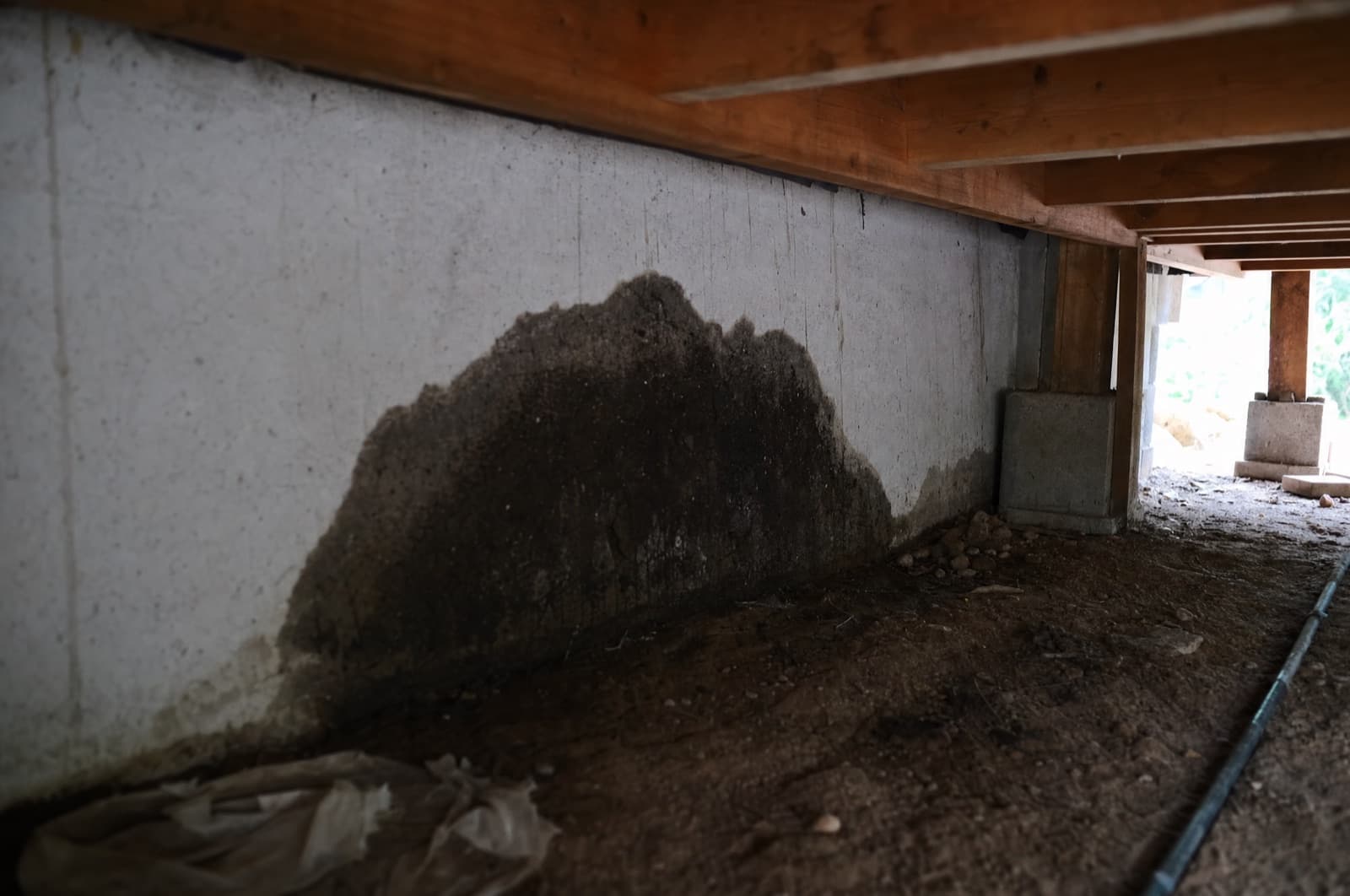
How to Prevent Termites in Homes With Dense Shrubs and Groundcover Against Exterior Walls
This is a genuine risk, but the honest mechanism is indirect: dense plantings against the wall don't feed termites — living plants aren't the food — they trap moisture, block airflow and sunlight, and hide the foundation so mud tubes go unseen.
Real but mostly a detection-and-moisture problem, and one of the most manageable on this whole hub — cutting back vegetation is quick, low-cost, and immediately improves your ability to see trouble.
At a glance
- What it is: Real termite risk
- The driver: Trapped moisture and a hidden foundation
- Who fixes it: You can handle this
This is a genuine risk, but the honest mechanism is indirect: dense plantings against the wall don't feed termites — living plants aren't the food — they trap moisture, block airflow and sunlight, and hide the foundation so mud tubes go unseen.
Real but mostly a detection-and-moisture problem, and one of the most manageable on this whole hub — cutting back vegetation is quick, low-cost, and immediately improves your ability to see trouble.
Pull the right lever, not the sprayer
The organism is downstream of one condition. Remove that condition and it has no foothold — which is why prevention here is rarely a pesticide.
The driver
Trapped moisture and a hidden foundation
Shrubs and groundcover packed against siding keep the foundation soil chronically damp and shaded — exactly the microclimate subterranean termites exploit — and they make termite inspection more difficult while blocking ventilation of the structure.
Source:Clemson Cooperative Extension (HGIC)— Termites
3 levers, honestly ranked
Sorted by what actually moves the driver — primary first, theatre last. Effort is graded so you know what's a five-minute fix and what's a real project.
- Primary — moves the driverQuick DIY
Cut back vegetation to open an inspection and drying zone
Prune shrubs, vines, and groundcover so nothing touches siding and there is a clear, ventilated gap along the foundation; keep the bottom edge of siding well above grade and maintain at least six inches of exposed foundation. This restores airflow and sunlight so the soil dries and — critically — lets you and any inspector actually see mud tubes on the foundation, which dense planting otherwise hides.
- SupportingWeekend project
Plan future plantings for mature size and set them back
When replanting, place landscape plants at least two feet away from exterior walls and account for how large they will be in ten to fifteen years, so you never recreate the trapped-moisture, hidden-foundation condition. Choose low groundcover over wood mulch right at the wall.
- SupportingQuick DIY
Manage mulch and irrigation at the wall
Keep mulch raked back from the foundation and thin near the wall, and keep sprinklers from spraying the foundation directly; the goal is dry soil against the house. Research comparing mulch types found termites detected with equal frequency beneath eucalyptus, hardwood, pine bark, pea gravel, and bare uncovered soil — there is no strong evidence that mulch type itself attracts foragers from the surrounding landscape. The real issue is sustained moisture and a hidden pathway, not the mulch material.
Whose job is this, really?
Who actually fixes it
You can handle this
Pruning, setting back plantings, and managing mulch and irrigation are entirely homeowner-level tasks — this is one of the cheapest, most within-reach fixes on the whole hub.
After clearing vegetation you find mud tubes on the foundation, damaged sill or siding, or swarmers — call a licensed pest professional.
How this calibrates for NH
Overgrown foundation plantings are common on older homes across southern New Hampshire, and clearing them is the cheapest risk reduction available — it both dries the microclimate and enables early detection at the range's northern edge, where the Eastern subterranean termite persists but only where moisture and cover allow it.
NH-licensed applicator #782664 (NHDAMF, RSA 430) · NEPMA member · family-owned since 2017.
Frequently asked
Sources(4)
- [1]
- [2]NC State Extension
Termites: Preventing Problems in Existing Homes (Michael Waldvogel)
- [3]Iowa State University Extension
Does landscape mulch lead to termites in your home? (Donald Lewis)
- [4]UF/IFAS Extension
ENY-2044/IN1277: Termite Prevention and Control
Written & reviewed by
VerifiedDaniel Brady
NH-Licensed Pesticide Applicator · License #782664 (NHDAMF, RSA 430)
Daniel Brady is the New Hampshire–licensed applicator behind Anchor Pest Services, a family-owned pest control company serving the Manchester area since 2017.
Your next step
- termite-mite-prevention-guides
Preventing termites where mulch is piled against the foundation
Read the answer - termite-mite-prevention-guides
Preventing termites where soil touches wood siding or trim
Read the answer - termite-mite-prevention-guides
What to check if mud tubes appear on a foundation wall
Read the answer - faq-pest-damage-and-risks
Why do termites target wooden structures?
Read the answer
Anchor Pest Services
Have a different pest question?
This one may not be a pesticide job — but if you're facing something that is, we serve Southern New Hampshire with a free inspection and same-day service.
- NH-licensed applicator
- Same-day service
- Pet & family-conscious
NH License #782664 · No obligation · We answer in person