
Why Does Termite Activity Increase Near Leaking Outdoor Faucets and Spigots?
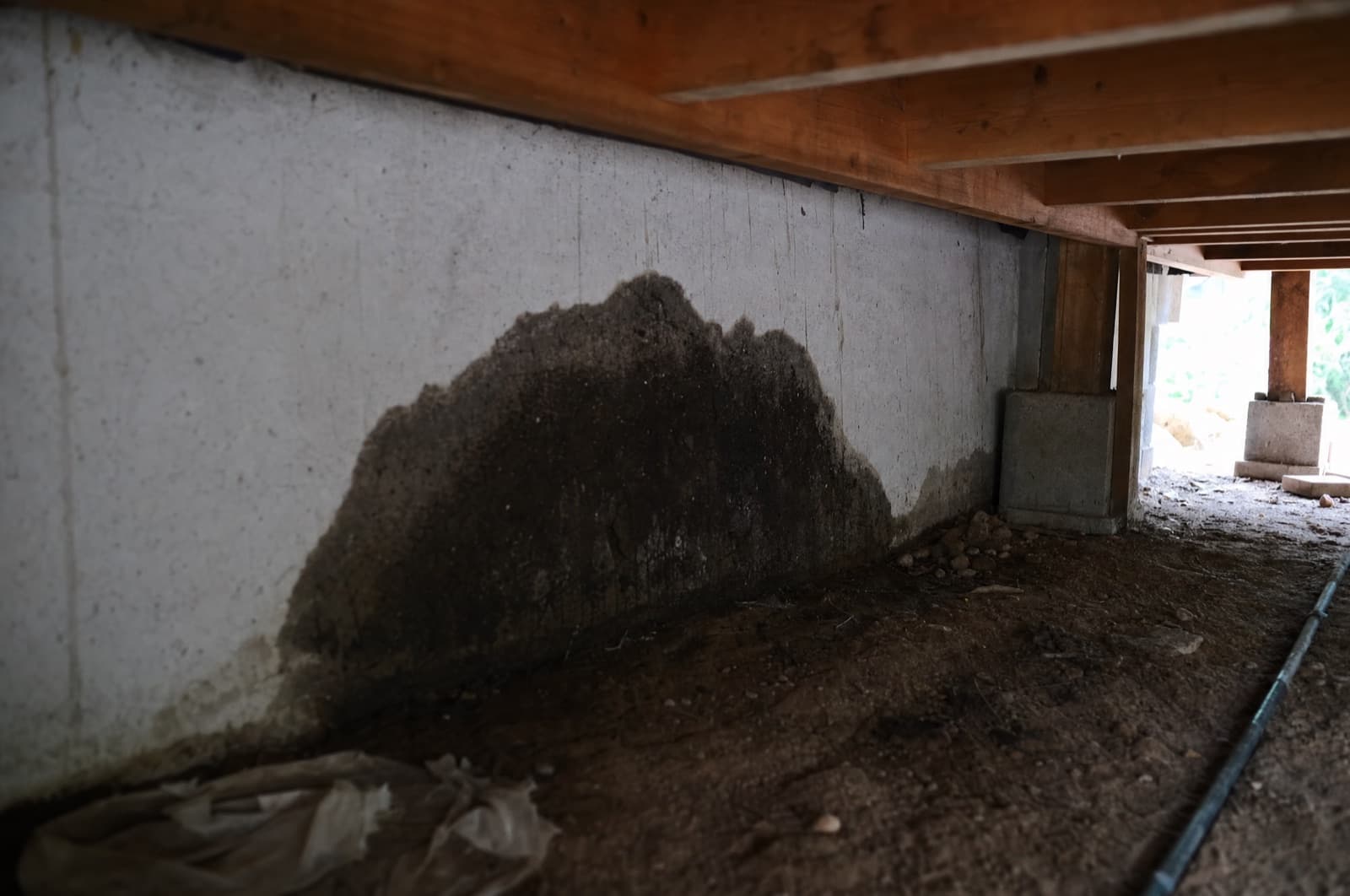
A chronically leaking spigot, hose bib, or outdoor faucet creates the localized, sustained soil-and-wood moisture that subterranean termites need — a persistent wet spot against the foundation, often near wood like deck posts, sills, or trim.
This is a genuine, fixable conducive condition, not a scare. Repair the drip and the disproportionate draw it created for termites at that spot goes away with it.
At a glance
- What it is: Real termite risk
- The driver: Moisture (a chronic point-source leak)
- Who fixes it: You can handle this
A chronically leaking spigot, hose bib, or outdoor faucet creates the localized, sustained soil-and-wood moisture that subterranean termites need — a persistent wet spot against the foundation, often near wood like deck posts, sills, or trim.
This is a genuine, fixable conducive condition, not a scare. Repair the drip and the disproportionate draw it created for termites at that spot goes away with it.
Pull the right lever, not the sprayer
The organism is downstream of one condition. Remove that condition and it has no foothold — which is why prevention here is rarely a pesticide.
The driver
Moisture (a chronic point-source leak)
Subterranean termites depend on a constant moisture source and are killed by drying, so a steady drip that keeps foundation soil and adjacent wood damp makes that one spot disproportionately attractive — sometimes even substituting for direct soil contact the termites would otherwise need to seek out elsewhere.
Source:Mississippi State University Extension— Conducive Conditions (Common Termite Risk Factors)
4 levers, honestly ranked
Sorted by what actually moves the driver — primary first, theatre last. Effort is graded so you know what's a five-minute fix and what's a real project.
- Primary — moves the driverWeekend project
Repair the leak at the source
Fix or replace the dripping spigot, hose bib, worn washer, or cracked supply pipe so the chronic wet spot disappears entirely. This is the highest-leverage action available because it removes the very moisture termites depend on at that specific location.
- Primary — moves the driverWeekend project
Drain and dry the affected soil and wood
Regrade the area or add drainage so the previously soaked ground can dry out, and inspect any wood that was near the former leak for water damage, replacing it if it's compromised.
- SupportingQuick DIY
Restore foundation clearance near the fixture
Keep mulch, soil, stored hoses, firewood, and general debris away from the fixture and foundation so wood-to-soil bridging and hidden dampness are eliminated and the area stays visible for future checks.
- SupportingQuick DIY
Inspect the former wet zone for tubes or damage
Probe nearby sill, trim, and deck posts and look specifically for mud tubes where the leak used to be, since that spot was the most termite-favorable location on your property until it was fixed.
Whose job is this, really?
Who actually fixes it
You can handle this
Fixing a dripping spigot or hose bib is fundamentally a plumbing repair well within most homeowners' reach, or a quick call to a plumber if not. Fix the water and you remove the reason termites favored that specific spot — a pest professional's role only enters if an inspection of the area turns up active termites.
You find mud tubes, soil-lined galleries, or live workers in the damp zone around the fixture.
How this calibrates for NH
In southern and central New Hampshire — where the Eastern subterranean termite is established near its cold-limited northern range edge — a leaking exterior faucet against a foundation with nearby wood is one of the more plausible, concrete ways a homeowner can unintentionally create a local termite-favorable microclimate. It's a small, fixable version of the same moisture driver behind every other termite risk in the hub.
NH-licensed applicator #782664 (NHDAMF, RSA 430) · NEPMA member · family-owned since 2017.
Frequently asked
Sources(3)
- [1]Mississippi State University Extension
Conducive Conditions (Common Termite Risk Factors)
- [2]NC State Extension
Monitoring and Management of Eastern Subterranean Termites — moist wood as a conducive condition
- [3]Mississippi State University Extension
Protect Your House from Termites — desiccation vulnerability
Written & reviewed by
VerifiedDaniel Brady
NH-Licensed Pesticide Applicator · License #782664 (NHDAMF, RSA 430)
Daniel Brady is the New Hampshire–licensed applicator behind Anchor Pest Services, a family-owned pest control company serving the Manchester area since 2017.
Your next step
- termite-mite-prevention-guides
Why termite activity increases after heavy rain or flooding
Read the answer - termite-mite-prevention-guides
Preventing termites around HVAC condensate lines
Read the answer - termite-mite-prevention-guides
What to check if mud tubes appear on a foundation wall
Read the answer - faq-pest-damage-and-risks
Do termites really eat wood inside houses?
Read the answer
Anchor Pest Services
Have a different pest question?
This one may not be a pesticide job — but if you're facing something that is, we serve Southern New Hampshire with a free inspection and same-day service.
- NH-licensed applicator
- Same-day service
- Pet & family-conscious
NH License #782664 · No obligation · We answer in person