
Skip to content
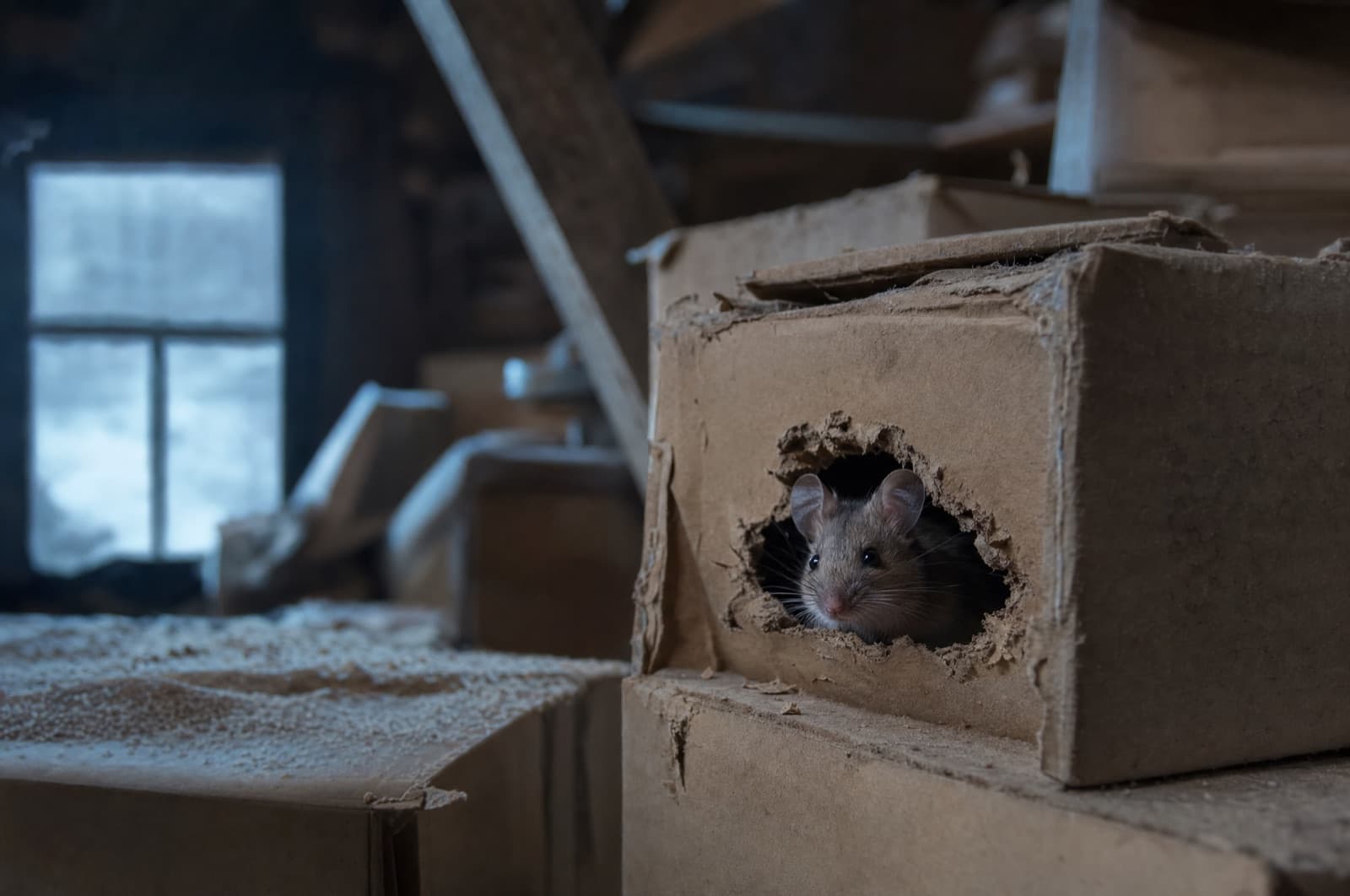
A house mouse in a gnawed cardboard storage box in a cold New Hampshire attic
Daniel Brady · NH-Licensed Pesticide Applicator · License #782664
Reviewed by Daniel Brady

Could pests in winter exacerbate allergies or asthma indoors?

Caution — a real, documented finding, not a scare
Caution, and this is a genuinely evidence-backed concern rather than a general scare.Cockroach and mouse (rodent) allergens are documented among the most significant indoor asthma triggers, particularly for children, and winter's closed windows and reduced ventilation can allow indoor allergen levels to build up more than they would with fresh air moving through the house. This is established public-health research, not marketing, and the appropriate response is reducing the pest source and airing out the home, with a doctor involved for anyone experiencing worsening respiratory symptoms.

At a glance

  • The verdict: Caution — a real, documented finding, not a scare
The honest answer

The short of it

The verdict
Caution — a real, documented finding, not a scare

Cockroach and mouse allergens are among the most significant indoor asthma triggers on record, and a closed-up winter house can concentrate them further.

The health angle

Named, proportionate — and routed to a doctor

Cockroach allergen (proteins such as Bla g 1) and mouse/rodent allergen, both documented asthma triggers. The National Cooperative Inner-City Asthma Study (Rosenstreich et al., New England Journal of Medicine, 1997) followed 476 children with asthma across eight U.S. inner-city areas and found the highest asthma morbidity in children with both a positive skin-test response to cockroach allergen and high current cockroach-allergen exposure in the bedroom. A 2005 follow-up (Gruchalla et al.) concluded cockroach allergen had a greater effect on asthma morbidity in these children than dust mite or pet allergen.

Caution
Who is at risk
  • Children, especially those with existing asthma or a diagnosed allergic sensitization
  • Anyone with existing asthma or documented allergy to rodent or cockroach allergen
  • Households in winter specifically, when closed windows and reduced ventilation allow indoor allergen levels to build up
Precautions
  • Reduce the pest source through cleaning and exclusion — droppings, shed skins and dead insects continue releasing allergen even after live pests are gone
  • Vacuum and clean regularly in areas where cockroach or rodent activity has occurred
  • Reduce clutter and accessible food sources that sustain a cockroach or rodent population indoors
  • Ventilate periodically where practical, even in winter, since closed-up conditions can allow allergen levels to concentrate
When to seek care

Worsening wheeze, persistent cough, chest tightness, or nighttime asthma symptoms — especially in a child — warrant evaluation by a doctor. This page names a documented and proportionate risk factor; it does not diagnose, does not recommend a specific treatment, and is not a substitute for medical advice.

Health guidance from: NEJM — National Cooperative Inner-City Asthma Study (Rosenstreich et al., 1997); PMC — Cockroach Allergen Exposure and Risk of Asthma; Columbia Center for Children's Environmental Health

In depth

The full picture

01

What the research actually found

This isn't a loosely-connected health worry attached to a pest-control topic — it's a specific, well-documented finding from public-health research. The National Cooperative Inner-City Asthma Study, published in the New England Journal of Medicine in 1997, followed 476 children with asthma across eight U.S. inner-city areas and found the worst asthma outcomes in children who both tested positive for cockroach-allergen sensitivity and had high cockroach-allergen exposure in their bedroom. A 2005 follow-up study went further, concluding that cockroach allergen had a greater effect on these children's asthma than dust mite or pet allergen — two triggers usually assumed to be more significant.

Mouse and rodent allergen carries a comparable, well-established role as an indoor asthma trigger. None of this is specific to winter as a season; it's a year-round finding about indoor allergen exposure that happens to interact meaningfully with winter conditions, which is the next piece of the picture.

02

Why winter specifically

The underlying allergen science doesn't change with the season, but the conditions that concentrate allergen exposure indoors do. Winter closes up a house — windows shut, less fresh-air exchange, more time spent indoors overall — which can allow allergens that would otherwise be diluted by ventilation to build up in indoor air and settle in carpets, bedding and upholstery. This is also, not coincidentally, the season when this hub's rodent-focused pages document winter as peak indoor rodent season, so any pest presence contributing allergen has more opportunity to do so during exactly the months when the house is least ventilated.

03

What actually reduces the risk

The research is specific on one important point: killing the pests alone doesn't immediately remove the allergen. Columbia Center for Children's Environmental Health notes that decaying bodies, shed skins and droppings continue releasing allergen after the living population is gone, so reducing exposure means addressing both the source (exclusion, reducing food and clutter that sustains a population) and ongoing cleaning (vacuuming, washing bedding, reducing dust accumulation) rather than a single treatment. None of that requires diagnosing anyone or following a specific protocol — it's the same reduce-the-source-and-clean approach that applies to any documented indoor allergen, paired with a doctor's involvement for anyone with worsening symptoms.

Key takeaways
5 points
  • Cockroach and mouse allergens are documented, significant indoor asthma triggers — not a marketing exaggeration.
  • The 1997 NEJM Inner-City Asthma Study found the worst outcomes in children with both cockroach sensitivity and high bedroom exposure; a 2005 follow-up found cockroach allergen mattered more than dust mite or pet allergen in these children.
  • Winter's closed windows and reduced ventilation can let indoor allergen levels build up more than they would with fresh air moving through.
  • Killing pests alone doesn't remove the allergen — decaying remains and droppings keep releasing it, so cleaning matters alongside exclusion.
  • Worsening respiratory symptoms, especially in a child, warrant a doctor's evaluation — this is proportionate health information, not a diagnosis.
New Hampshire context

Why this hits woods-adjacent New Hampshire homes in winter

In New Hampshire the pest side of this equation is mostly rodent, and mostly seasonal. Once Manchester's first hard frost lands around October 19 to 29 (NOAA), mice push indoors just as houses seal up for the winter -- so the allergen source and the closed-up conditions that concentrate it arrive in the same weeks. Rodent droppings and dander are documented indoor allergen sources, and in a house that won't be aired out again until spring, that matters.

There's a New Hampshire-specific handling note too. On rural and wooded lots the mouse is often the native white-footed or deer mouse (Peromyscus) rather than the house mouse -- and Peromyscus is the hantavirus-relevant group in the Northeast (CDC). For cleanup, that means ventilating the room and wet-cleaning droppings rather than dry-sweeping or vacuuming, which can aerosolize particles. It's the same reduce-the-source-and-clean approach, done the safe way.

  • NH-licensed #782664

    Southern New Hampshire

  • Family-owned

    Since 2017

  • Honest routing

    Even when it isn’t us

We serve these communities

ManchesterNashuaConcordDerryBedfordSalemHudsonAmherst

Reducing the source is what actually helps.

Cleaning removes lingering allergen; exclusion stops the source from returning. If rodents or cockroaches are active in your home, that part is squarely ours.

Follow-up questions

Frequently asked

Sources & citations(3)
  1. New England Journal of Medicine — National Cooperative Inner-City Asthma Study (Rosenstreich et al., 1997)

    Cockroach allergen exposure linked to asthma morbidity in inner-city children

    academicverified 2026-07-16
  2. PMC — Cockroach Allergen Exposure and Risk of Asthma

    Cockroach allergen's effect on asthma morbidity relative to dust mite and pet allergen

    academicverified 2026-07-16
  3. Columbia Center for Children's Environmental Health — Pest and Pet Allergens

    Decaying pest remains and droppings continue releasing allergen after pests are eliminated; children's risk

    academicverified 2026-07-16

Written & reviewed by

Verified

Daniel Brady

NH-Licensed Pesticide Applicator · License #782664 (NHDAMF, RSA 430)

Daniel Brady is the New Hampshire–licensed applicator behind Anchor Pest Services, a family-owned pest control company serving the Manchester area since 2017.

Verify license

Last updated Jul 2026

Honest pest help for New Hampshire homes

A Documented Risk, Named Specifically.

Cockroach and rodent allergens are real, researched asthma triggers — not a vague scare. Anchor Pest Services can address the pest source; a doctor is the right partner for any ongoing respiratory symptoms. Family-owned since 2017, NH license #782664, serving Manchester, Nashua, Concord and nearby towns.

  • Proportionate, evidence-based health information — never fear-mongering
  • NH-licensed applicators (#782664) — free inspection, same-day service
  • Rodent and cockroach exclusion across southern and central New Hampshire

NH License #782664 · No obligation · We answer in person