
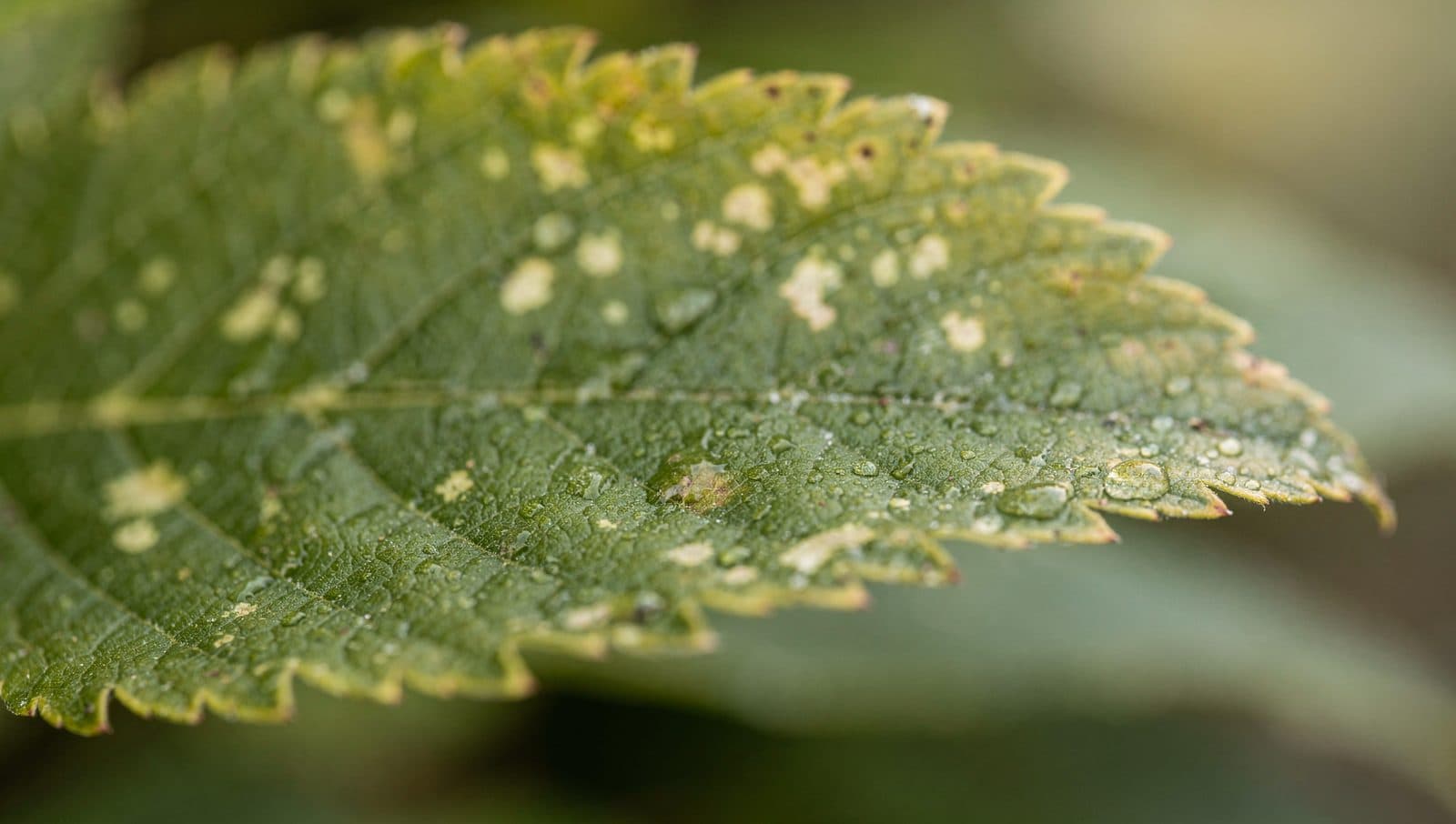
Can Overwatering Make Leaves Unhealthy?
Yes — overwatering is one of the most common causes of unhealthy-looking leaves: yellowing, wilting, drooping, and premature drop can all trace back to soggy soil suffocating the roots.
At a glance
- The verdict: Yes — a watering habit, not a bug
- Who fixes it: You
- Category: Leaf-Symptom Diagnosis (pest vs disease vs care)
The short answer
Yes, and it's honestly one of the single most common causes of unhealthy-looking foliage. Waterlogged soil pushes air out of the spaces around roots, and roots need oxygen just as much as they need water — without it, they can't function properly or take up nutrients, which paradoxically produces symptoms (yellowing, wilting, drooping) that look a lot like a plant that's too dry. Left uncorrected, chronically wet soil also sets the stage for root and crown rot, a genuine disease that follows from the cultural mistake. The fix is almost always in the homeowner's hands: adjust the watering schedule and check the drainage.
Pest, disease, or how you're caring for it?
Most leaf problems aren't pests at all. Here's the honest split — the most likely cause, the less likely ones, and how to tell them apart before you treat anything.
- Care / environmentMost likelythe usual cause
Yellowing (often starting on lower/older leaves), wilting or drooping despite moist soil, and general lackluster growth on a plant that's watered frequently or sits in a pot without drainage.
Waterlogged soilPots without drainage holesWatering on a fixed schedule regardless of how dry the soil actually isHeavy, poorly draining potting mix or garden soilThe tell:The soil is consistently soggy or heavy when checked with a finger a couple inches down, and the plant looks wilted or unhappy despite that moisture.
- Diseasea less common cause
Mushy, discolored, foul-smelling roots when the plant is unpotted or dug up; blackened stem base; leaves that continue declining even after watering is corrected.
Root rot (Pythium, Phytophthora)Crown rotThe tell:Check the roots directly — firm and white/tan is healthy; soft, brown or black, and smelly means rot has already set in.
- Pesta rare cause
Tiny flies hovering near the soil surface, more of a nuisance than a plant-health threat.
Fungus gnats, which breed in consistently wet potting mediaThe tell:Small flies rising from the soil surface when disturbed, with larvae visible in the top layer of wet media.
Check the soil moisture first — if it's consistently damp or heavy and the plant still looks unwell, overwatering is the likely driver. If correcting the watering schedule doesn't help within a couple of weeks, unpot the plant (or dig near the root zone) and check for mushy, foul-smelling roots, which points to rot that's already set in and needs more than a watering fix.
Overwatering and root rot are closely linked in practice — chronic overwatering is usually what creates the soggy conditions that let rot pathogens take hold in the first place, so the cultural mistake and the disease outcome often travel together.
Who actually fixes this?
Start here
You
Adjusting a watering schedule and improving drainage is entirely within a plant owner's control and is the correct first step in nearly every overwatering case.
- Garden center — The pot or soil itself is the problem — a garden center can recommend a better-draining potting mix or a pot with proper drainage holes.
- UNH Extension — You've corrected watering but the plant keeps declining, or the roots look mushy and discolored when checked — that's a root-rot question worth a diagnostic opinion.
The details, straight
The mechanism: why 'too much water' actually starves the plant
It sounds counterintuitive, but overwatering doesn't drown a plant so much as suffocate it. Soil naturally contains air pockets that roots rely on for oxygen, and when soil stays saturated, water fills those spaces and pushes the air out. Roots that can't get oxygen can't function properly — they lose the ability to take up water and nutrients efficiently, which is exactly why an overwatered plant can show the same wilting and yellowing as an underwatered one. The plant isn't short on water in the soil; its roots simply can't use what's there.
What unhealthy leaves from overwatering actually look like
The most common signs are yellowing (often starting on the lower, older leaves), wilting or drooping despite visibly moist soil, soft or mushy new growth, and in more advanced cases, leaf drop. Because these symptoms overlap so closely with underwatering, the soil itself — not the leaves — is the more reliable diagnostic clue: press a finger an inch or two into the soil, and if it's consistently damp, heavy, or waterlogged rather than drying out between waterings, overwatering is the more likely explanation.
How overwatering opens the door to root rot
Chronically saturated soil doesn't just deprive roots of oxygen — it also creates ideal conditions for water-mold pathogens like Pythium and Phytophthora, which cause root and crown rot. Once rot sets in, the damage compounds: rotted roots can take up even less water and nutrients than merely oxygen-starved ones, and the decline can continue even after watering is corrected. This is the point where the cultural mistake has become a genuine disease problem, and it's worth unpotting the plant or gently digging near the root zone to check for mushy, discolored, foul-smelling roots rather than continuing to guess.
The fix, in practical terms
Water based on the soil's actual dryness rather than a fixed calendar schedule — check with a finger before watering again. Make sure pots have functional drainage holes and that garden beds or containers aren't sitting in standing water. If the potting mix itself stays wet for days after watering, a heavier, poorly draining mix may be part of the problem, and a garden center can recommend a better-draining alternative. If roots already show rot, trimming away the affected roots and repotting into fresh, well-draining media gives the plant its best chance to recover.
Key takeaways
- Yes — overwatering is a genuinely common cause of yellowing, wilting, drooping, and leaf drop, not just underwatering.
- The mechanism is oxygen starvation at the roots, not literal drowning — waterlogged soil pushes out the air roots need to function.
- Symptoms overlap heavily with underwatering, so checking soil moisture directly is more reliable than reading the leaves alone.
- Chronic overwatering sets up root and crown rot — a genuine disease that follows from the cultural mistake.
- The fix is almost always homeowner-level: water based on soil dryness, ensure real drainage, and check roots if decline continues after adjusting.
Check the soil before you check anything else
Overwatering and underwatering can look identical on the leaves — the soil moisture is the tell that actually settles it.
See the full pest-vs-disease triageA note for New Hampshire gardeners
Both houseplants over a New Hampshire winter (lower light, slower water use) and garden beds after a wet New England stretch are common settings for overwatering-related leaf problems. UNH Cooperative Extension's Ask UNH Extension Infoline (1-877-EXT-GROW) is a free resource if a plant keeps declining after you've corrected the watering and you suspect root rot has set in. Anchor Pest Services focuses on the structural and yard pests around your home, not plant watering habits, but we're glad to point you toward the right resource.
NH-licensed applicator #782664 (NHDAMF, RSA 430) · NEPMA member · family-owned since 2017.
Related questions
Sources(2)
- [1]UC Master Gardeners San Luis Obispo County — Yellow Citrus Leaves
Overwatering as a common cause of yellowing and root dysfunction
extensionverified 2026-07-14 - [2]Iowa State University Extension — Diagnosing Houseplant Problems from Improper Environmental Conditions
Overwatering and drainage-related houseplant decline symptoms
extensionverified 2026-07-14
Written & reviewed by
VerifiedDaniel Brady
NH-Licensed Pesticide Applicator · License #782664 (NHDAMF, RSA 430)
Daniel Brady is the New Hampshire–licensed applicator behind Anchor Pest Services, a family-owned pest control company serving the Manchester area since 2017.
Last updated 2026-07-14
Your next question
Honest pest help for New Hampshire homes
Watering Habits Are Plant Care — Your Home Is Our Job
Correcting an overwatering habit is horticulture, not pest control, and we'll say so plainly. Where Anchor Pest Services genuinely helps is the pests around your home — rodents, ants, ticks, and moisture pests drawn to leaf litter and debris against the foundation. Family-owned since 2017, NH license #782664, serving Manchester, Nashua, Concord and nearby towns.
- We say when it's a watering habit, not a pest — no unnecessary treatment
- Licensed and insured in New Hampshire (#782664) — free, honest quote
- Manchester-area and central New Hampshire structural and yard pest control
NH License #782664 · No obligation · We answer in person
Your next step
- Related guide
Why Do Leaves Turn Black After Watering?
Read the answer - Related guide
Are Yellowing Leaves Always a Disease?
Read the answer - Related guide
Why Are My Leaves Curling or Wilting?
Read the answer - Related guide
How Can I Keep Leaves from Attracting Bugs Again?
Read the answer - Related guide
Why Are the Leaves on My Plants Turning Yellow?
Read the answer